Show summary Hide summary
Two days after Diwali, many Hindus across India and in diaspora communities assemble a very different kind of peak: a layered pile of food set before the deity. Known as the Annakut, this mountain of offerings commemorates the moment Krishna is said to have lifted Govardhan hill to shelter the people and animals of Braj—an observance that affects temple timetables, pilgrim plans and community kitchens each year. In 2026 the festival chiefly falls on Tuesday, November 10, but variations in regional calendars mean pilgrims should check local schedules before travelling.
When to observe in 2026
The festival is observed on the Pratipada (first day) of the bright half of Kartik. For New Delhi, the Pratipada tithi begins around 12:31 PM on 9 November and ends roughly 2:00 PM on 10 November, so communities divide between the two civil dates.
Govardhan Puja 2026: Annakut draws pilgrims as parikrama and special darshans kick off
Diwali: crucial updates on travel, markets and celebrations

Most North Indian temples and calendars will hold the main ceremonies on Tuesday, November 10, 2026. A minority of institutions, including some Pushtimarg centres, follow their own panchang and observed key rituals on Monday, November 9. If you plan to visit a shrine, confirm its timetable in advance.
The principal morning puja window in Delhi this year runs approximately from 6:40 AM to 8:50 AM, while large Annakut darshans are commonly scheduled at night after cooking is completed and the offering is displayed.
Why the hill matters
The event draws its meaning from the Bhagavata Purana: when Indra sent a destructive storm after villagers stopped making offerings to him, Krishna lifted Govardhan hill on his little finger and sheltered the entire region for seven days. The narrative became a lesson in recognising the immediate sources of livelihood—the land, the cattle and the local community—rather than praising distant, abstract powers.
In popular devotion the hill itself is treated as a living presence of the deity: pilgrims perform a clockwise circuit rather than climbing the ridge, and they offer food and respect to the land as an embodiment of divine sustenance.
What happens during an Annakut?
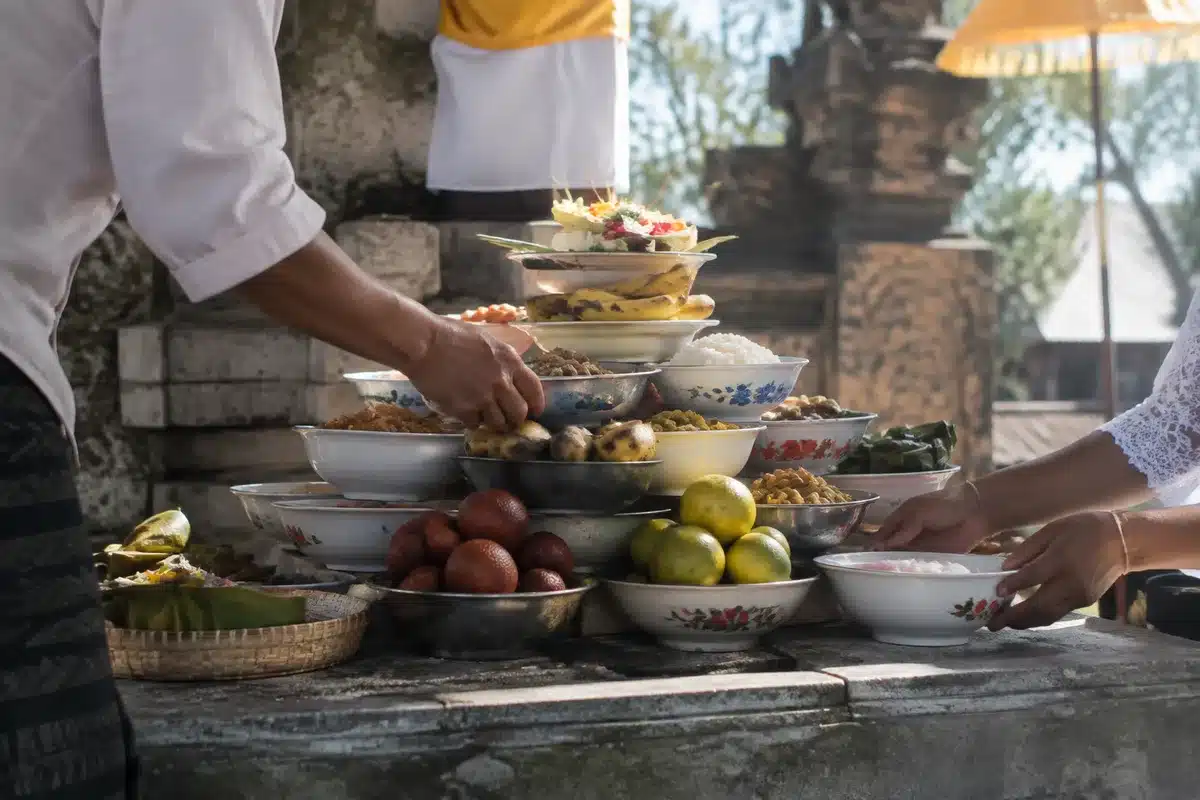
Temples prepare a multi-tiered display of cooked items—rice, lentils, vegetables, milk sweets and savouries—arranged in rising layers in front of the idol. The classic ritual count is the chhapan bhog, the fifty-six distinct dishes traditionally offered together.
After the darshan the food becomes prasad and is distributed freely. In large centres the scale can be immense: some shrines lay out tonnes of rice and hundreds of dishes, and centuries-old local customs—such as the Pushtimarg loot at Nathdwara, where members of the Bhil community carry portions of the offering in a ritual transfer—remain part of the night.
- Practical timing: Morning pujas are the primary window; major Annakut displays and distribution usually happen in the evening.
- Temple checks: Confirm whether a shrine follows the November 9 or November 10 observance.
- For visitors: Expect large crowds after sunset; arrive early for darshan and follow local queueing rules.
- Food sharing: Most offerings are given away free as prasad—bring a bag if you want to carry portions home.
Walking the hill: the Govardhan parikrama
For many pilgrims Govardhan Puja includes the parikrama, a clockwise circumambulation of the rocky ridge beside Govardhan town. The standard route extends about 21 kilometres—traditionally seven kos—and is a popular, often crowded pilgrimage on the festival day.
The customary start point is Mansi Ganga kund; the route passes the Danghati shrine at Jatipura, Poonchri Kalotha near the ridge’s tail, and returns along the opposite side by Kusum Sarovar and the tanks of Radha Kund and Shyam Kund before closing at Mansi Ganga. Walkers are advised to begin before dawn to avoid heat, carry drinking water and keep the hill to their right. Many go barefoot or perform the route with prostrations over several days (dandavat); others walk in shoes—the path is open to all and requires no permit.
For pilgrims with more time, the parikrama can be part of a longer Braj yatra: the full 84-kos circuit through the region amounts to about 252 kilometres and includes Govardhan as one of its sacred sites.
Major centres and global observance
Vrindavan and Mathura treat the day as a focal point of annual devotion. In Vrindavan, temples like Sri Krishna Balaram Mandir sustain kirtan and special bhog through the day; in Mathura the observances spread across the Janmasthan complex and nearby shrines. Govardhan hill itself is within reach for those who wish to combine darshan with the parikrama.
Nathdwara in Rajasthan—home to the Shrinathji image that famously depicts Krishna holding up the hill—hosts one of the year’s most elaborate Annakuts. In 2026 the temple followed its own calendar and carried out early-morning Mangala darshan, the main Govardhan puja late in the afternoon and a public Annakut viewing after nightfall, concluding its ceremonial sequence with the traditional loot later in the evening. Timings vary by year and by crowd size, so pilgrims should consult the temple’s announcements before travelling.
In New Delhi, ISKCON and Swaminarayan communities stage major gatherings; the celebration has also spread worldwide through temples in cities from Sydney to London and New York, where kirtan, Govardhan worship and communal vegetarian feasts recreate the spirit of Braj far from its geography.
Keeping Govardhan Puja at home
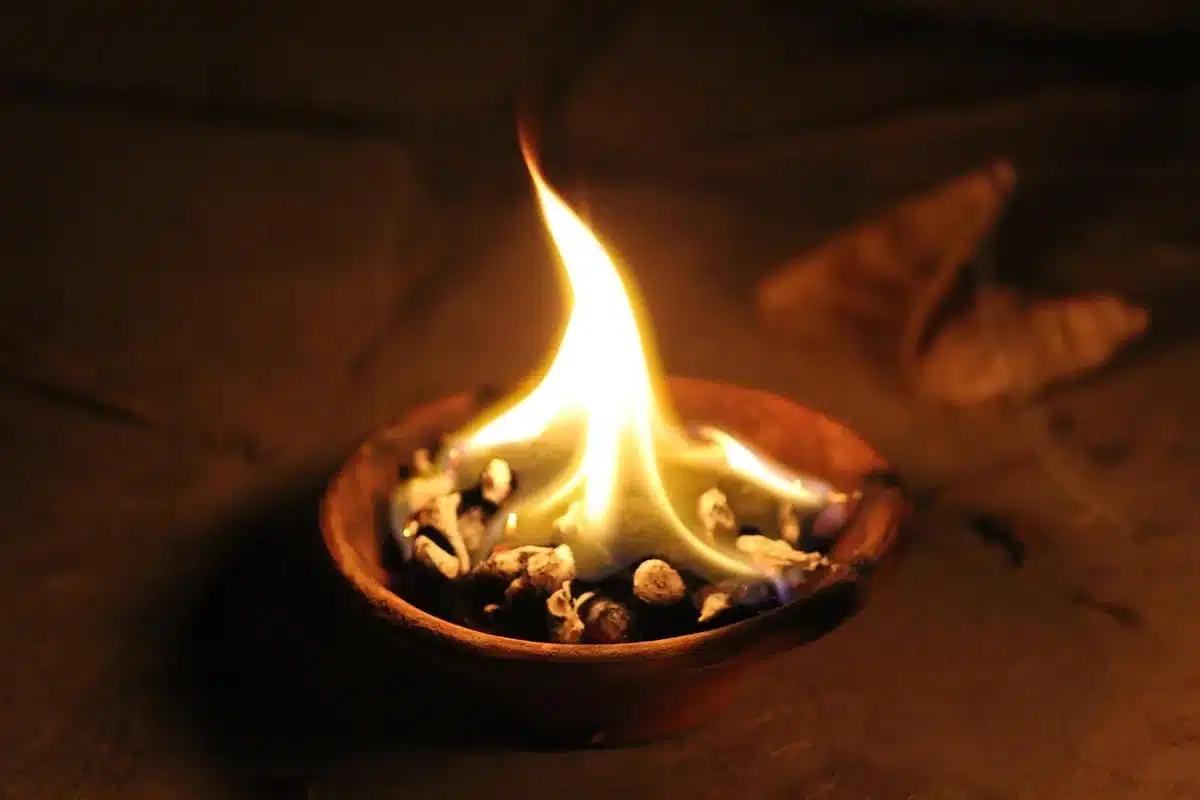
Domestic observance is straightforward. Families form a small mound—often of rice or sweets—to represent the hill, decorate it with flowers, light a lamp and perform an evening puja. The food offered is shared as prasad. In rural and sattvic households cows and calves may be bathed and adorned, receiving special feed in remembrance of Krishna’s protection of cattle. Many households also recite or listen to the Govardhan episode from the Bhagavata Purana.
Common questions
Which date is correct, November 9 or November 10? Both dates can be correct depending on the panchang a temple or family follows. For practical planning, check the shrine’s posted schedule.
What is chhapan bhog? It is the traditional set of fifty-six food preparations presented together as the Annakut offering—an emblematic gesture tied to the story’s detail of Krishna’s fast during the storm.
Is the parikrama open to everyone? Yes. The 21 km circuit is accessible without tickets. Walkers should prepare with water, appropriate footwear (or plan for barefoot walking) and modest clothing; devotees customarily keep the hill on their right.
How does Govardhan Puja relate to Bali Pratipada and Gujarat’s new year? The three observances fall on the same calendar day but mark distinct traditions: Govardhan Puja commemorates Krishna’s sheltering of Braj; Bali Pratipada honors King Bali and Vishnu’s Vamana avatar; and Bestu Varas marks the Gujarati new year. Many families observe more than one of these commemorations.
Whether at a crowded temple, walking the ancient ridge or marking the day at home, Govardhan Puja remains a moment to acknowledge the local sources of life—land, cattle and shared food—through ritual, community and the longstanding narratival memory of Braj.