Show summary Hide summary
Diwali in 2026 falls across the first ten days of November, and the festival’s five distinct occasions matter now for everything from travel and shopping to scheduling family pujas and account closings. Below is a concise, practical guide to the five days—what each commemorates, how many communities observe it, and the actions households typically take—plus a reminder to check local muhurat timings before making plans.
- Day 1 — Dhanteras: Friday, 6 November 2026
- Day 2 — Naraka Chaturdashi (Chhoti Diwali): Saturday, 7 November 2026
- Day 3 — Lakshmi Puja (main Diwali night): Sunday, 8 November 2026
- Day 4 — Govardhan Puja (and Gujarati New Year / Bestu Varas): Monday, 9 November 2026
- Day 5 — Bhai Dooj: Tuesday, 10 November 2026
Supreme Court quota decision: BJP says it exposes opposition’s vote-bank tactics
Didgeridoo and sitar electrify Purana Qila: Indigenous Australia meets Indian classical
| Date | Festival | Core observance |
|---|---|---|
| 6 Nov 2026 | Dhanteras | Buying metal items, house cleaning, lamps for protection |
| 7 Nov 2026 | Naraka Chaturdashi | Pre-dawn oil bath, lighting lamps, sharing sweets |
| 8 Nov 2026 | Lakshmi Puja | Evening puja to Lakshmi and Ganesha, rangoli, fireworks |
| 9 Nov 2026 | Govardhan Puja | Offering Annakut, symbolic Govardhan hill; Gujarati New Year |
| 10 Nov 2026 | Bhai Dooj | Siblings’ rituals: tilak, aarti, gift-giving |
Dhanteras — welcoming abundance, practically
Traditionally the season opens with a day devoted to health and prosperity. Families often purchase a piece of metal—utensils, silver, or jewelry—not as mere commerce but as a symbolic new vessel of fortune. Homes are swept and cleared, and small lamps are placed to invoke protection against loss.
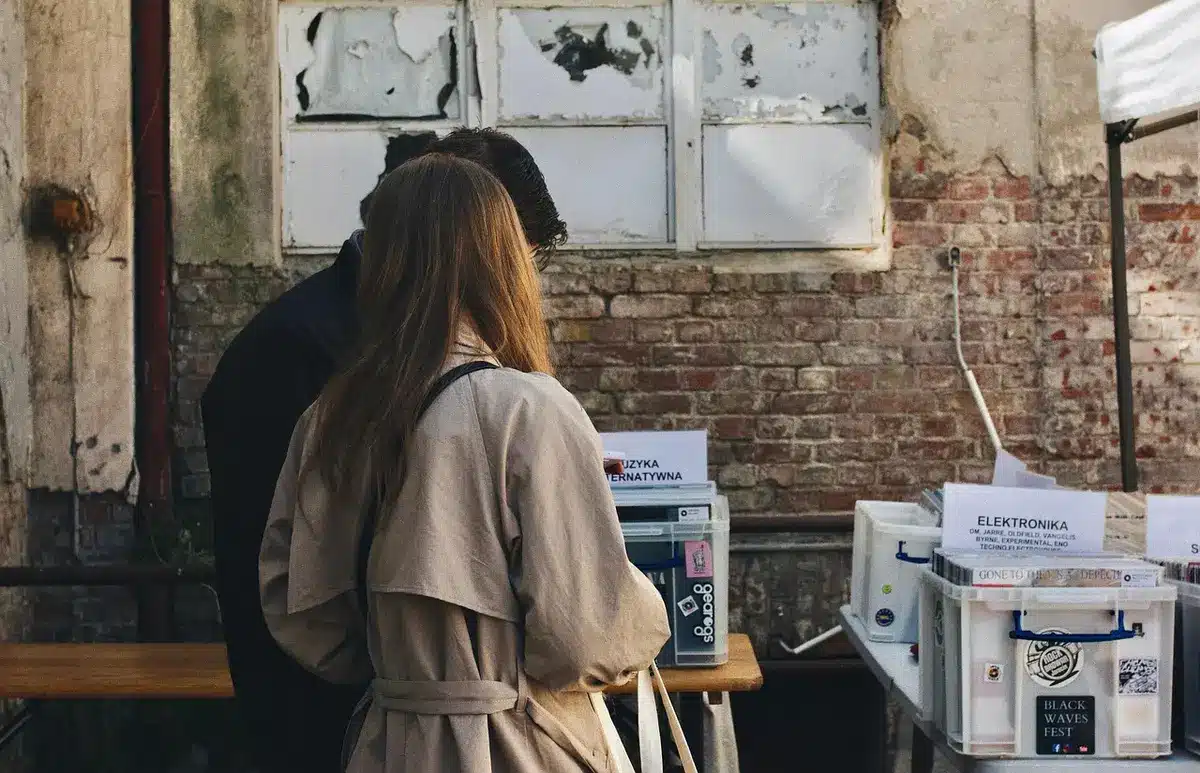
Practical note: banks, jewelers and markets become busier on this day; if you plan to buy precious items or book services, expect crowds and advance demand.
Naraka Chaturdashi — a dawn ritual
The second day commemorates the defeat of the demon Narakasura in many regional narratives. The most widespread custom is the early-morning oil massage and bath—an ablution performed before sunrise to signify renewal.
Short and immediate: homes are illuminated and sweets exchanged, often marking the first communal tasting of the season.
Lakshmi Puja — the festival’s focal evening
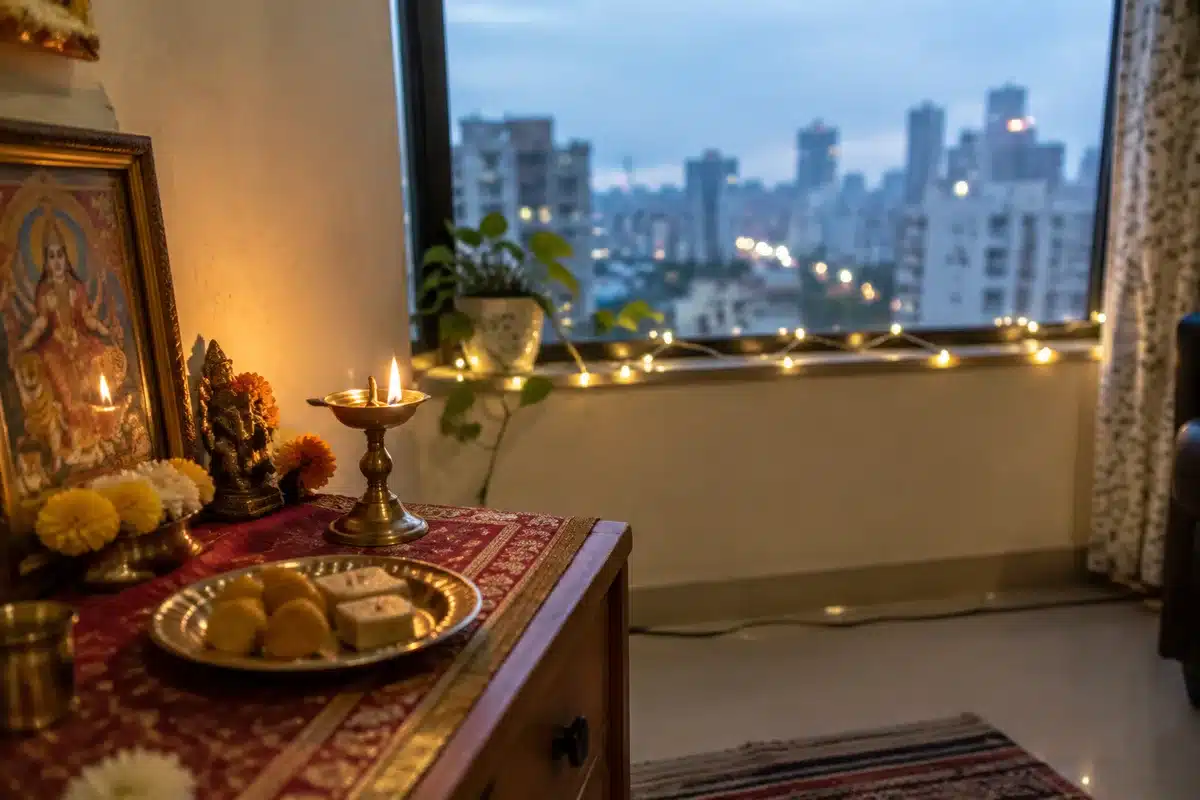
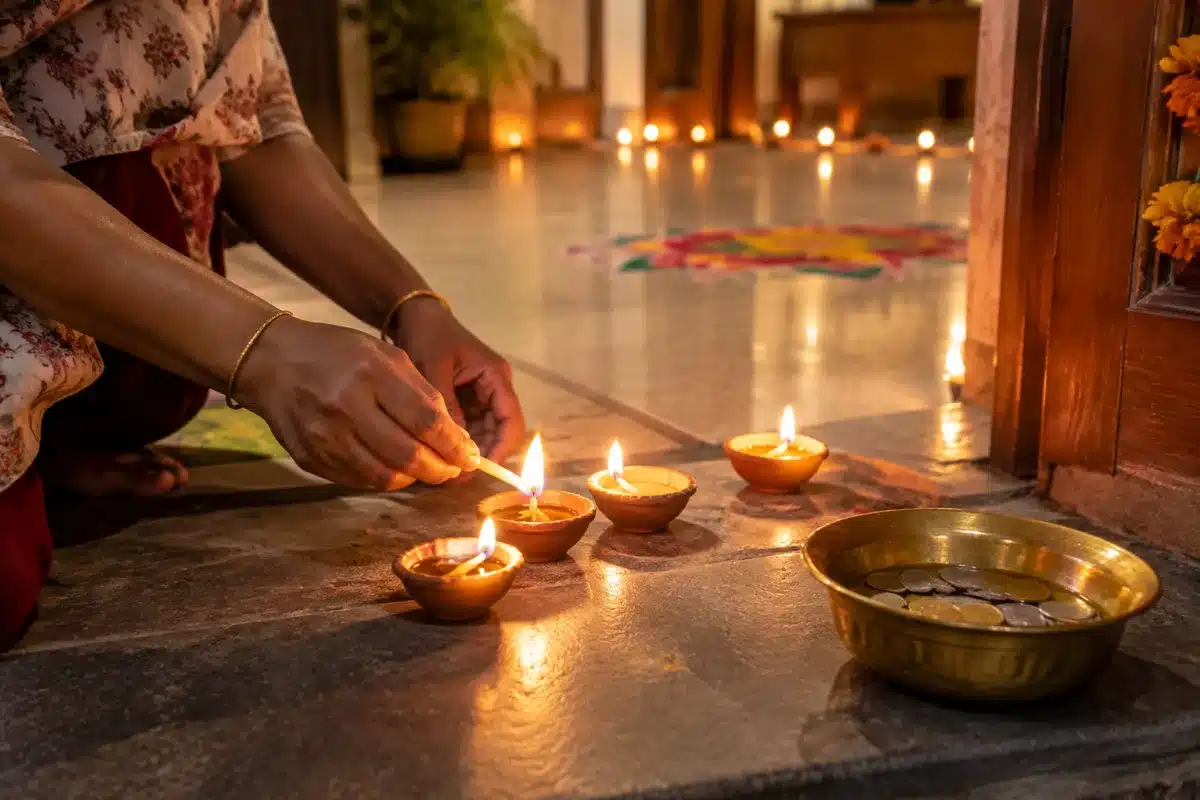
On the new-moon night of Kartik, households focus on the worship of Lakshmi, the goddess associated with wealth and auspiciousness, alongside Ganesha. This is the evening when doorways are decorated with rangoli, rows of diyas brighten windowsills, and many families close old account books and open new ones in a ritual of financial renewal.
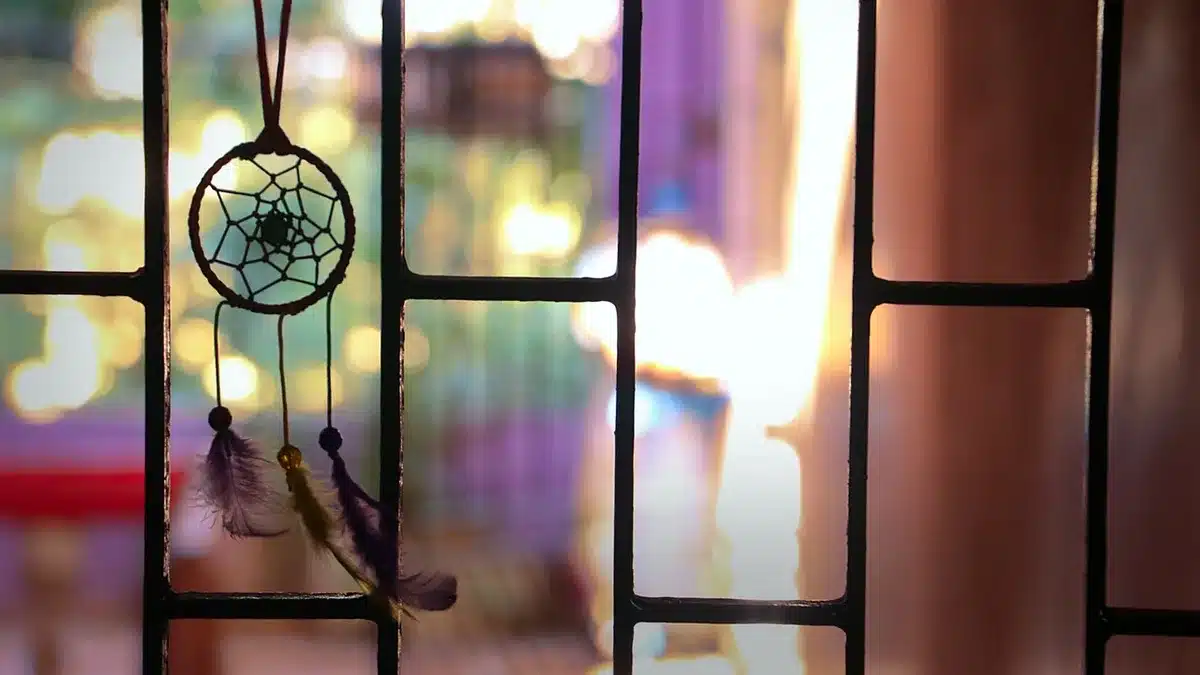
The observance combines private prayer with public display; in many urban centres, fireworks and community gatherings add to the atmosphere, but practices vary by region and family tradition.
Govardhan Puja — an offering to the earth
The day after Diwali recalls a story in which Krishna lifts the Govardhan hill to shelter local people and cattle from a storm. Devotees recreate the hill—often with food or cow dung—and prepare an Annakut, a large array of dishes offered and then shared as prasad. For Gujaratis, this day also marks the New Year (Bestu Varas).
It’s a moment to emphasize gratitude to nature and to communal sharing rather than private display.
Bhai Dooj — closing with family ties
The festival cycle ends with a day emphasizing sibling bonds. Sisters perform a short ritual—applying a tilak and offering a small aarti—and brothers reciprocate with gifts and pledges of care. The custom is widely observed across India with regional names and variations, often involving a shared meal that symbolically reinforces the social contract between siblings.
One continuous theme: across these five days the interplay of light, cleansing, financial accounting and family ties frames a larger rhythm: households renew physical spaces and social obligations in preparation for the coming year.
Before you set puja times or travel plans, check a trustworthy local panchang or temple muhurat: auspicious timings change with location and can affect when families perform key rites. For safety and convenience, if you plan to use fireworks or travel between events, book early and follow local advisories.