Show summary Hide summary
Diwali in 2026 stretches across five linked observances that shape shopping, travel and family plans for millions. Below are the dates for this year’s festival, a concise explanation of each day’s meaning and practical notes so readers can prepare—especially since regional muhurats and timings vary by city.
- Dhanteras — Friday, 6 November 2026
- Naraka Chaturdashi (Small Diwali) — Saturday, 7 November 2026
- Lakshmi Puja (Main Diwali Night) — Sunday, 8 November 2026
- Govardhan Puja — Monday, 9 November 2026 (also observed as Gujarati New Year / Bestu Varas)
- Bhai Dooj — Tuesday, 10 November 2026
Supreme Court quota decision: BJP says it exposes opposition’s vote-bank tactics
Didgeridoo and sitar electrify Purana Qila: Indigenous Australia meets Indian classical
Dhanteras: practical auspiciousness
Traditionally considered an invitation to prosperity, the first day is associated with the healer-god who emerged during the churning of the ocean. For many households it marks the start of Diwali preparations: deep cleaning, clearing out old items, and often the purchase of a new metal object—jewellery, kitchenware or coins—as a symbolic investment in the year ahead.
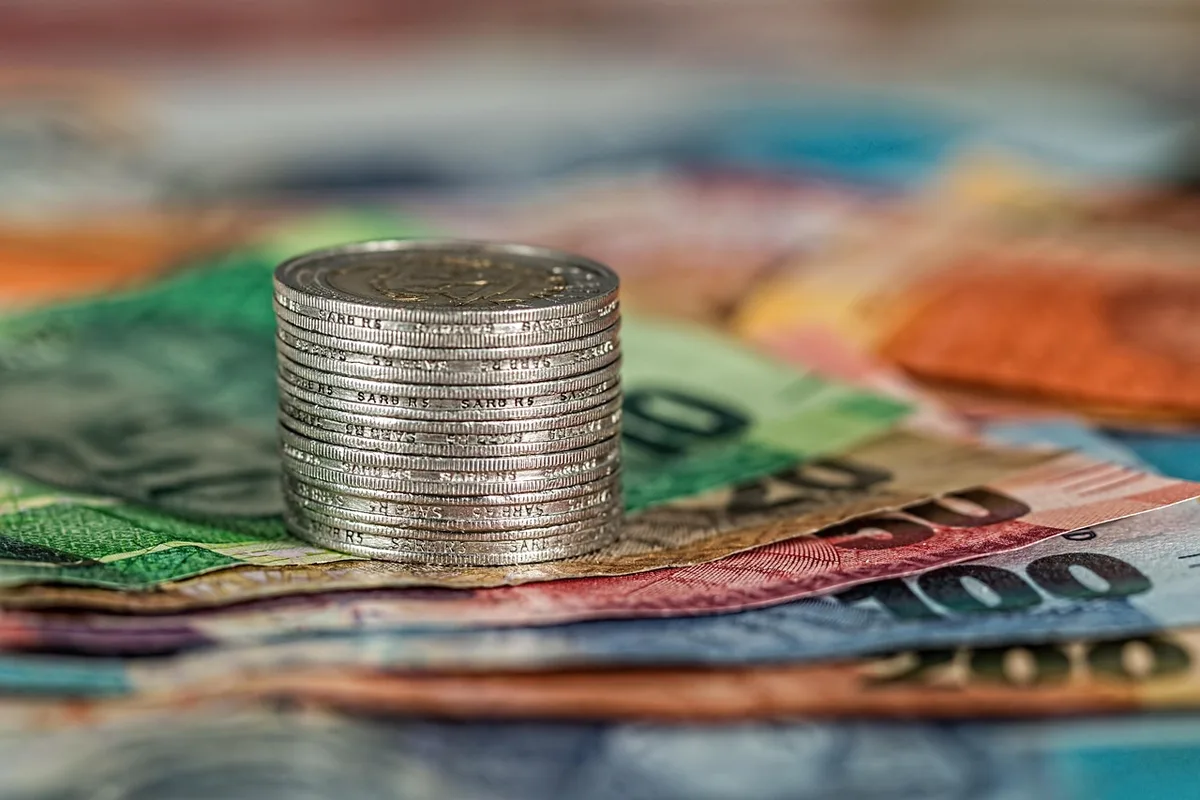
For shoppers: expect sales and crowds. For households: check the local *panchang* for the exact shopping and puja muhurat before scheduling purchases or rituals.
Naraka Chaturdashi: dawn purification
Known in some regions as “Small Diwali,” this morning ritual recalls the defeat of the demon Narakasura. The traditional practice is an early-morning oil massage followed by a warm bath, intended as a symbolic wash of negativity and fatigue.
It’s a short, focused day for household routines and quiet observance—many people also light small lamps to mark the ending of darkness before the main festival night.
Lakshmi Puja: the festival’s heart
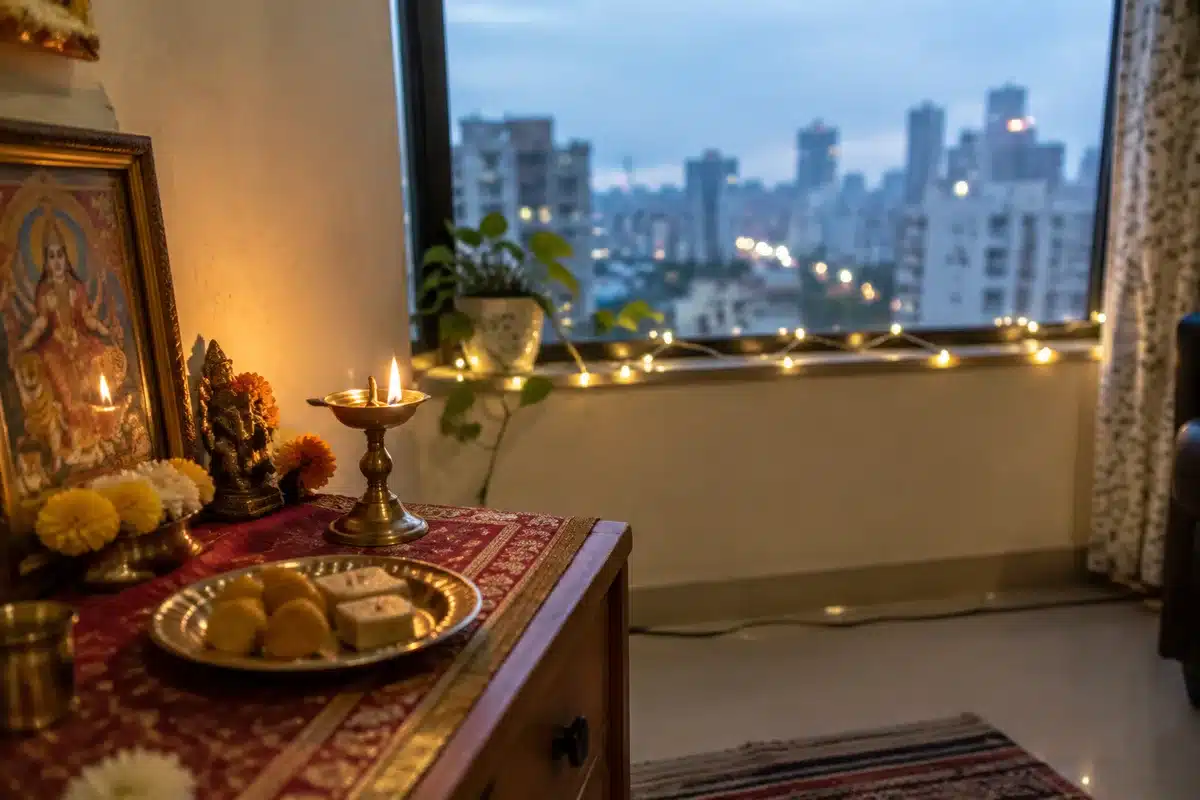
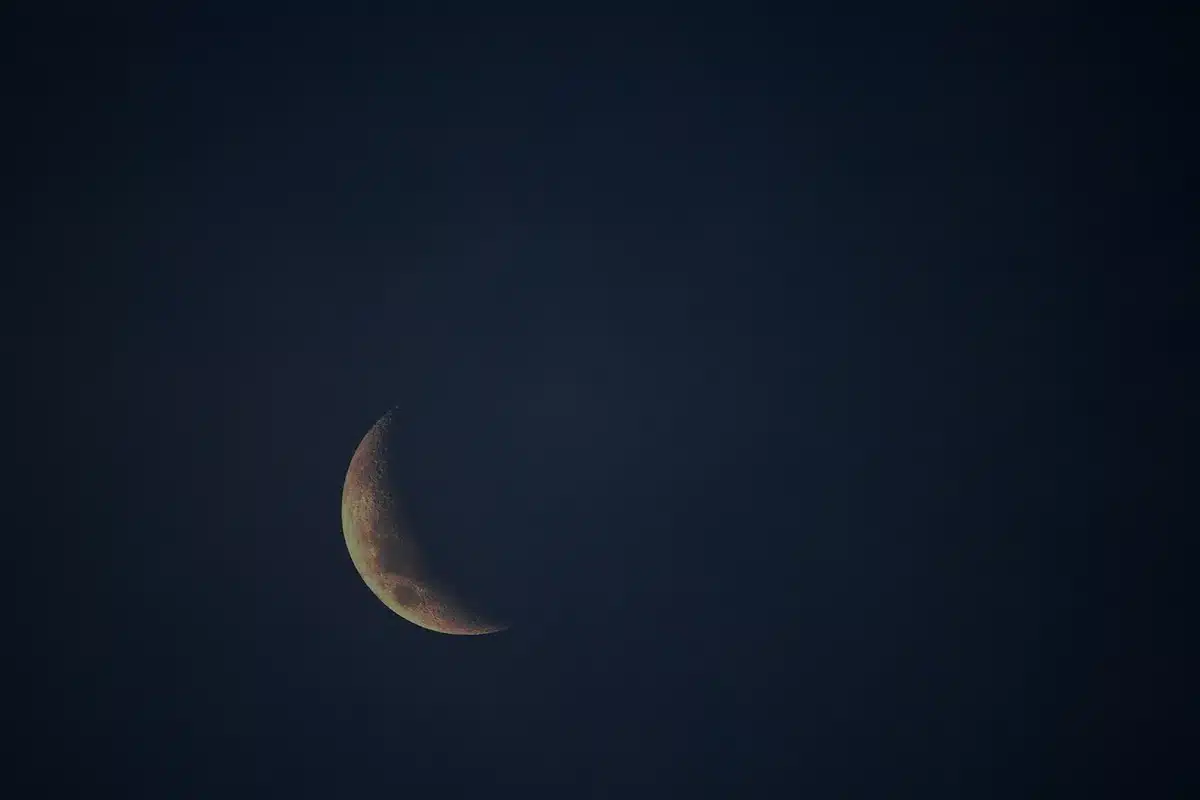
The central observance of Diwali falls on the new moon night of Kartik. Homes and shops are lit; windows and doorways are illuminated with lamps to welcome the goddess of wealth. Business communities often perform special prayers and update accounting books during or immediately after the puja.
Practical note: the most crowded moments are early evening through late night, when families gather to perform puja, exchange sweets and light lamps. If you plan to attend community events, allow extra travel time and confirm local puja timings—these differ by city and tradition.
Govardhan Puja: gratitude to nature
This day commemorates the episode in which Krishna lifted the Govardhan hill to shelter villagers from torrential rains. Observances emphasize food offerings and environmental gratitude.
Many temples and communities prepare anannakut—large variety platters of food offered to the deity and later distributed as prasadam. In parts of western India the day also serves as the civic New Year.
Bhai Dooj: the festival closes with family
Diwali concludes with a recognition of sibling bonds. Sisters apply a ceremonial mark to their brothers’ foreheads and offer prayers; brothers give gifts and pledge protection. It’s a domestic day of meals and family visits, and many families time long-distance travel around it.
What this means for readers now
- Plan purchases and large gatherings ahead of Dhanteras to avoid last-minute crowds.
- Confirm puja muhurats and local timings—ritual windows change by city and community.
- Expect heavier traffic and busy public spaces on Lakshmi Puja night and the days surrounding it.
- If you observe Govardhan Puja or regional New Year customs, check local temple programmes for annakut distribution or community meals.
Across these five days, the visible thread is renewal: household order, spiritual cleansing, welcoming prosperity, honoring nature and reaffirming family ties. Lamps and rituals provide the symbols; the practical implications affect shopping calendars, travel plans and communal gatherings.
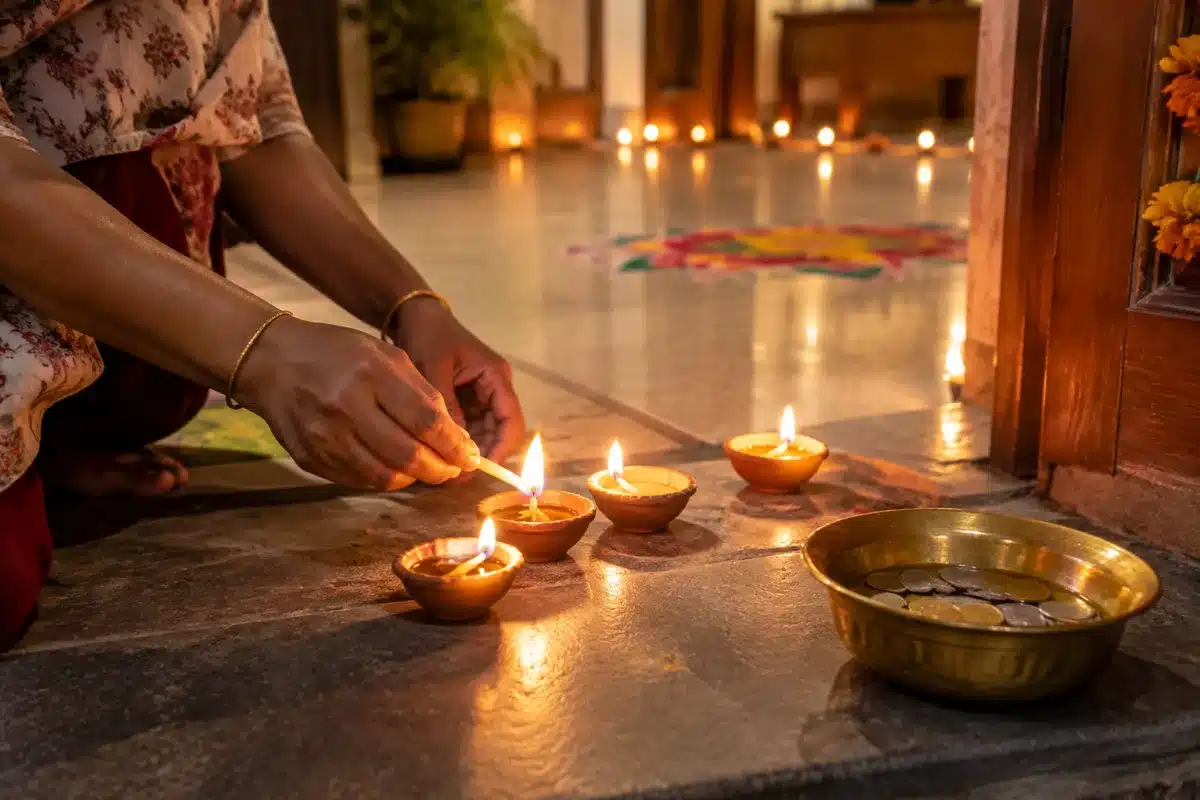
Photo: Diya (Wikimedia Commons, CC BY 2.0)