Show summary Hide summary
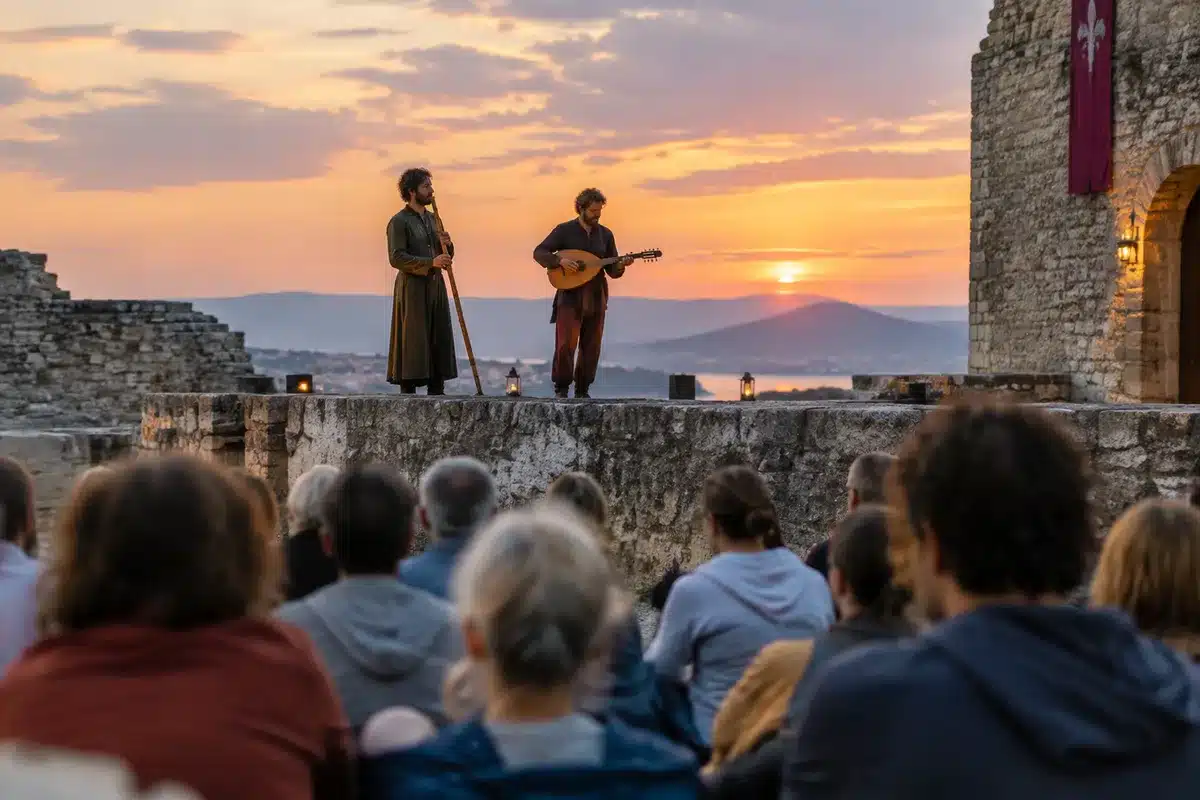
On Oct. 24, 2026, Purana Qila in Delhi hosted a rare musical encounter that fused two ancient sound worlds. The concert merged the deep drones of the Australian Indigenous instrument with the melodic contours of Indian classical music, signaling a fresh moment in cultural exchange between the two countries.
The event, billed as Sacred Pathways: Where Ragas Meet Songlines, brought together didgeridoo virtuoso William Barton and sitar player Shubhendra Rao. Australian High Commissioner Philip Green was present and framed the performance as an example of music’s ability to build bridges across traditions.
How the sounds met
At the heart of the evening was a meeting of musical logics rather than a simple mash-up. The sustained, rhythmic pulse of the didgeridoo created a textured, earthy foundation. Over that bed of sound, the sitar unfolded phrases drawn from classical Indian modes, adapting to the didgeridoo’s drone rather than overriding it.
Supreme Court quota decision: BJP says it exposes opposition’s vote-bank tactics
Didgeridoo and sitar electrify Purana Qila: Indigenous Australia meets Indian classical
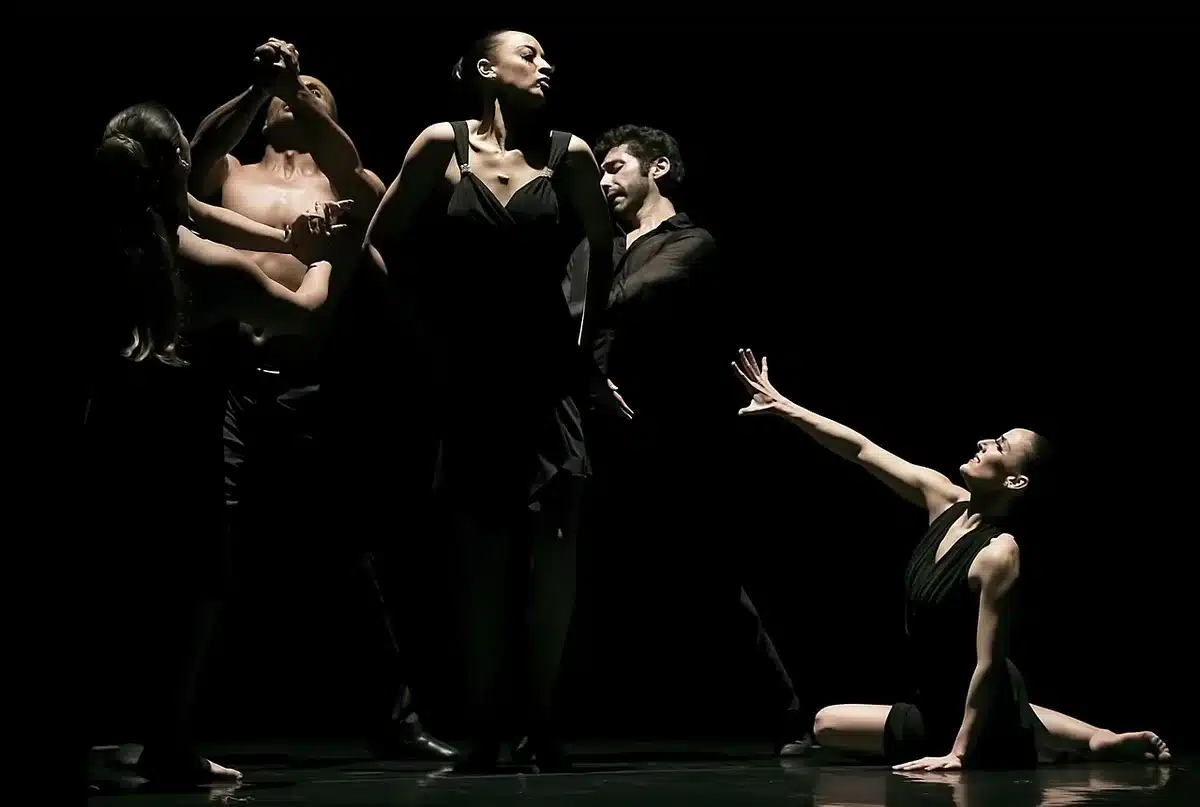
Musicians and listeners experienced moments where pattern and improvisation intertwined: the sitar’s ornamented lines echoed and responded to the drone, while rhythmic accents from the didgeridoo pushed the melodic flow into unexpected cadences. The result felt deliberate and exploratory, not merely decorative.
For audiences this kind of interplay opens new ways to hear both instruments—accentuating the meditative qualities of the sitar and drawing attention to the didgeridoo’s tonal range beyond its most familiar timbres.
Why it matters now
The concert is more than an aesthetic experiment. It arrives at a time when cultural diplomacy and collaborative arts projects are being used to strengthen ties and create shared public spaces. Events like this can reshape perceptions of tradition, showing how ancient practices remain dynamic when allowed to converse across borders.
- Event: Sacred Pathways: Where Ragas Meet Songlines
- Date and place: Oct. 24, 2026 — Purana Qila, Delhi
- Artists: William Barton (didgeridoo) and Shubhendra Rao (sitar)
- Significance: A model for cross-cultural music-making and cultural diplomacy
- Takeaway: Traditional instruments can create contemporary narratives without losing their roots
The performance also highlighted practical questions that often follow such collaborations: how to credit and preserve Indigenous knowledge, how to avoid tokenism, and how to design future projects that prioritize mutual respect. Organizers and participants in these dialogues must navigate history, power imbalances, and community expectations if such encounters are to be sustainable.
Local audiences appeared engaged, responding to both the familiar contours of raga and the unfamiliar, immersive drone. For some listeners the evening offered a rare chance to hear two living traditions adapt to one another in real time, revealing musical possibilities that neither tradition typically explores alone.
Beyond the concert hall, the meeting at Purana Qila suggests a modest but meaningful shift: intercultural collaborations are moving from one-off showcases toward thoughtful, ongoing exchanges that consider context and custodianship. That matters for policymakers and cultural institutions as they plan future partnerships.
As artists continue to experiment, the hope is that such projects will expand public awareness of the histories behind these instruments—of Indigenous Australian songlines and the centuries-old grammar of Indian ragas—while encouraging responsible, creative collaboration.