Show summary Hide summary
The India–Malaysia Cultural Festival, organised by India’s Art & Aesthetics Foundation (TAAF), recently convened young artists from three countries in a weeklong program across multiple venues in Malaysia. The event blended performances, exhibitions and skill-building sessions designed to deepen artistic ties and open new professional pathways for emerging creators.
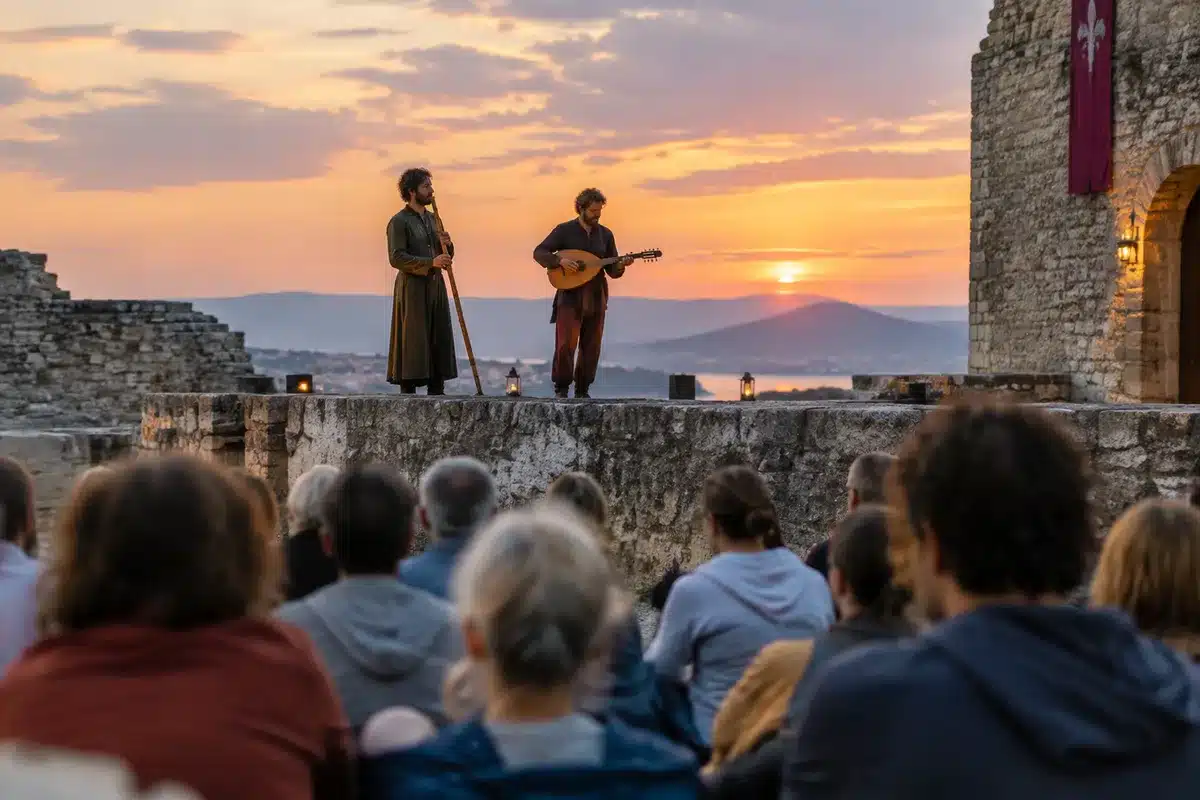
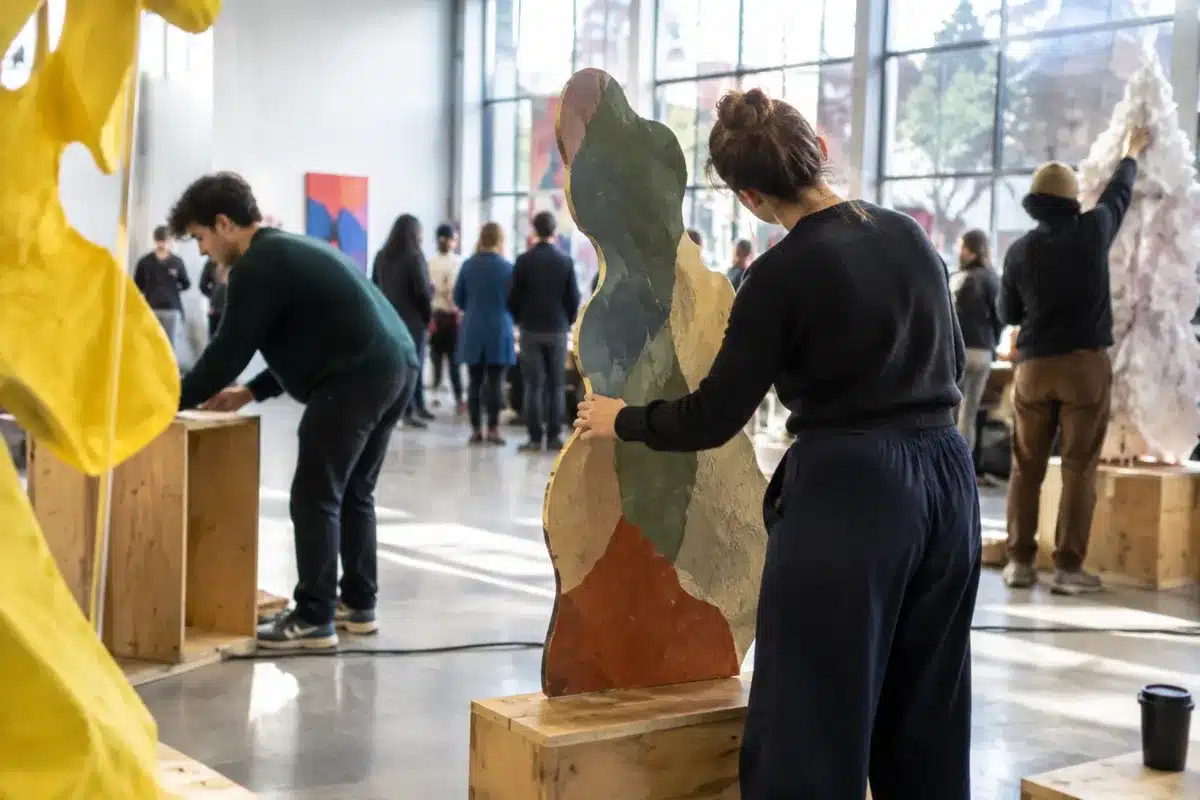
Performances ranged from contemporary music and classical dance to site-specific visual installations. Alongside public shows, the festival ran a series of intensive masterclasses and hands-on workshops aimed at early-career practitioners, students and community groups.
Supreme Court quota decision: BJP says it exposes opposition’s vote-bank tactics
Didgeridoo and sitar electrify Purana Qila: Indigenous Australia meets Indian classical
What the programme included
Organisers emphasised an equal mix of presentation and practical learning: audiences saw staged works while participants exchanged techniques, produced collaborative pieces and discussed the business side of creative careers. Events took place in theatres, galleries and community spaces, broadening the festival’s reach beyond conventional cultural centres.
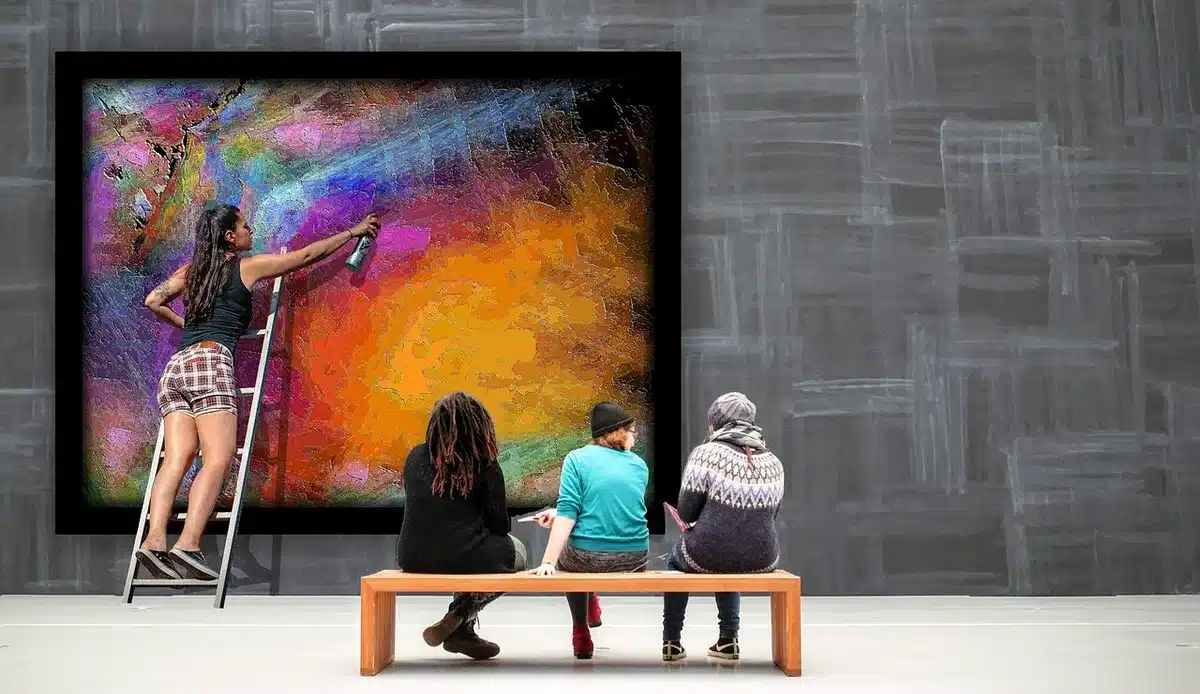
- Live performance — concerts and dance recitals showcasing cross-cultural repertoires.
- Visual arts — exhibitions and pop-up installations by emerging artists.
- Masterclasses — intensive sessions with established practitioners on craft and career development.
- Educational activities — school outreach, public talks and collaborative community projects.
Rather than a single headline act, the festival focused on sustained exchange: young creators collaborated on short works, shared portfolios in critique sessions and built networks intended to last beyond the festival dates.
| Program element | Primary purpose | Immediate outcome |
|---|---|---|
| Music & Dance | Showcase and repertoire exchange | New collaborative performances programmed in public venues |
| Visual Arts | Exhibitions and site-specific work | Increased visibility for participating artists |
| Masterclasses & Workshops | Skills transfer and professional development | Practical techniques and mentorship links |
| Educational Outreach | Community engagement and audience development | Local school and public participation |
Why this matters now
At a time when cultural diplomacy and creative economies are increasingly central to national strategies, festivals like this serve more than artistic ends. They create pathways for talent mobility, enable small-scale cultural exports, and support livelihoods in the creative sector.
For young artists, the practical benefits are concrete: mentorship, portfolio development, contacts with curators and potential presenters, and visibility in regional markets. For host communities, the festival offered fresh programming and opportunities to engage directly with creators from across borders.
Organisers framed the gathering as part of a continuing effort to build institutional links between cultural organisations in the region. If sustained, such exchanges can translate into touring opportunities, joint commissions and longer-term educational partnerships.
While the festival’s immediate footprint was artistic, its ripple effects touch tourism, cultural policy and the careers of the next generation of creators. For audiences and participants alike, the event underscored how sustained exchanges—rather than one-off shows—can strengthen cross-border cultural ecosystems.