Show summary Hide summary
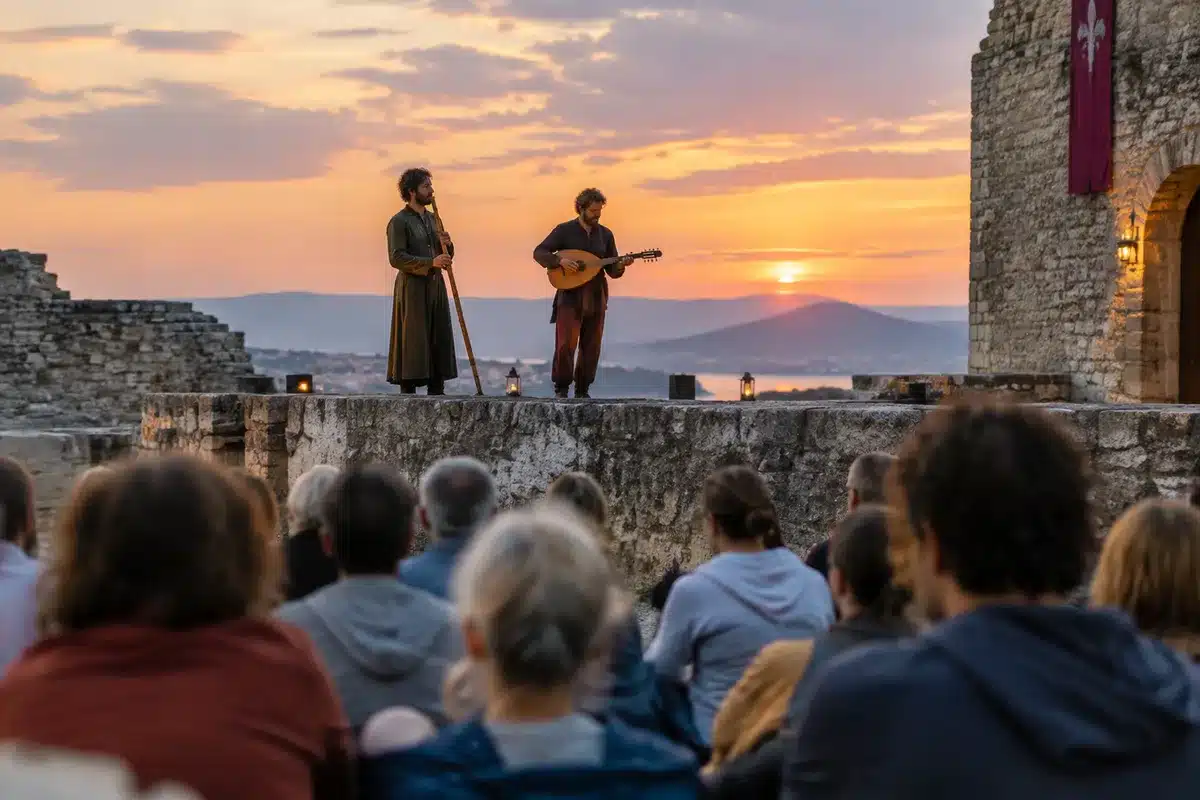
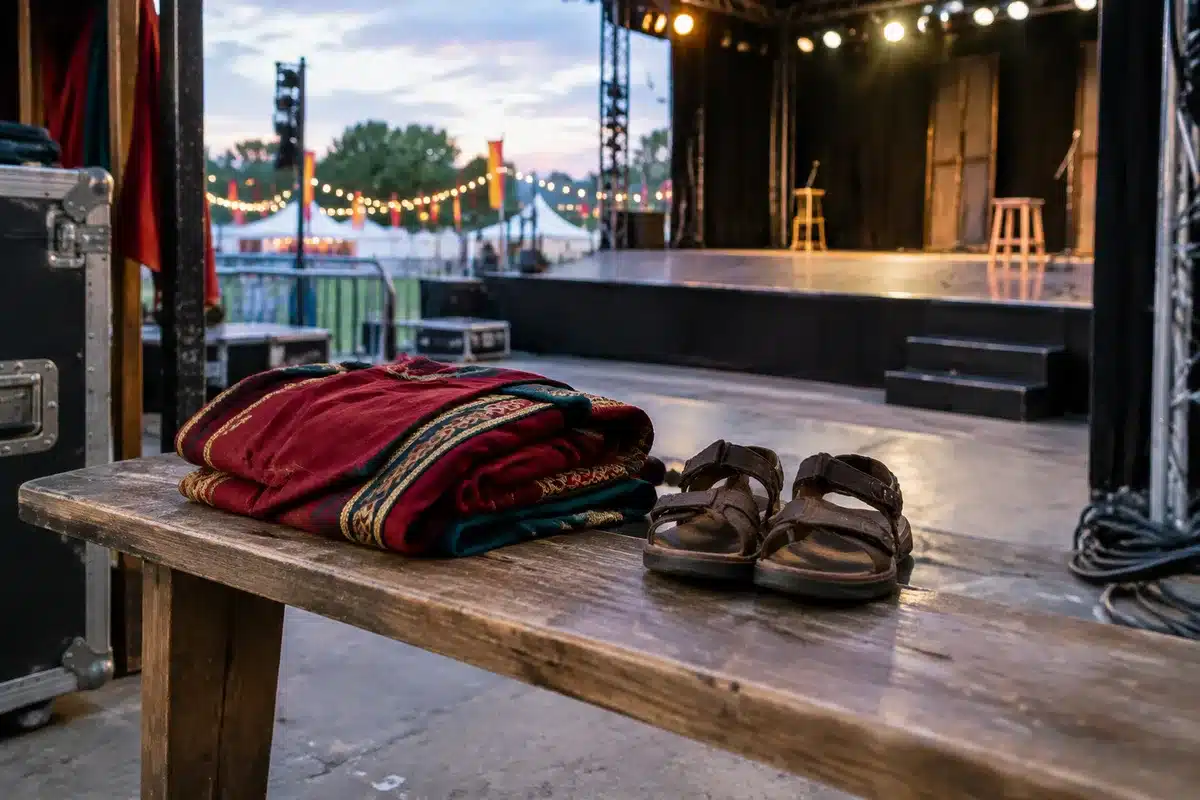
In Moscow this week, Russian and Indian performers joined members of the Indian diaspora to mark the 100th anniversary of Genadi Mikhailovich Pechnikov, the Soviet actor whose stage work introduced the Ramayana to many in Russia. The celebration highlighted an enduring cultural bridge between India and Russia, underscoring how theatrical exchange continues to shape people-to-people ties today.
The centenary program brought together actors, directors and cultural organisers linked to the Ramlila tradition. Several participants traced the lineage from Pechnikov’s early productions to the contemporary performances that now travel between Moscow and India’s temple town of Ayodhya.
Why the event matters now
Supreme Court quota decision: BJP says it exposes opposition’s vote-bank tactics
Didgeridoo and sitar electrify Purana Qila: Indigenous Australia meets Indian classical
The focus on Pechnikov’s century highlights more than nostalgia: it reflects renewed interest in artistic exchange as a form of soft diplomacy. Recent Ramlila stagings in Moscow — some drawing on motifs from Deepotsav and featuring Russian performers — have created new audiences for the Ramayana and helped sustain cultural programs linking the two countries.

Children’s theatre director Alla Leonidovna, who helped organise commemorative gatherings, said the festival play remains an effective way to communicate the values associated with Ram to diverse audiences. Tatyana Pechnikov, the actor’s daughter, described her father’s career as instrumental in familiarising Soviet and later Russian audiences with Indian epics by adapting them for the stage.
Russian performers at the event recounted their experiences staging productions in Ayodhya and participating in the city’s festivities. Organisers noted visible changes in Ayodhya in recent years, and several artists who have worked across both countries described growing collaboration and mutual interest.
Organisations and initiatives
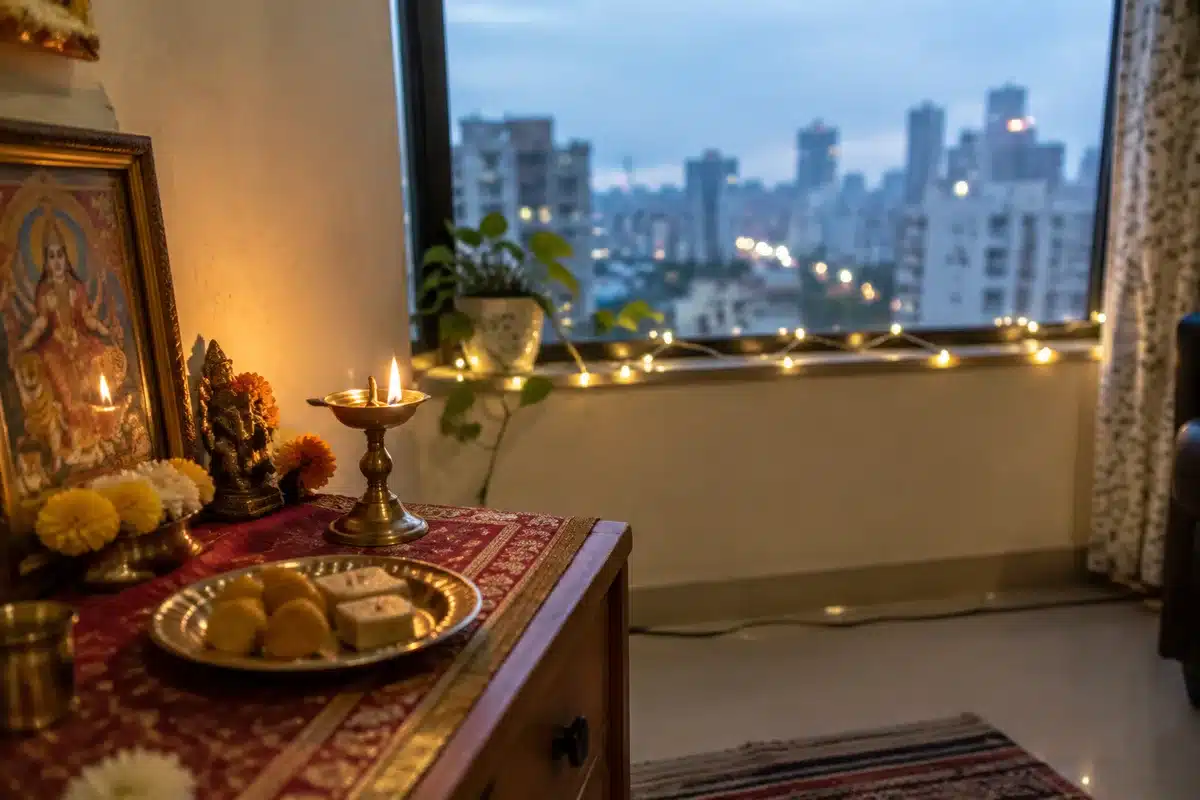
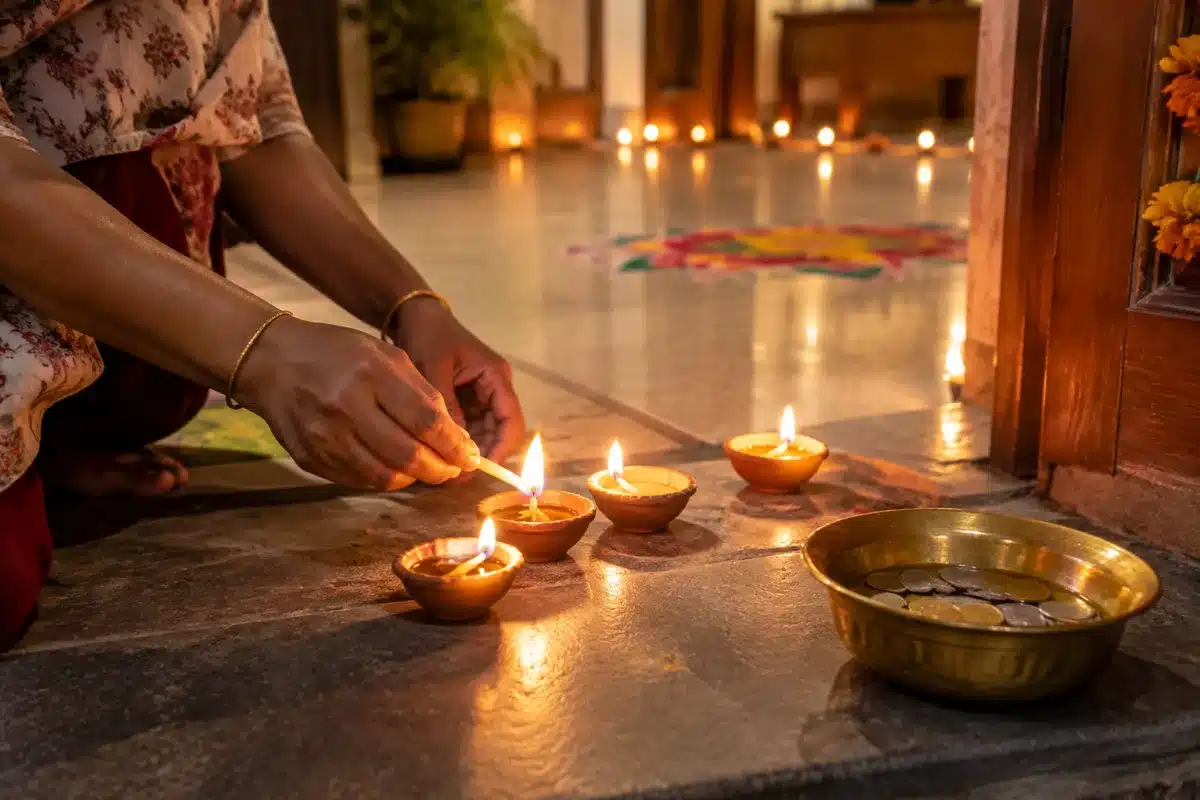
A local group known as Disha Ramlila has been active in promoting productions based on the Ramayana to Russian audiences. Members of that initiative have previously taken part in Ayodhya’s Deepotsav, performing scenes from the epic and strengthening grassroots cultural links through shared productions and exchanges.
- Greater cultural diplomacy: Theatre exchanges create informal channels for engagement beyond official diplomacy.
- New audiences: Stagings in Moscow introduce the Ramayana to Russian viewers while Indian organisers reach global diasporas.
- Artist mobility: Cross-border performances open opportunities for joint productions, residencies and training.
- Local impact in Ayodhya: Collaborations draw international attention to the city’s festivals and cultural calendar.
The commemoration followed several events held in Moscow in recent weeks, including an Ayodhya-inspired Ramlila earlier this year that incorporated Deepotsav themes and cast Russian actors in leading roles. A government spokesperson confirmed multiple presentations and discussions on the idea of Ramrajya were part of the program.
While the centenary was a tribute to a singular performer, organisers framed it as part of a longer story: the postwar cultural exchanges that brought the Ramayana to new stages and the contemporary networks that keep those stories alive. For cultural practitioners and audiences on both sides, the event reiterated a practical outcome—creative work that continues to invite collaboration and curiosity across borders.