Show summary Hide summary
A well‑known amateur actor was kept off the stage at a long‑running Dussehra production in Vadodara this year after protests over his faith, even as he won applause performing the same epic elsewhere. The decision has reopened questions about who gets to take part in shared cultural traditions and how organisers respond when political pressure mounts.
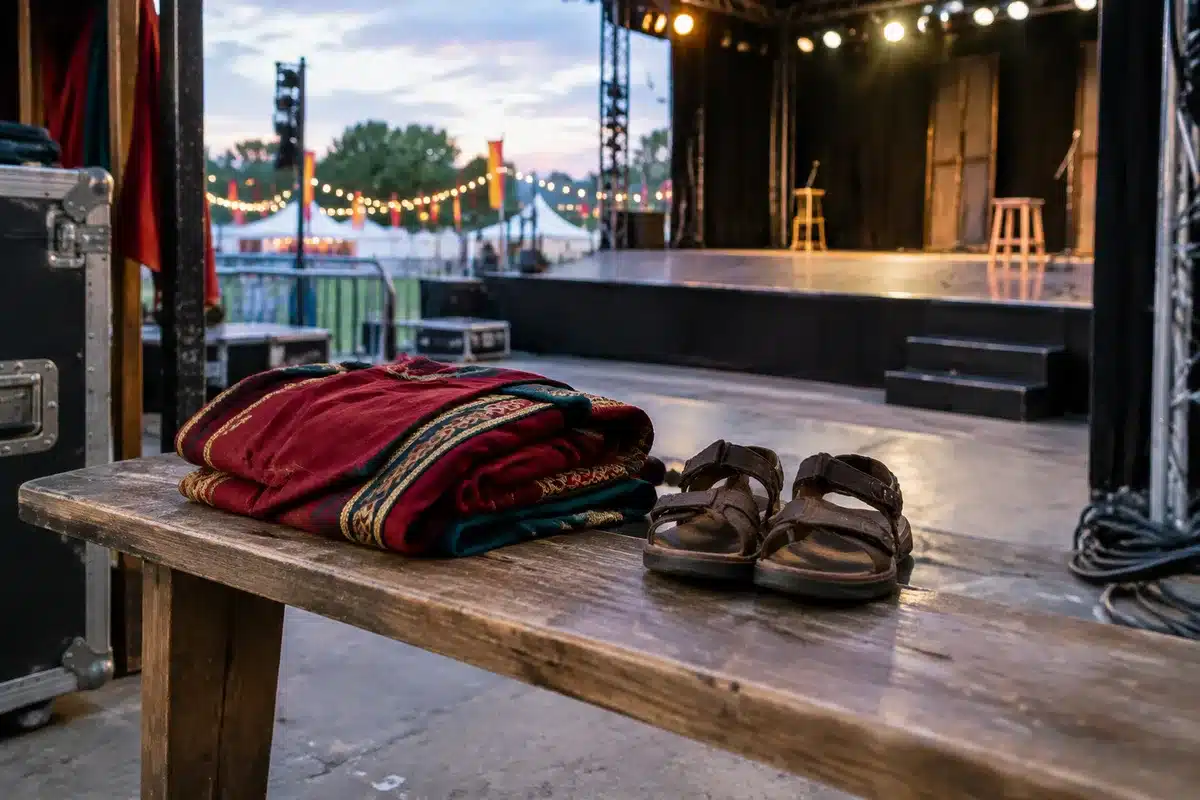
Abid Sheikh, 39, has been a regular in the annual Ram Leela staged at Polo Ground for nearly 14 years, memorising lines, rehearsing for weeks and winning local praise for roles including Laxman and Bharat. This year, however, organisers did not invite him to the Vadodara show after activists raised objections about his religion during last year’s rehearsals.
The contrast was striking: on Dussehra itself Sheikh performed to enthusiastic applause in tribal Chhota Udepur, playing Kevat and Meghnad, but was absent from the production he calls home.
Supreme Court quota decision: BJP says it exposes opposition’s vote-bank tactics
Didgeridoo and sitar electrify Purana Qila: Indigenous Australia meets Indian classical
From childhood fan to familiar face
Sheikh traces his attraction to the Ramayana back to a childhood cartoon that left him captivated by Laxman. School plays gave him early acting experience, and the festival became a family affair — his household observed ritual changes during rehearsal periods and the whole family supported his performances.

“The play had become part of my life,” Sheikh said, describing how the sudden protest last year left him stunned and disappointed when organisers bowed to pressure.
Organisers, activists and the fallout
The North India Cultural Association (NICA), which runs the Polo Ground Ram Leela, says the actor was defended by staff but that the management ultimately faced sustained pressure.
Shashikant Das, NICA’s director, praised Sheikh’s dedication to the epic and noted that Muslim artisans have long been involved in other festival tasks, such as building the giant effigies of Ravana, Meghnad and Kumbhakarna. He said last year’s protests were led by members of Bajrang Dal and that the episode cost the production a seasoned performer this season.
- Actor: Abid Sheikh, 39, science graduate and long‑time Ram Leela performer.
- Years active: Nearly 14 years at the Polo Ground production.
- Roles: Laxman, Bharat; recently performed Kevat and Meghnad in Chhota Udepur.
- Trigger: Objections from right‑wing activists during last year’s rehearsals over Sheikh’s religion.
- Outcome: Not invited to the Vadodara Ram Leela this Dussehra; performed elsewhere.
The episode highlights a practical dilemma organisers face: balancing community traditions that have historically included participants of different faiths against outspoken groups that demand exclusion. For performers like Sheikh, the consequences are personal and public — a loss of creative outlet and a visible signal that participation in communal rituals can become contested.
Das also pointed out that many of the artisans who construct the festival’s giant effigies come from Muslim communities in Uttar Pradesh, illustrating how intertwined the production relies on skills from diverse backgrounds.
As Dussehra celebrations continue across the region, Sheikh’s experience raises a broader question for cultural institutions: when political objections escalate, who decides which citizens can represent a community’s stories on stage? For now, Sheikh has taken his talents to another audience — but the split between applause in one town and exclusion in another remains a reminder of how fragile inclusive traditions can be.