
Show summary Hide summary
On Independence Day 2026 many Indian actors chose to mark the occasion not with slogans but by foregrounding personal stories — meals, family rituals, and roles that push at social fault lines. Those choices matter because performers now play a visible role in shaping how millions of Indians think about identity, responsibility and the balance between tradition and change.
From the screen to everyday conversation
Pastor arrested in police sweep of 10 over alleged mass conversion attempt
Actors spotlight India’s changing identity: food, family and newfound civic voice
Over the last decade the line between an actor’s on-screen persona and their public life has blurred. Roles in mainstream films and streaming series increasingly tackle themes once considered taboo, and performers bring those conversations into interviews and social feeds. The result: issues such as governance, gender norms and local accountability are discussed more widely, often outside academic or political circles.

That shift has consequences for how cultural debates unfold. When a widely followed actor highlights a local problem, it can accelerate media attention and prompt civic responses, for better or worse. The amplification can pressure institutions to act, but it also raises questions about the responsibilities of public figures and the accuracy of the narratives they promote.
Cuisine, family and the everyday as markers of identity
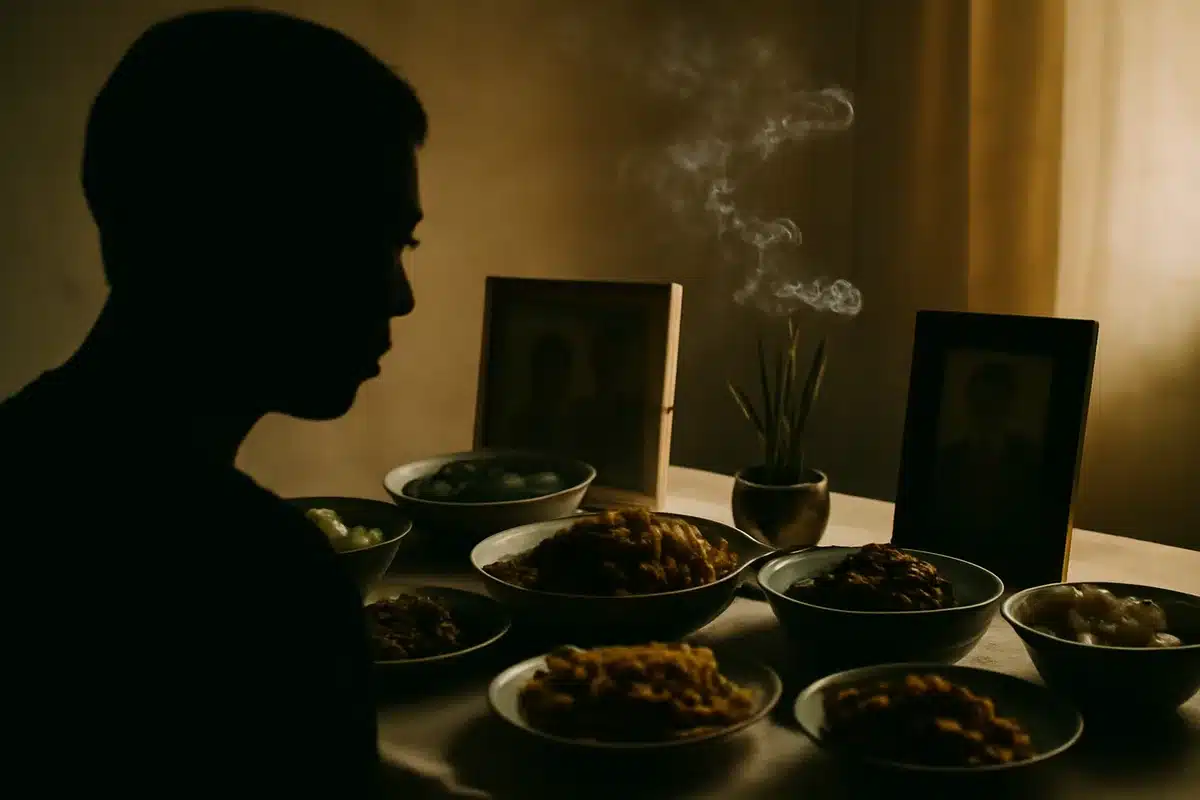
Food and family anecdotes have become shorthand for a deeper cultural claim: asserting belonging without invoking grand narratives. In interviews, festival specials and social posts, actors often connect to regional recipes, neighborhood memories and multi-generational traditions that resonate across age groups.

These gestures do more than humanize celebrities. They create cultural touchpoints — shared recipes, remembered festivals, and images of domestic life — that make the idea of nationhood feel immediate and familiar. For many viewers, a story about a grandmother’s kitchen is a more persuasive expression of national pride than a speech.
At the same time, there is a commercial dimension: cookbooks, branded food events and lifestyle programming turn cultural intimacy into marketable content. That intersection of commerce and culture complicates the authenticity viewers expect from public figures.
Accountability, activism and the tightrope of public life
Actors who speak out on civic matters often face intense scrutiny. Supporters see them as catalysts for change; critics question their motives and expertise. This dynamic is particularly visible around Independence Day, when patriotic themes are magnified and sentiments run high.
Industry insiders note that some performers use their platforms for sustained engagement — supporting local causes, funding community projects or collaborating with experts — while others issue occasional statements that attract attention but little follow-up. The difference matters: sustained involvement can create durable impact; ephemeral gestures may only fuel controversy.
- Storytelling: Personal narratives that connect regional culture to national conversation.
- Artistic choices: Films and series that interrogate social norms and institutional failings.
- Public engagement: Campaigns and on-the-ground initiatives that translate celebrity attention into action.
- Cultural programming: Food, festivals and family-focused content that popularize heritage.
- Risk and scrutiny: The backlash that comes when public statements collide with politics or facts.
| Mode of Expression | What it does | Audience effect |
|---|---|---|
| Role selection | Brings social issues into mainstream entertainment | Stimulates public debate; reshapes expectations of storytelling |
| Personal storytelling | Builds emotional ties through food and family memories | Strengthens cultural identification across generations |
| Philanthropy & campaigns | Directs resources and attention to local problems | Can prompt institutional response or encourage civic action |
For media outlets and cultural observers the central question is how to treat celebrity-driven narratives: as useful signals that surface neglected issues, or as distortions that oversimplify complex problems. Both outcomes are possible. Responsible coverage requires verification and context rather than amplification for its own sake.
Looking ahead, the interplay between tradition and modern public engagement will remain a defining feature of India’s cultural landscape. Actors will keep serving as both mirrors and motors — reflecting public mood while accelerating conversations — and audiences will judge their impact by the depth of follow-through, not the volume of statements.