
Show summary Hide summary
Advances in food technology—most notably products grown from cells and dairy proteins produced without cows—are forcing a rethink of long-standing dietary choices rooted in religious ethics and traditional medicine. For people who follow Hindu teachings about non-harm and practitioners of Ayurveda, these new foods raise practical and moral questions about what counts as “animal” food and whether the old rules still apply.
What the new products actually are
Cultured meat, animal-free dairy shake up plant-based aisles: shoppers face new choices
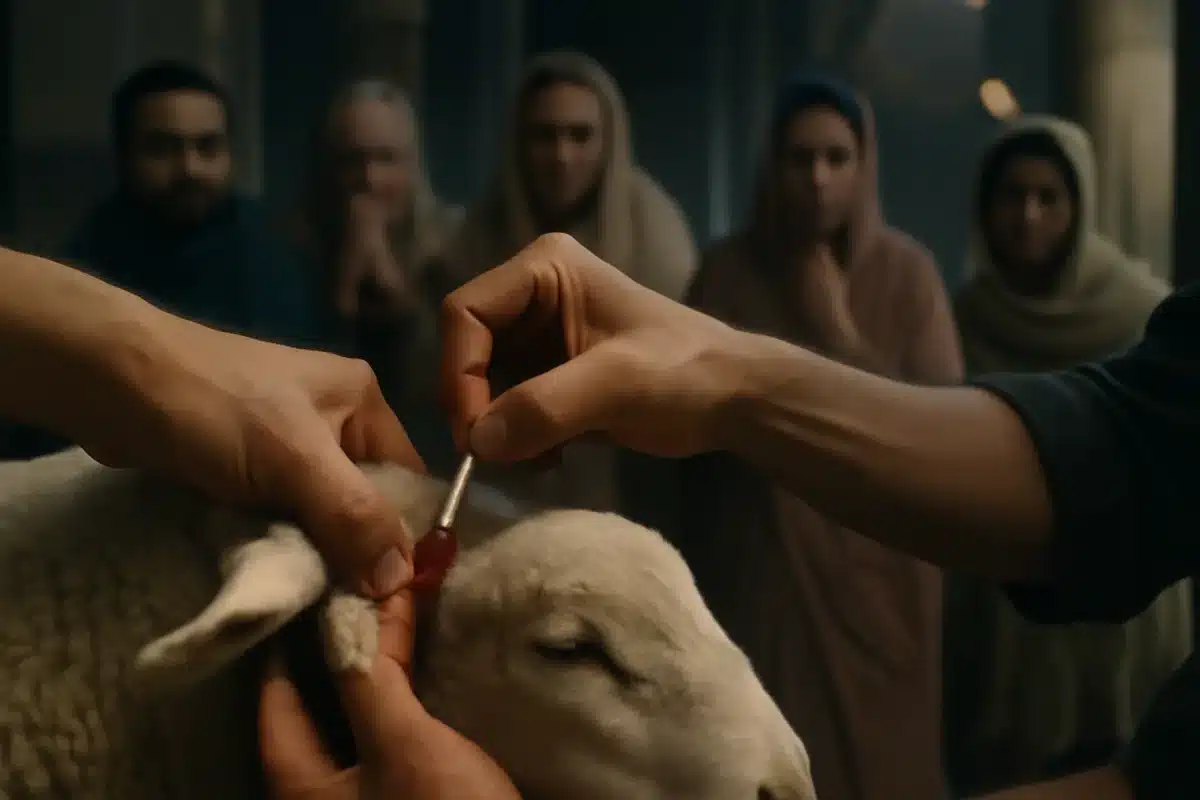
Gadag temple turns to syringe for ritual blood offering: animal slaughter halted
Cultured meat is real animal tissue created in bioreactors from cells taken from an animal. The original sample is collected by biopsy; the cells are then multiplied and turned into muscle and fat outside the animal’s body. Regulators in a handful of countries have begun to approve these products for commercial sale, and multiple firms are scaling production for broader markets.

Animal-free dairy is usually produced using precision fermentation. Scientists insert the genetic code for dairy proteins into microorganisms such as yeast. Those microbes are grown in controlled tanks, where they produce proteins that are molecularly the same as casein and whey from cow’s milk. The resulting isolates are then used to make cheese, yogurt and ice cream without relying on cows.
Why this matters now
The question is not only technological: these foods touch on deeply held beliefs about diet, harm and health. For millions of Hindus and many practitioners of traditional Indian medicine, choosing what to eat is part spiritual practice, part public ethics. New food sources may preserve some ethical aims while complicating others.
- Animal welfare: Neither cultured meat nor fermentation dairy requires ongoing animal slaughter. That directly addresses concerns about killing and factory farming.
- Environmental footprint: If scaled responsibly, these methods could reduce land use, methane and other pressures from intensive livestock farming—but the net impact depends on energy sources and production efficiency.
- Health: Nutritionally, cultured meat is still meat and fermentation-derived dairy contains the same proteins as cow’s milk; how they affect individual health depends on diet context and processing.
- Cultural and spiritual meaning: For those guided by ahimsa, the absence of killing may be decisive. For followers of Ayurveda, the classification of a food as heavy or “tamasic” may remain unchanged despite its origin.
These points show why a single verdict—“this is acceptable” or “this is not”—will not fit everyone. People weigh motives differently: some avoid animal products primarily to prevent suffering; others do so for ecological reasons, health, or religious purity.
A nuanced look at the ethical questions
From an animal-rights perspective, the lack of slaughter is a breakthrough. But ethical debate continues around how donor animals are treated during cell collection and whether consent is meaningful for non-human donors. For some critics, any level of extraction from an animal represents an unacceptable use of another being.
Environmental claims also require scrutiny. Cultured and fermentation products can be more resource-efficient, but if manufacturers rely on carbon-intensive energy or heavy processing, the climate benefits may be smaller than promised. Independent lifecycle analyses will be decisive in the coming years.
Health and traditional medicine
Health-minded consumers should note that replacing conventionally farmed meat with lab-grown alternatives does not automatically produce a healthy diet. A processed, high-fat or high-sodium product remains problematic regardless of its origin.
In classical Ayurvedic terms, meat is generally considered tamasic—dense and potentially dulling—while milk has long been valued for its nourishing qualities when sourced from animals raised in traditional, respectful conditions. That distinction complicates simple endorsements or rejections of these new foods within Ayurvedic practice.
Practical choices for different motivations
Different reasons for avoiding animal products lead to different conclusions about cultured meat and animal-free dairy:
- If your priority is to avoid killing or direct animal cruelty, these products largely meet that goal.
- If you avoid animal products for climate or conservation reasons, both technologies could help—provided production is energy-efficient and reduces industrial-scale livestock farming.
- If health is your main concern, replacing unbalanced eating patterns with lab-made versions is not a guarantee of better outcomes.
- If you follow a spiritual path that emphasizes dietary purity in the traditional sense, the symbolic or energetic status of meat and dairy may remain the deciding factor.
People who already maintain balanced vegetarian or vegan diets gain less practical benefit from adopting these new foods; those who eat meat may see cultured options as a way to reduce harm without giving up familiar tastes.
Ultimately, adopting cultured meat or fermentation-derived dairy will be a matter of personal priorities: whether you emphasize the reduction of animal suffering, environmental calculation, nutritional outcomes, or the spiritual meanings attached to food. As regulators, producers and communities continue to debate standards, transparency about production methods and independent research will be crucial for informed decisions.