

Show summary Hide summary
Hindu thought has been threading through American intellectual life for two centuries, from early republic curiosity to modern wellness and social movements. That influence matters now as debates over pluralism, civil resistance and cultural exchange shape politics and public life.
At first glance the connection between American culture and Hinduism can seem limited to yoga classes and meditation apps. A closer look reveals a longer, quieter exchange: American thinkers and activists adopted and reinterpreted ideas from Indian religion and philosophy, with consequences for religious tolerance, nonviolent protest and the nation’s literary imagination.
Early curiosity in the young republic
Annamalai applauds Bhagwat’s message on Muslim inclusion in India
Navratri in Times Square goes viral: social media splits over Indian celebrations abroad
In the decades after independence, some American intellectuals began to treat religion as a subject for comparative study rather than only personal belief. Leading figures in the Federal period and among the Unitarians read translations and commentaries on ancient Indian texts and found in them a philosophical depth that reshaped their thinking about God, reason and human nature.
That early interest set a tone: rather than a sudden import, engagement with Hindu ideas arrived through scholarly reading and correspondence, then seeped into larger debates about faith and society.
Transcendentalism: ideas put to literature
The New England movement known as Transcendentalism in the 1830s absorbed many of these themes and rendered them in essays and poems. Writers such as Ralph Waldo Emerson adapted Eastern concepts about the unity of nature and the inner divinity of the individual, while others sought to live those principles.

Walt Whitman’s poetry reflected a cosmopolitan spiritual sensibility that critics have linked to his reading of Indian verse and to his own moments of mystical insight. Henry David Thoreau, famous for retreating to the woods to test a simpler life, often described austerity and inward discipline in terms resonant with yogic practice.
Transcendentalists combined a philosophical openness to non-Western sources with active commitments: reforming education, supporting abolition and arguing for greater social equality. Their translations and paraphrases introduced Indian texts—especially the moral and metaphysical language of the classical scriptures—into American discourse.
- 1810s–1820s: Early American readers of Indian texts among educated Unitarians.
- 1830s: Transcendentalist writers integrate Eastern ideas into literature and ethics.
- 1893: A pivotal public introduction of Hindu thought at an international religious gathering in Chicago.
- Early 20th century: Vedanta societies and intellectual advocates popularize sustained study of Indian philosophies in the U.S.
- 1960s onward: Increased migration of Indian teachers and broader cultural diffusion into music, activism and popular spirituality.
Public introduction and institutional organizing
The international religious assembly held in Chicago at the end of the 19th century marked a shift from private reading to public engagement. An Indian spiritual leader presented Hinduism as a philosophy that stressed tolerance and the sacredness within people—messages that resonated with audiences skeptical of narrow sectarian claims.
After that event, organized centers of study and practice appeared in major cities. These institutions offered lectures, texts and training for American converts and sympathetic intellectuals, creating a bridge between Indian teachers and Western audiences. Over time they nurtured students who in turn influenced literature, comparative religion and popular culture.
From nonviolence to civil rights
Intellectual exchange moved in both directions. American essays and experiments in civil resistance reached global audiences, while Indian leaders adapted and transformed those ideas. The cross-pollination is most visible in how concepts of moral resistance and personal discipline circulated between writers, political activists and spiritual teachers.
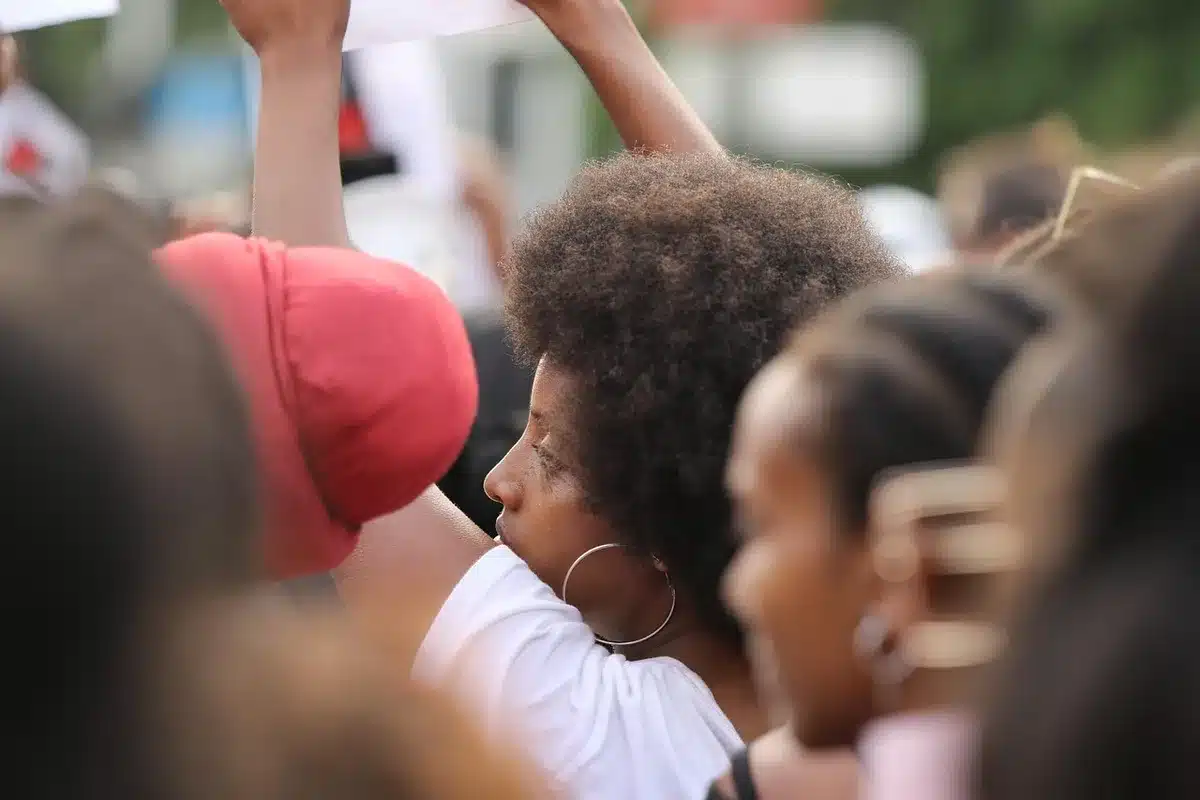
The rhythms of this exchange also helped shape later movements in the U.S.: strategies of nonviolent protest, an emphasis on moral witness, and a vocabulary of rights and duties that blended Western and Eastern moral thinking.
Why this thread still matters
Today the legacy shows up across cultural and civic life. Practices that began as philosophical imports are now embedded in American institutions—from university religion departments to mindfulness programs in schools and workplaces. Ideas about pluralism and the dignity of difference inform debates over religious freedom and multicultural policy.
At the same time, the ongoing relevance is practical: activists and community leaders continue to draw on a repertoire of nonviolent tactics and ethical language that developed through this cross-cultural conversation.
The story is not one of simple influence in one direction. Rather, it is a long, uneven conversation where texts, teachers and travelers reshaped how Americans thought about the self, society and the sacred.
Key takeaways
- Engagement with Hindu thought began in early American intellectual circles and grew into public movements.
- Transcendentalism translated Eastern ideas into an American literary and reform tradition.
- Institutional outreach—lectures, societies and teachers—made Hindu ideas more accessible to a wider public.
- Concepts of nonviolent resistance and pluralism traveled between the U.S. and India, influencing major social movements.
- The influence persists today in education, social activism and popular wellness culture.
Understanding this history matters because it reframes conversations about national identity, religious plurality and the sources of America’s moral vocabulary. What began as scholarly curiosity became a set of real-world practices and political ideas that remain active in public life.