Show summary Hide summary
A recent podcast conversation sheds fresh light on a refugee story that has quietly unfolded into local political leadership in the United States. The guest, a member of the Hindu community forced from his homeland decades ago, describes the long arc from displacement to civic office — a journey that matters at a moment when immigration and refugee policy remain central to public debate.
The guest, who now serves on a municipal council in Ohio, recounted being born into the ethnic Hindu community that once lived in Bhutan. In the late 20th century, tens of thousands from that community were pushed out amid citizenship changes and rising national tensions, leaving many stranded in temporary settlements across the region.
Those settlements — often called refugee camps — became the only option for families with no legal standing in neighboring countries. From there, a combination of international resettlement programs and private sponsorship helped many relocate to third countries, including the United States. The interview walks listeners through those steps with firsthand detail: the confusion of losing home documentation, the challenges of life in limbo, and the practical hurdles of starting over in a new country.
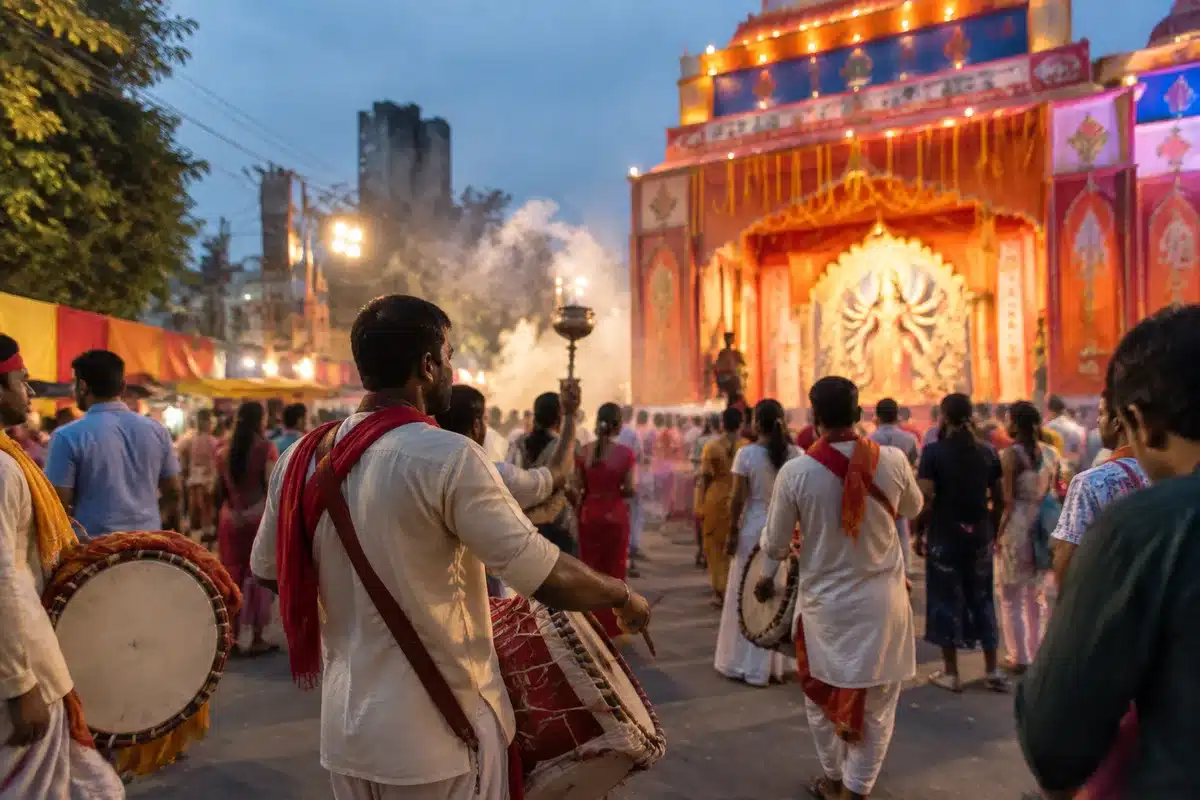
NRIs in New South Wales: temples offer Hindu puja and Buddhist meditation
Ohio adds former Bhutan refugee Bhuwan Pyakurel to city council
From displacement to public office
What makes this story notable beyond its human dimension is the guest’s transition into public service. After resettling in Ohio, he and his family navigated language barriers, employment challenges, and cultural adjustment — and later built a community presence that led to his election to the city council. He frames that trajectory not as a smooth success but as a cumulative result of community networks, civic education, and sustained grassroots work.
There are concrete takeaways for community leaders, policymakers and voters alike. The experience highlights how local institutions — schools, nonprofits and municipal offices — serve as key sites of integration, and how refugee experiences can translate into civic participation when barriers are reduced.
Key points from the conversation
- Origins of the crisis: changing nationality laws and identity politics in Bhutan pushed a significant Hindu minority into exile.
- Life in exile: prolonged legal uncertainty in neighboring countries created long-term dependence on humanitarian aid and limited economic opportunities.
- Resettlement pathway: international programs and host communities in the U.S. provided legal entry, housing assistance and early job placement.
- Community rebuilding: local religious and cultural organizations helped preserve identity while offering practical support for integration.
- Political participation: sustained civic engagement and local organizing opened the door to elected office and broader representation.
The episode mixes personal memory with policy discussion, giving listeners both emotional context and practical insights into how displaced populations become civic stakeholders. It underlines a simple but powerful point: representation at local levels can emerge from unexpected places, and former refugees can become advocates for whole communities.
That shift has broader implications. As cities and towns across the United States wrestle with questions about inclusion, housing and services, the presence of elected leaders with refugee backgrounds reframes debates about belonging and capacity. Their experiences can inform how municipalities design outreach, language access and workforce programs.
In short, the conversation is a reminder that migration stories are not only about loss. They are also about adaptation, contribution, and the slow work of civic integration — outcomes that carry practical consequences for policy and community life today.