Show summary Hide summary
This year’s Sharadiya Navaratri falls in October and brings key rituals and crowd-packed pandal visits across Bengal and other regions. With major observances clustered around October 18–21, readers should note precise timings for the Ashtami rituals and plan visits or travel accordingly.
According to this year’s panchanga, the festival period begins on October 11 and runs through October 19, with major rites on the evenings of October 18–19 and Vijayadashami observed in West Bengal on Wednesday, October 21. Local puja committees and regional calendars may list slightly different times, so verify timings for your city before you go.
How the festival unfolds
Allahabad high court voids three land purchases: woman couldn’t prove continued ST membership
Odissi dazzles at WhiteSwan festival: classical dance wins standing ovations
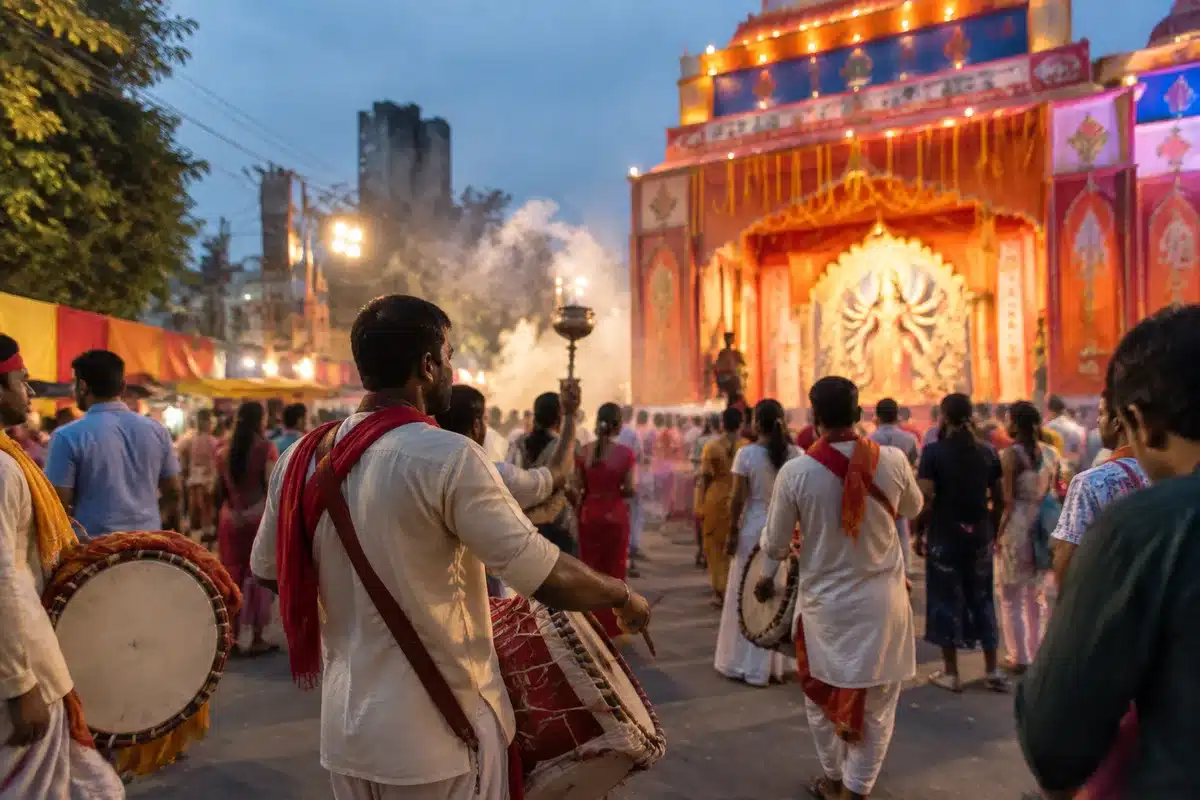
In Bengali practice, the public celebration typically spans five principal days from Shashthi (the sixth day) through Dashami (the tenth), with each day carrying a distinctive set of rituals and communal activities. Processions, traditional dhak drumming, dhunuchi dance and elaborate pandal decorations form the cultural backdrop for the religious rites.
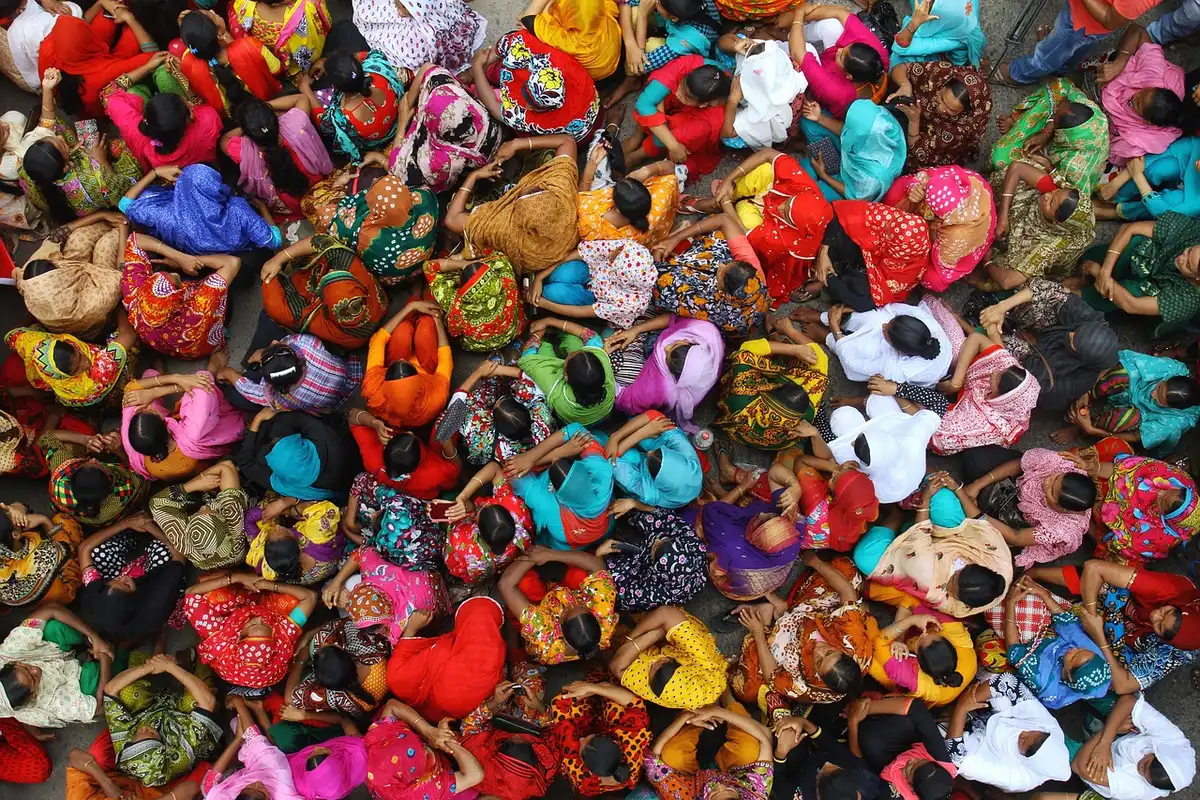
Typical sequence across the five days:
- Shashthi: Ritual invocation and the deity’s symbolic arrival.
- Saptami: Preparatory rites and ceremonial cleansing (including nava patrika rites in some households).
- Ashtami: Morning offerings and the evening Sandhi Puja, one of the festival’s most significant moments.
- Nabami: Public arti, bhog distribution and community worship.
- Dashami (Vijaya Dashami): Farewell rites, sindoor khela in many homes and the immersion of the deity’s idol.
Key timings to note
The most time-sensitive event for many visitors is the layered evening worship on Ashtami and Nabami. This year the panchanga records the clustered Sandhi Puja interval in the late evening; the exact start and finish times differ by location.
| Date | Event | Notes |
|---|---|---|
| 11 October | Festival period begins | Panchanga marks the start of Sharadiya Navaratri |
| 18 October | Ashtami | Major day of offerings; late-evening Sandhi Puja (approx. 21:57–22:45, listed for Delhi time). Local times may vary. |
| 19 October | Nabami / Mahanabami | Ritual arti, bhog and concluding ceremonies for many pandals |
| 21 October | Vijaya Dashami (Bengal) | Home observances, sindoor khela and visarjan in many communities |
Ritual details and local variation
Some panchangas note symbolic details for this year’s observance—for example, particular ritual arrival and departure forms attributed to the goddess in the calendar. These notations are ceremonial markers used by priests and some local committees; they do not affect the communal schedule but may shape processional practices in individual pandals.
Because puja committees set exact program timings and sequence, neighborhoods can differ widely: some pandals perform extended evening ceremonies, others compress rites into shorter time windows. If you plan to attend a specific pandal’s Sandhi Puja, arrive early—the ritual often lasts under an hour and attracts large crowds.
Practical tips for attending pandals
Large gatherings are expected during the core ceremonies. Keep these points in mind:

- Carry water and wear comfortable shoes suited to standing and walking.
- Confirm the pandal’s schedule from the local committee or panchang rather than relying on a single online time.
- Travel in groups after late-evening events; for vulnerable companions pick less crowded time slots.
- Secure valuables and follow crowd-control instructions from organizers and local authorities.
In brief
Ashtami: 18 October. Mahanabami: 19 October. Vijaya Dashami (in Bengal): 21 October. Check your local panchang or the announcements from neighborhood puja committees for the definitive schedule and exact Sandhi Puja timing in your city.