Show summary Hide summary
Holi, often seen in photos as a riot of color and laughter, is as much a seasonal and spiritual observance as it is a carnival. With the festival’s customs spreading worldwide, understanding its origins and the etiquette around participation matters for anyone planning to attend or host Holi events.
Myths that shape the festival
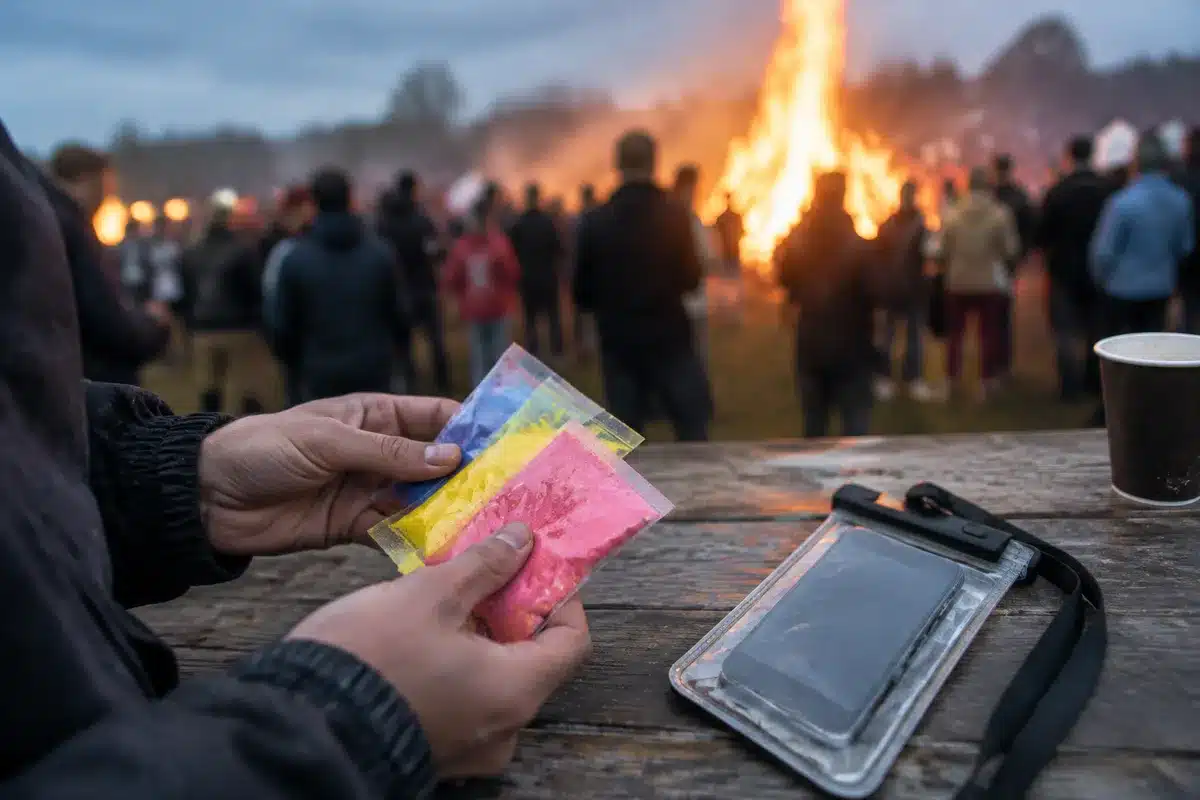
Two stories most commonly anchor Holi’s meaning. One tells of a boy whose devotion upended a tyrant’s plan: a fire meant to kill him instead consumed his attacker’s sister, a reversal that became a symbol of faith prevailing over malice. The ritual bonfire that opens Holi—called Holika Dahan—recalls that moment and the idea of leaving destructive impulses behind.
Allahabad high court voids three land purchases: woman couldn’t prove continued ST membership
Odissi dazzles at WhiteSwan festival: classical dance wins standing ovations
Another strand of the festival comes from pastoral legends about Radha and Krishna. These episodes celebrate playful love, community interaction and a breakdown of social barriers: on Holi, people mix freely, color one another and set aside everyday hierarchies. Together, these narratives give the festival both a devotional and a social dimension.
Seasonal meaning and communal ritual
Holi falls on the full moon at the end of the Hindu lunar month of Phalguna—typically late February or March—and marks the turn from winter toward spring. It coincides with harvest rhythms in many parts of India, when fields are cleared and new crops begin to grow.
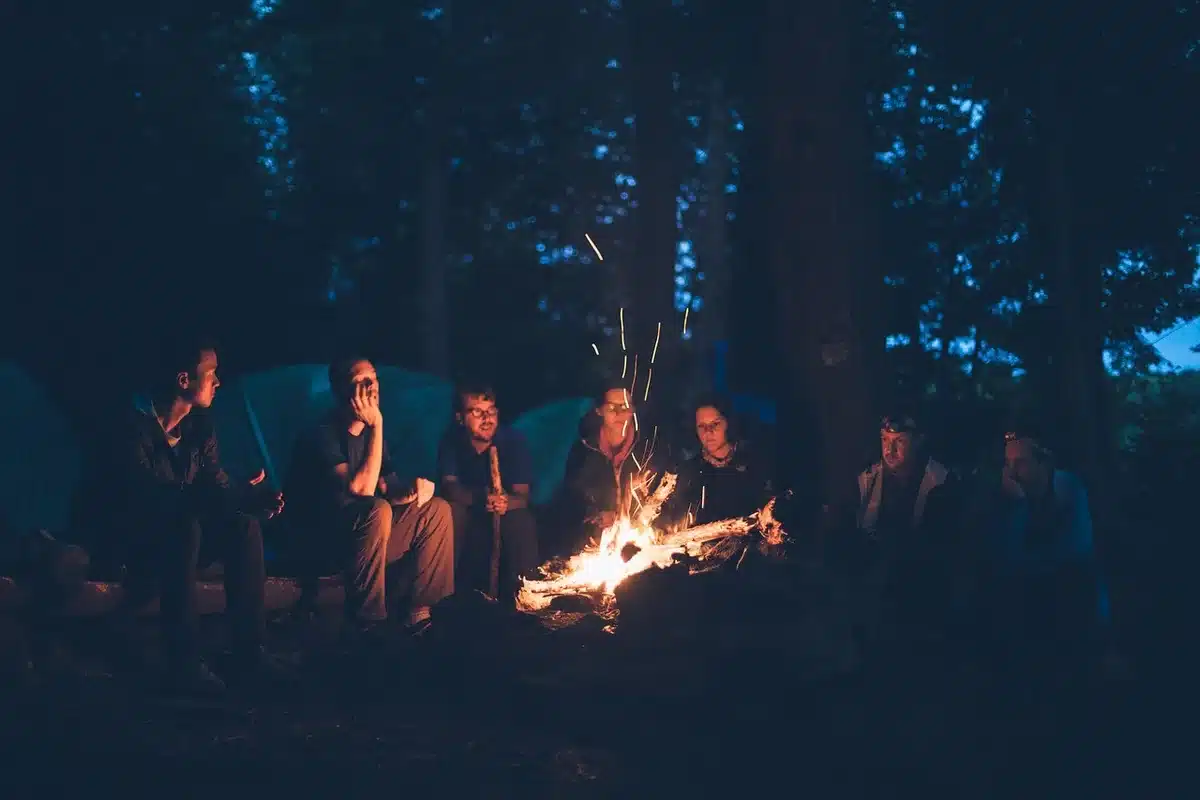
The eve of Holi is often given to the bonfire and shared offerings of roasted grains and pulses—an act that historically reinforced neighborhood bonds. The following day is dominated by the throwing of colored powders and water, a practice that publicly signals renewal, forgiveness and communal equality.
How people celebrate today
Modern Holi varies widely by region and community. In some places the festival is a full multi-day observance; in others it is a shorter, more concentrated event. Common elements include:
- Holika Dahan—a communal bonfire, singing and ritual.
- Wearing plain white clothes and smearing or throwing gulal (colored powder) and colored water.
- Sharing sweets, savory snacks and music in the evening.
- Local variations: women’s processions, playful teasing rituals, or village-specific customs tied to local deities.
Practical notes for participants
If you plan to join a Holi gathering, a few simple practices make participation respectful and safe:

- Use skin- and environment-friendly colors; avoid harsh chemical powders.
- Ask before applying color to anyone—consent matters.
- Protect eyes and electronics; wear goggles and keep your phone in a sealed pouch.
- Learn a bit of the stories and significance beforehand—acknowledging origins matters more than mere entertainment.
When celebration becomes commerce
In recent years Holi’s visual appeal has made it the basis for commercial events—branded color runs and open-air parties. These adaptations have helped spread awareness, but they also raise questions about cultural context. Stripping the festival of its religious and social meanings risks reducing it to a marketing spectacle.
At the same time, diaspora communities have adapted Holi to new settings, turning it into an occasion that fosters cultural continuity and cross-cultural exchange. The challenge for organizers and participants is to balance openness with respect.
Quick facts at a glance
- When: Full moon of Phalguna (late Feb–Mar).
- Main rituals: Bonfire (Holika Dahan) and throwing colors (gulal).
- Core themes: Renewal, devotion, social equality, seasonal harvest.
- Contemporary concerns: Safety of colors, consent, and cultural appropriation.
Holi remains one of the most visually striking and socially inclusive festivals in South Asia. Approached with awareness of its stories, seasonal roots and communal intent, participation can be both joyful and respectful—an opportunity to celebrate renewal without erasing the traditions that gave the festival its meaning.