Show summary Hide summary
Two recent fashion moments — a high-end handbag from Fendi and a runway look from Ralph Lauren that incorporated traditional Indian metal-thread embroidery — have reopened a widespread conversation about how luxury brands use, acknowledge and compensate craft traditions. The debate matters now because social media amplifies consumer scrutiny and could reshape how global labels source and credit artisanal work.
At its core the discussion is not only about aesthetics but about who benefits when centuries-old techniques appear on international runways. When a decorative technique that evolved over generations appears on an expensive product without clear attribution or visible links to the communities that sustain it, critics say that cultural borrowing edges into exploitation.
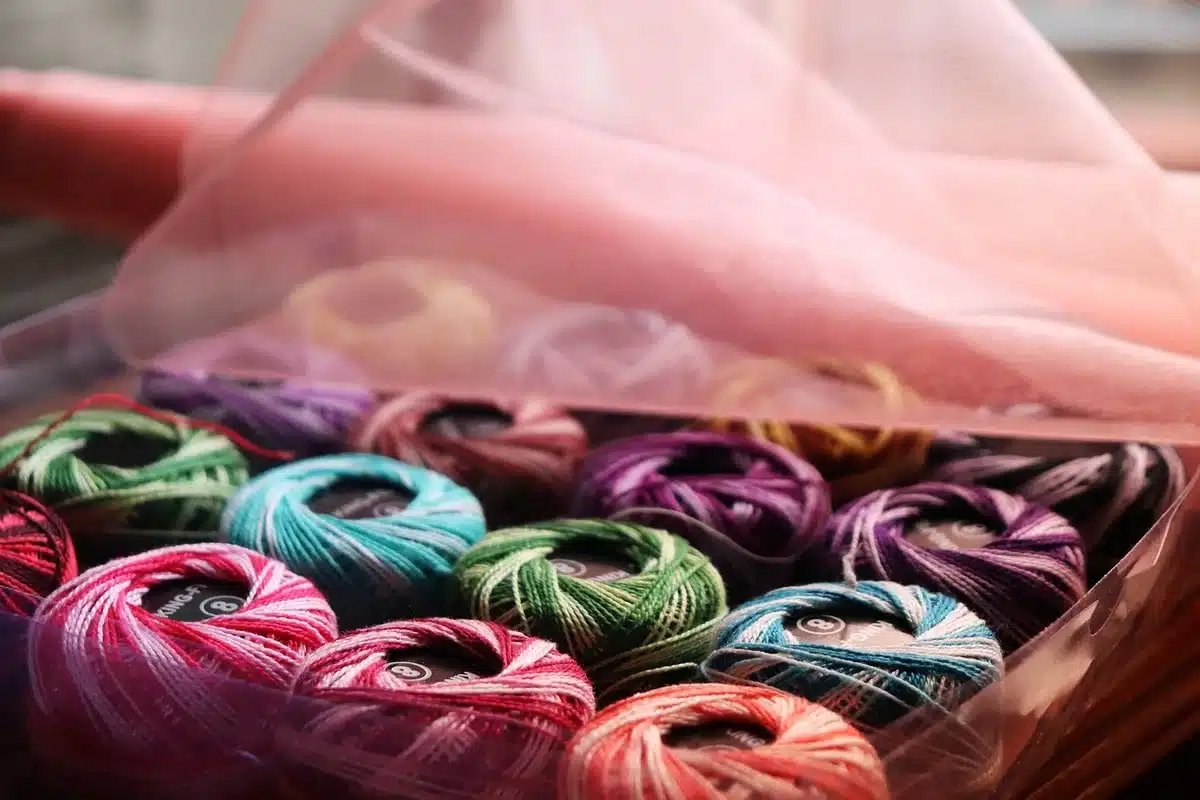
Zardozi — a needlework technique using metal and silk threads to create raised, ornate motifs — is one of the crafts at the center of the debate. Practiced by artisan groups in parts of South Asia for generations, it requires intensive handwork and specialized skills. Attention to its use in luxury items has prompted questions about payment, provenance and intellectual property protection for such traditional knowledge.
Allahabad high court voids three land purchases: woman couldn’t prove continued ST membership
Odissi dazzles at WhiteSwan festival: classical dance wins standing ovations
Why the issue is rising now
Luxury fashion has become both more global and more visible. A handful of images or a single product launch can travel worldwide within hours, triggering immediate public reaction. Consumers today increasingly expect brands to provide transparency about sourcing, labor conditions and creative partnerships. That shift is pushing debates about cultural appropriation and credit into mainstream conversations rather than niche cultural-criticism circles.
| Item | Brand | Traditional craft | Public reaction | Central concern |
|---|---|---|---|---|
| Handbag | Fendi | Zardozi | Widespread online discussion about attribution and recognition | Whether artisans and heritage were acknowledged or compensated |
| Runway look | Ralph Lauren | Zardozi accents | Social media debate over cultural borrowing and craft visibility | Transparency of sourcing and benefit-sharing with craft communities |
What this means for brands and artisans
The consequence for labels can be reputational: consumers and commentators now expect visible credit and ethical sourcing. For artisan communities, the stakes include fair wages, ongoing work opportunities and recognition that can sustain traditions.
- Partner publicly with craftspeople and make those collaborations visible, rather than presenting traditional techniques as anonymous inspiration.
- Adopt clear sourcing labels that name the region or community and explain the role of traditional techniques in production.
- Negotiate fair contracts and payment terms that reflect the time-intensive nature of handwork.
- Support capacity-building so artisans can move into co‑design or receive royalties when appropriate.
- Explore legal tools such as geographical indications or collective trademarks to protect traditional knowledge.
Policy and law currently offer uneven protection for traditional arts. Some countries use geographical indications or cultural heritage laws to safeguard specific crafts, but international enforcement is limited. That gap leaves much of the responsibility to brands and buyers to act ethically.
Consumers also have leverage: asking brands about provenance, favoring designers who publish supply-chain details, and supporting artisan-led labels can shift market incentives. Transparent storytelling that credits makers and explains technique not only addresses ethical concerns but can also add commercial value by connecting products to authentic cultural histories.
Ultimately, these recent incidents are unlikely to be isolated controversies. As luxury houses continue to draw on global craftsmanship, conversations about credit, compensation and cultural stewardship will shape how the industry works — and who benefits. For journalists, buyers and policymakers alike, the debate signals a practical question: when heritage meets high fashion, how should responsibility be shared?