Show summary Hide summary
Navratri begins this Sunday, October 11, 2026, ushering in nine days of worship, community gatherings and regional rituals that culminate with Dussehra on October 20. For many households and temples the timing of key rites matters now—both for planning public events like garba and for families observing fasts or performing specific pujas.
Ghatsthapana: the ritual that starts the festival
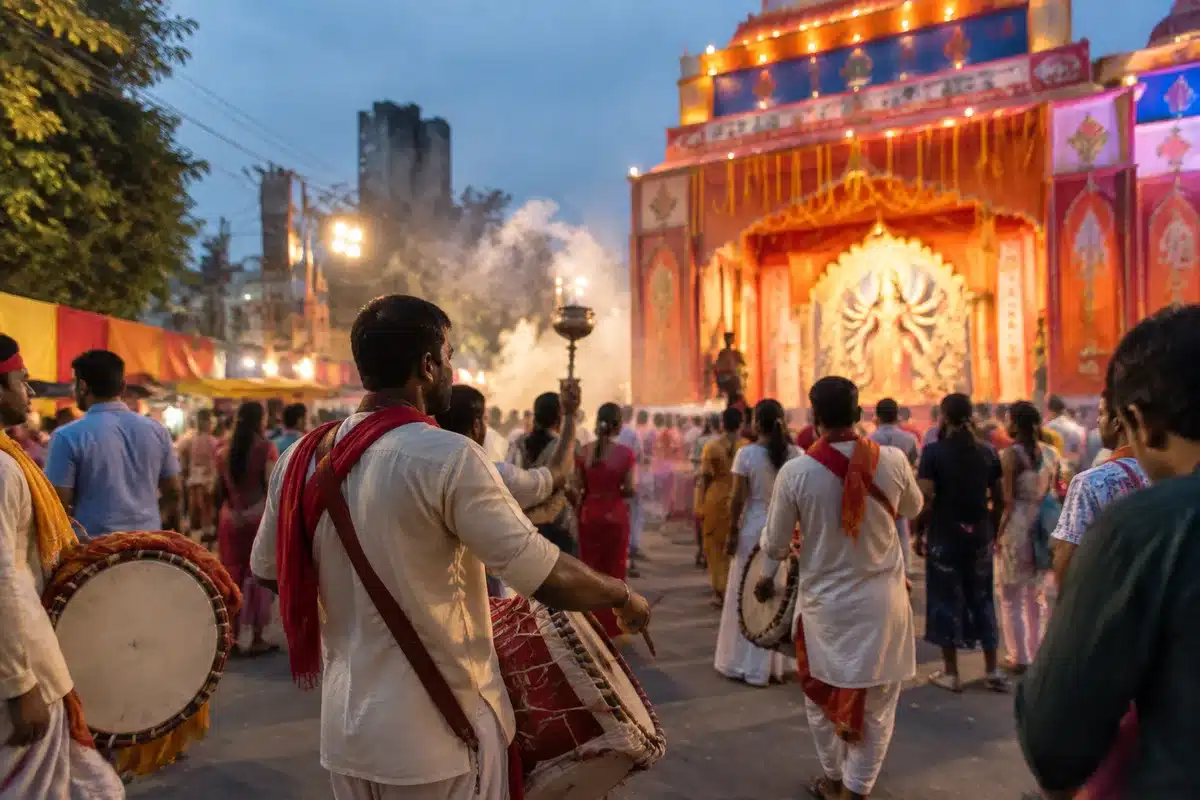
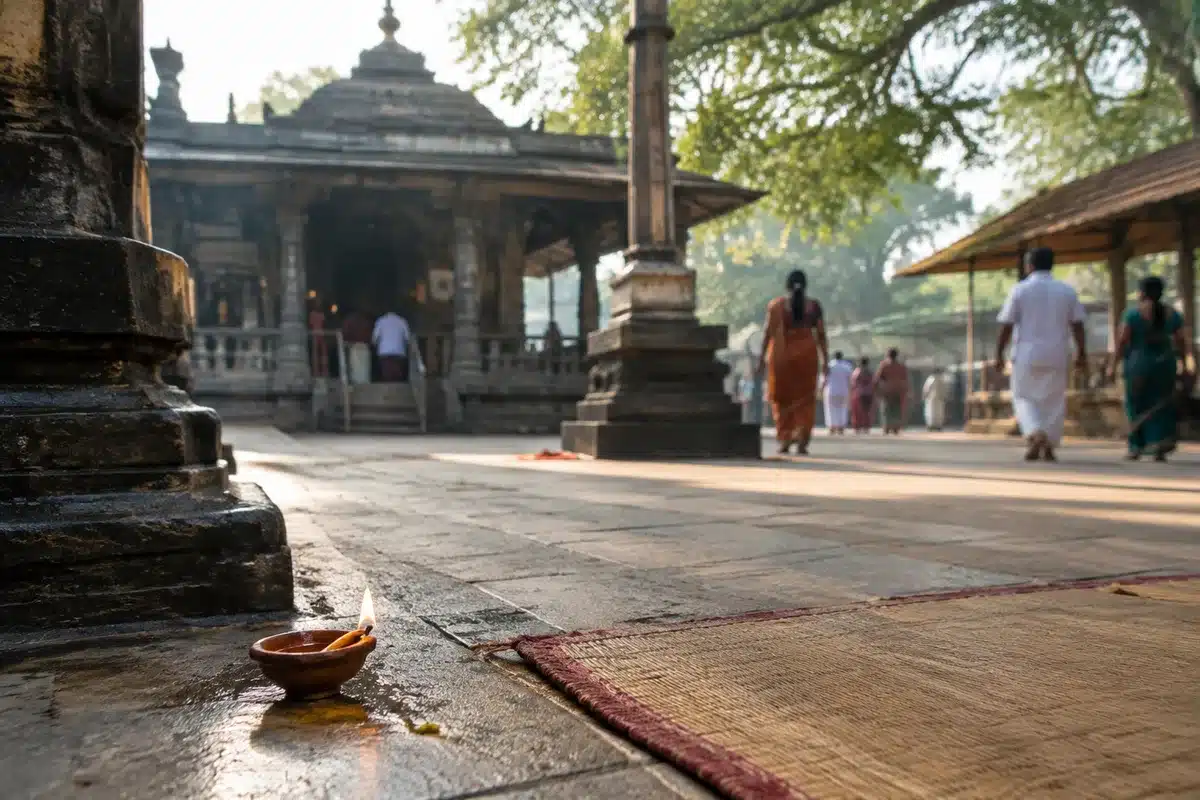
The festival officially opens with the placement of the sacred kalash, a rite known as Ghatsthapana. According to the panchang timings used for New Delhi, the Pratipada tithi begins on October 10 at 08:49 and runs until 09:00 on October 11. The auspicious window to install the kalash on the morning of October 11 is from 07:12 to 09:00.
Allahabad high court voids three land purchases: woman couldn’t prove continued ST membership
Odissi dazzles at WhiteSwan festival: classical dance wins standing ovations

Families observe this in different ways: some plant grains in soil and set the kalash atop the sprouted mound, while others follow temple-specific practices. Because local sunrise and tithi calculations can shift muhurat by minutes, residents should check a trusted regional panchang or their temple notice for precise timing.
Nine days, nine forms
Each day of the festival is dedicated to a distinct aspect of the Goddess: from Shailaputri on day one through to Siddhidatri on day nine. These daily observances intensify at mid-festival when Durga Ashtami falls on October 18; the critical Sandhi Puja is scheduled that night between 21:57 and 22:45 (Delhi time). The day after Ashtami is Mahanavami on October 19, and the festival cycle ends with Vijayadashami (Dussehra) on October 20.
Public life and garba
In Gujarat and cities with large Gujarati communities, Navratri is synonymous with garba and dandiya. These nightly gatherings range from large, choreographed events in parks and auditoriums to informal circle dances in neighbourhoods and village chowks. Attire—chaniya choli, kediyu and traditional jewellery—remains an important part of the atmosphere, with music and rhythmic clapping forming the core of the ritual dance.
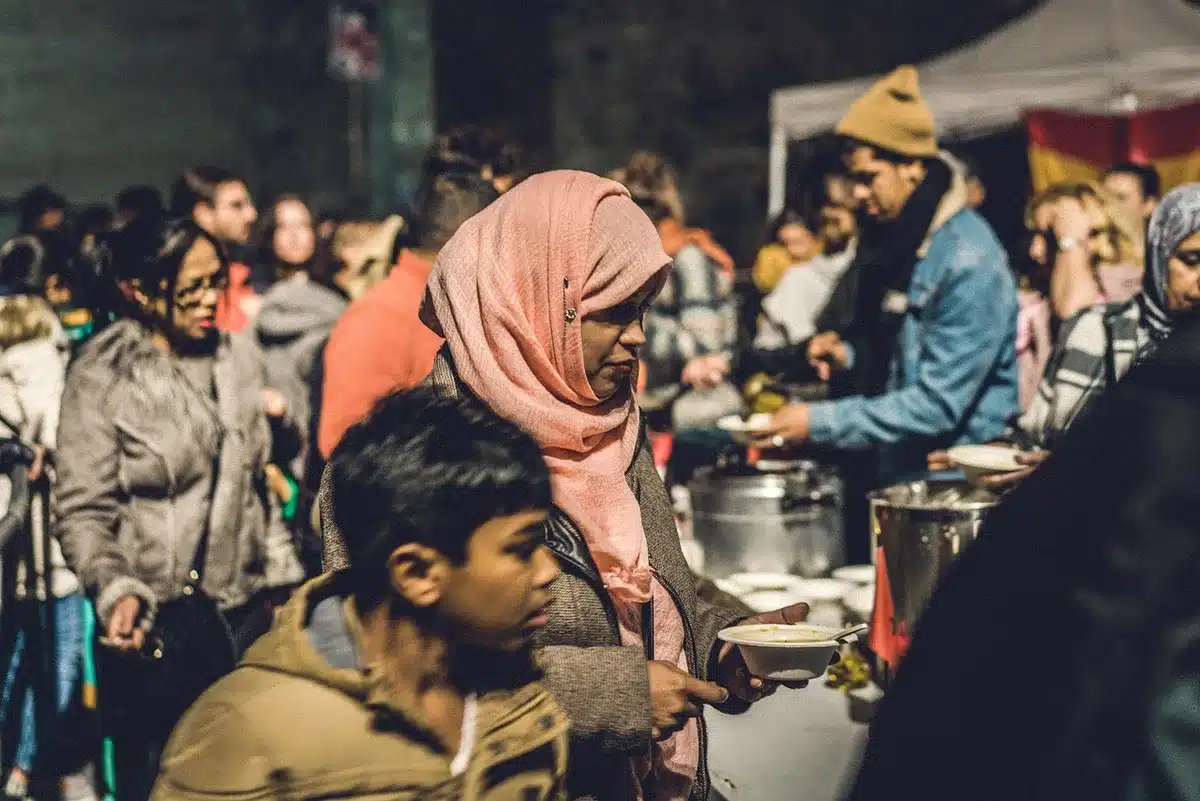
Big-city venues sometimes host shows that run late into the night; smaller communities often keep to shorter programs. Either way, the festival brings visible economic and social activity: local vendors, transport services and small businesses typically see higher demand across the nine days.
Fasting, food and health
Practices around fasting vary widely: some people fast the full nine days, others observe only the first and last, while many take a partial fast with permitted foods such as sabudana, rajgira, fruits and milk. Staying hydrated and maintaining balanced meals when breaking a fast are important.
This overview is informational, not medical. Pregnant women, older adults, people with diabetes or those on regular medication should consult a physician before beginning any fast.
Safety at crowded events
Garba nights bring large crowds and extended hours away from home. Simple precautions reduce risk: keep children close, carry water, identify exits at venues and travel in company after late programs. Wear comfortable footwear and take periodic rests if you plan to dance for long stretches.
- Keep a charged phone and emergency contacts accessible.
- Mark a fixed meeting point in crowded venues.
- Carry any necessary medications; avoid overexertion.
Vijayadashami: timing and traditions
On Tuesday, October 20, the auspicious victory period (Vijay muhurat) is listed from 13:59 to 14:45 (Delhi). Many households follow time-honoured customs that day—offering sweets such as fafda-jalebi in Gujarat, performing puja to tools or weapons, and considering the day auspicious for starting new work.
| Date (2026) | Event | Key timing (New Delhi) |
|---|---|---|
| Oct 10–11 | Pratipada tithi begins; preparatory time for installation | Pratipada: Oct 10 08:49 → Oct 11 09:00 |
| Oct 11 | Ghatsthapana / Kalash installation (Navratri Day 1) | 07:12 – 09:00 |
| Oct 18 | Durga Ashtami; Sandhi Puja | Sandhi Puja: 21:57 – 22:45 |
| Oct 19 | Mahanavami | All day |
| Oct 20 | Vijayadashami / Dussehra | Vijay muhurat: 13:59 – 14:45 |
Quick practical points: check local panchang for your city, plan travel around late-night events, and seek medical advice before fasting if you have health conditions. The festival mobilizes communities and services—being prepared helps everyone observe safely and respectfully.
Timings given here follow New Delhi calculations; local muhurats can vary by a few minutes. For the definitive schedule in your town, confirm with a regional panchang or your local temple.