Show summary Hide summary
Navratri begins today, Sunday 11 October 2026, marking nine days of ritual, fasting and public observance across India. For households and temples in Delhi the festival runs through Mahanavami on 19 October, with Vijayadashami (Dussehra) falling on Tuesday 20 October — timings below are given for Delhi and may shift by a few minutes in other cities.
Ghatasthapana: when to set the kalash
The auspicious window for Ghatasthapana — the ritual to install the kalash that stays at home throughout Navratri — falls this morning. In Delhi the pratipada tithi runs from 8:49 am on 10 October until 9:00 am on 11 October, and the recommended muhurat for placing the kalash today is 7:12–9:00 am (duration about 1 hour 48 minutes).
Navratri 2026: ghatasthapana kicks off nine days of worship, Dussehra on Oct 20
Professor Chris Fici blends Hindu scholarship with daily bhakti practice

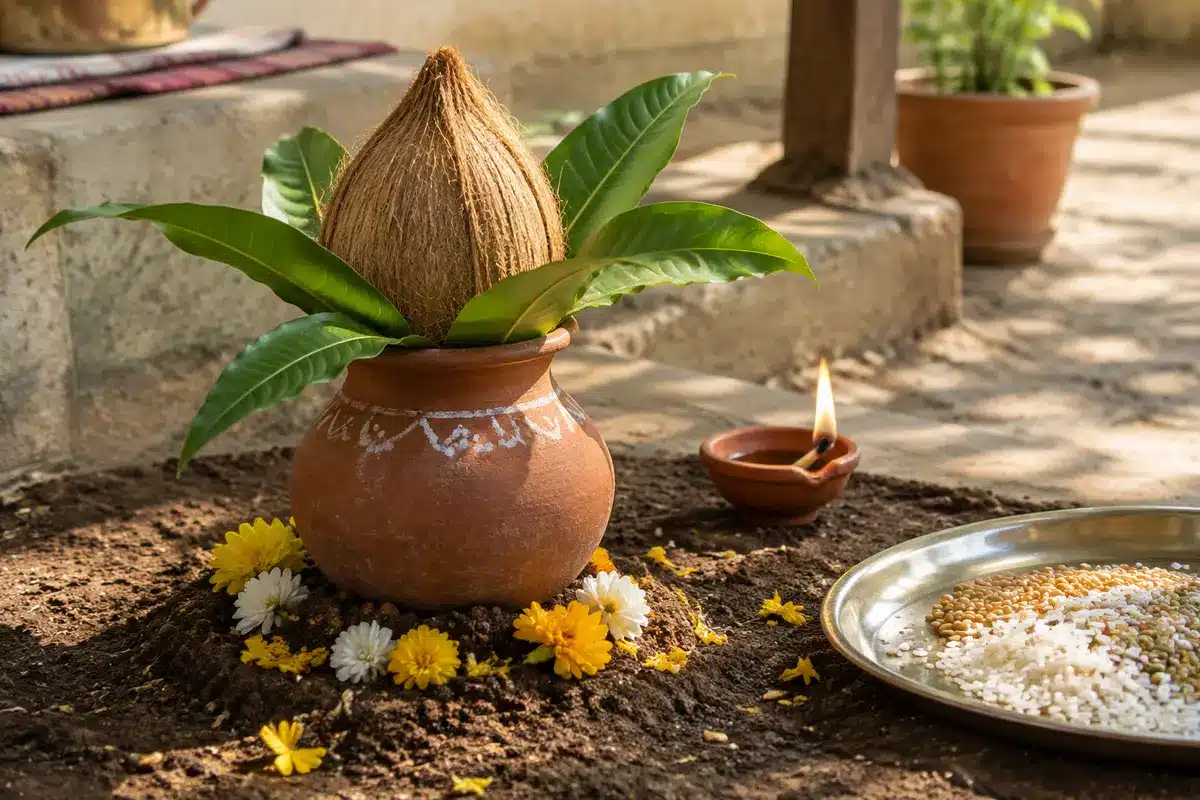
Households typically sow barley or jow (or similar grain) in clean soil, place a water-filled kalash topped with mango leaves and a coconut, and light a lamp nearby. If the prescribed muhurat has passed in your locality, consult your priest or local temple for an alternate auspicious time.
Nine days, nine forms
- 11 October — Shailaputri (Ghatasthapana)
- 12 October — Brahmacharini
- 13 October — Chandraghanta
- 14 October — Kushmanda
- 15 October — Skandamata
- 16 October — Katyayani
- 17 October — Kalaratri
- 18 October — Mahagauri (Durga Ashtami). Sandhi Puja on this night is timed 9:57–10:45 pm (Delhi).
- 19 October — Siddhidatri (Mahanavami), also a day for ayudha puja and navami havan
Many families observe a daily puja to a distinct aspect of the Goddess and some follow a traditional colour for each day. Regional customs vary, so follow local practice where it differs.
Fasting: practical guidance
Families observe Navratri fasts in different ways — some keep all nine days, others only the opening and closing days, and some observe only Ashtami or Navami. Common fasting foods include kuttu (buckwheat), singhada (water chestnut), sabudana (tapioca), fruits, milk and rock salt.
- Maintain hydration and regular eating times when you break a fast; fasting should not be a health risk.
- Avoid heavy, deep-fried meals on an empty stomach; light nuts or fruit can help sustain energy through the day.
- This is general information, not medical advice: pregnant people, older adults, people with diabetes or those on medication should consult a doctor before fasting.
Kanya pujan and community customs
On Ashtami or Navami many households invite young girls (kanyas) for a ceremonial meal — often halwa, puri and chana — offer small gifts, and seek their blessings. The ritual is a social expression of respect for girls and children and can be adapted to the family’s circumstances and regional style.
Vijayadashami (Dussehra): public observances
Vijayadashami falls on 20 October this year. In Delhi the auspicious victory muhurat is 1:59–2:45 pm, with the broader afternoon puja period 1:14–3:30 pm. The dashami tithi in local panchang begins 12:50 pm on 20 October and continues until 2:11 am on 21 October.
Effigy burning of Ravana, Kumbhakarna and Meghanada traditionally takes place in the evening after Ramleela performances; local committees decide timing for public events. Note that West Bengal observes Vijayadashami on 21 October this year, so dates vary by region.
Temple travel and crowds: plan ahead
Devi shrines and Shaktipeeths draw large crowds during Ashtami and Navami. If you plan to visit:

- Expect heavy footfall — arrive early and allow extra travel time.
- Carry water, a small offering and follow temple administration instructions for queues and entry.
- Consider alternate timings or smaller neighbourhood temples if large crowds are a concern.
Keep the observance simple if you prefer
For those seeking a quieter practice, brief morning recitation (ten minutes), lighting a single lamp in the evening and visiting a local temple once can be meaningful. Sharing prasad with a neighbour or someone living alone is a low-effort way to participate in the festival spirit.
Quick reference — Delhi timings
| Event | Date (2026) | Key time (Delhi) |
|---|---|---|
| Ghatasthapana muhurat | 11 October | 7:12–9:00 am |
| Durga Ashtami | 18 October | Sandhi Puja 9:57–10:45 pm |
| Mahanavami | 19 October | Daytime (Ayudha puja & navami havan) |
| Vijayadashami | 20 October | Vijay muhurat 1:59–2:45 pm; puja 1:14–3:30 pm |
Timings above are provided for Delhi and are rounded to minutes. Local panchang, temple notices or a priest can confirm exact muhurats for your town if you need a precise moment for rituals.