Show summary Hide summary
Fifteen days after the festival of lights, Varanasi returns to flame—this time the city lights lamps for the gods. Dev Deepawali, observed on Kartik Purnima, transforms the ghats and the Ganga into a single, city-wide ceremony; if you plan to attend in 2026, early planning is essential because crowds and logistics are managed weeks in advance.
The date and official timings for 2026
Dev Deepawali 2026 falls on Tuesday, 24 November. The evening ceremonies are tied to the Pradosh window; local panchang timings for Varanasi determine the moments when diyas are lit and rituals formally begin.
Sharad Purnima 2026: moonrise time and rituals for kheer and all-night vigil
Ugadi guide: crucial updates, dates and traditions to know today
| Event | Timing (Varanasi, Drik Panchang) |
|---|---|
| Pradosh muhurat (lighting window) | 5:08 PM – 7:47 PM |
| Purnima tithi begins | 11:42 PM on 23 November 2026 |
| Purnima tithi ends | 8:23 PM on 24 November 2026 |
Note: these figures are calculated specifically for Varanasi. Some sources may show different times; always recheck the local panchang a few days before travelling and verify any official programme announcements.
Why lamps are lit for the gods
Kartik Purnima is associated with the victory of Lord Shiva as Tripurantaka over the demon Tripurasura. The myth says Shiva destroyed three fortified cities in a single act, prompting the gods to celebrate with lamps. That tradition blends with Varanasi’s identity as a Shiva city: the riverfront becomes the stage, and thousands of diyas line the steps.
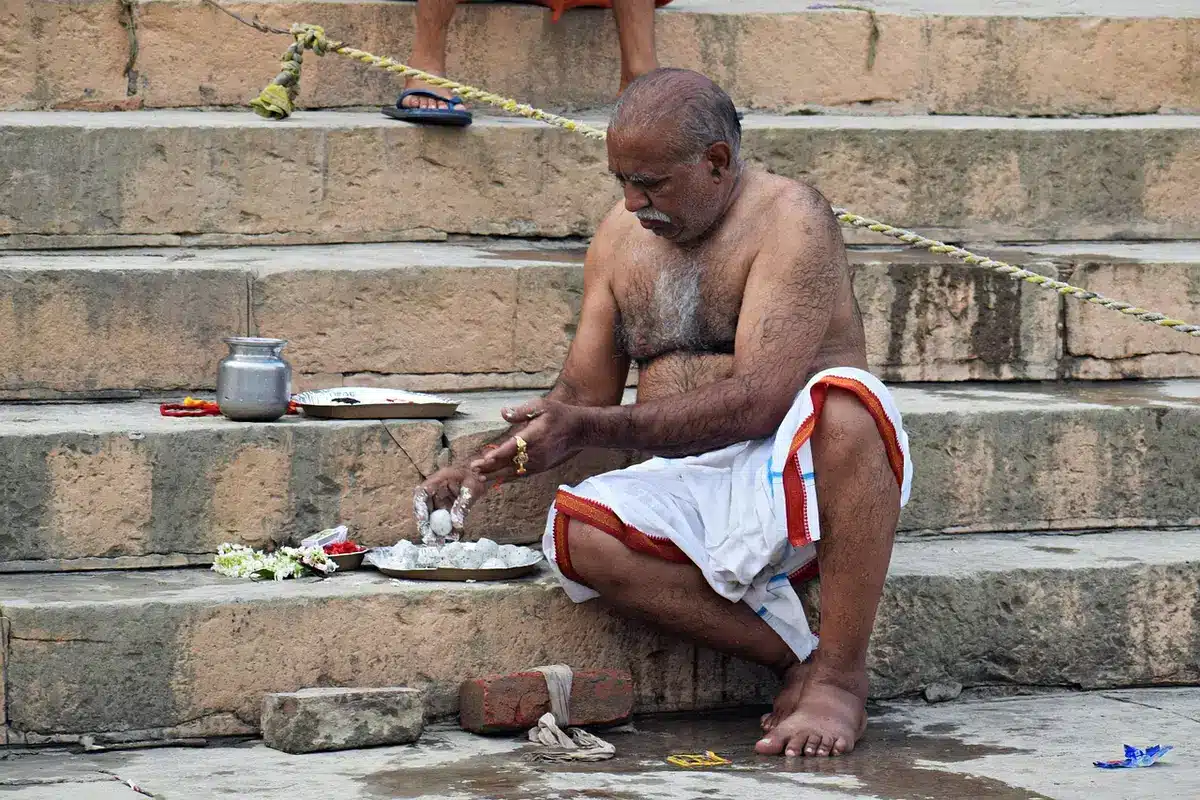
The day is also observed with a sacred morning bath in the Ganga, followed by evening lightings that symbolise gratitude and renewal.
What the night typically looks like
Programmes change year to year, but recent editions offer a reliable picture of scale and spectacle:
- State and local organisers coordinate large-scale lamp lighting across the city’s ghats; media reports in past years estimated totals from around one million diap to several million lamps placed by officials and residents together.
- All major ghats are illuminated; the main public rituals concentrate at central points such as Dashashwamedh Ghat, where the Maha Aarti is specially staged.
- Public displays have included projection-mapping shows, controlled fireworks or eco-friendly pyrotechnics on the river sand, and laser features at selected ghats.
- Temples including Kashi Vishwanath hold special pujas and extended aarti schedules for the day.
How to time your visit: a practical day plan
Think of the day in rough quarters rather than a single event—this helps you move around without being caught by crowd controls.
Morning — the holy dip. Early hours at the ghats are comparatively calm. If you intend to bathe, go early, watch local guidance on rituals, and secure your valuables before entering the water.
Midday — temple darshan and logistics. Plan any formal darshan or temple visits for daytime. The main temples often run special schedules on Purnima; check official temple notices and book any required passes well ahead.
Late afternoon — secure your viewing spot. The official lighting window opens in Pradosh. Popular vantage points near Dashashwamedh and neighbouring ghats fill up hours before the main events; if you prefer a particular ghat, arrive early.
Evening — choose river or steps. You can watch the illuminations from the ghat steps amid the crowd, or from a boat on the river for panoramic views of many lit ghats at once. If you take a boat, confirm rates, duration and life jackets beforehand; note that boats may not be allowed to stop immediately in front of the aarti where the river is crowded.
When to arrive and where to stay
- Arrive in Varanasi at least a day or two before the festival—arriving on 22 or 23 November gives time for darshan and rest and avoids travel on the festival day when roads are often restricted.
- Book any special aarti or darshan slots (for example, Mangala Aarti) as soon as official booking windows open; high-demand slots are released in advance and fill quickly.
- Choose accommodation close to the river or the narrow temple lanes; walking becomes the easiest way to move on the festival day.
- Consider staying the night after Dev Deepawali; the city is quieter the following morning and many visitors report a more reflective experience then.
Tips for families, children and seniors
The dense crowds and riverfront setting require simple precautions to keep everyone safe and comfortable:
- Designate a clear meeting point on a named ghat or landmark and ensure every member knows it.
- Carry bottled water, warm layers for the night chill on the river, photocopies of booking confirmations, and a charged phone with an extra power bank.
- For elderly relatives, a reserved boat or a raised seating area away from the steps can be more comfortable than standing in packed crowds.
- Keep young children supervised; put a contact card in their pocket and consider using lightweight ID bands.
What stays with people after the lights fade
Beyond the spectacle and official counts, Dev Deepawali is remembered for small, shared moments: a single diya placed carefully on a ghat step, the reflection of thousands of flames on the river, and a city moving in unison. It is both a public festival and an intimate ritual.
If you plan to travel, double-check local announcements and panchang timings for Varanasi in the week before 24 November, and prepare for restricted access and heavy crowds on the ghats. Har Har Mahadev.