Show summary Hide summary
For many people living far from their ancestral temples, participating in a ritual in person is not always possible — but it can still be done faithfully from a distance. Recent moves by major temples to offer online puja and video-conference services make remote participation practical; knowing how to confirm the ritual is performed specifically for you matters for both faith and accountability.
How a puja is tied to a person
Three elements determine whether a temple ritual is offered on your behalf: the formal declaration made at the start, the family lineage stated in that declaration, and the practical checks you use when booking. Getting these right ensures the ceremony is not just performed, but is performed for you.
Ektaa Kapoor accuses showbiz of hinduphobia: urges acceptance of visible faith
Uttam Kumar honored at Durga Puja in Belgium: Bengali diaspora builds ties in Switzerland

Sankalp. This is the priest’s initial declaration that names who the ritual is for, where and when it takes place, and why it is being performed. In practice the sankalp links the actions of the priest and the temple to a specific person or family — without it, a ceremony remains generic.
Gotra. A gotra records a family’s ancestral lineage and is traditionally recited as part of the sankalp. It is usually passed down paternal lines; married women should use the practice adopted by their family or community. If you do not know your gotra, ask an elder or the family priest rather than guessing — priests routinely advise when the information is uncertain.
Which temples now offer remote puja?
Several prominent shrines have set up online booking platforms and live-streamed rituals. For example, the official Shri Kashi Vishwanath portal lists video-conference puja options, including Rudrabhishek sessions with tiered fees and scheduled time slots. The Mahakaleshwar temple also accepts certain puja and abhishek bookings through its official site. Always check the temple’s current pages before you pay — offerings, prices and rules are updated periodically.
| Temple | Online option | Typical listing at time of checking | Notes |
|---|---|---|---|
| Shri Kashi Vishwanath | Video-conference puja (e.g., Rudrabhishek) | Sample fees listed on portal vary by priest team | Portal shows timings and a helpdesk number; read the booking page carefully |
| Mahakaleshwar | Online pujan and abhishek bookings | Options listed on official site | Reportedly does not permit external booking intermediaries — check the temple page |
Simple checks before you pay
Scams and misleading offers exist because faith-based services attract demand. Use these practical verifications to protect your booking.

- Book only through the temple’s official site. Confirm the domain and use the portal named by the temple itself rather than third-party intermediaries.
- Confirm the exact name of the puja. The temple’s listing will specify the ritual, timing and fee. If an intermediary describes something not on the official list, ask for full details on location and priest.
- Match the price to the official page. If a quoted fee is substantially higher than the temple’s published rate, request a written explanation before proceeding.
- Insist on a clear receipt. Your confirmation should name the temple, the ritual booked, the date and your name.
- Be wary of guarantees. No legitimate priest or portal can promise specific outcomes (for example, a cure or a job).
- Use the temple helpdesk when unsure. If the official portal lists a contact number or email, reach out to verify any booking or discrepancy.
What to prepare before the ritual
- Full names spelled exactly as you want them recited.
- Your family gotra, and the nakshatra or rashi if the priest requests it.
- The date and your local time zone so you can join a live stream if one is offered.
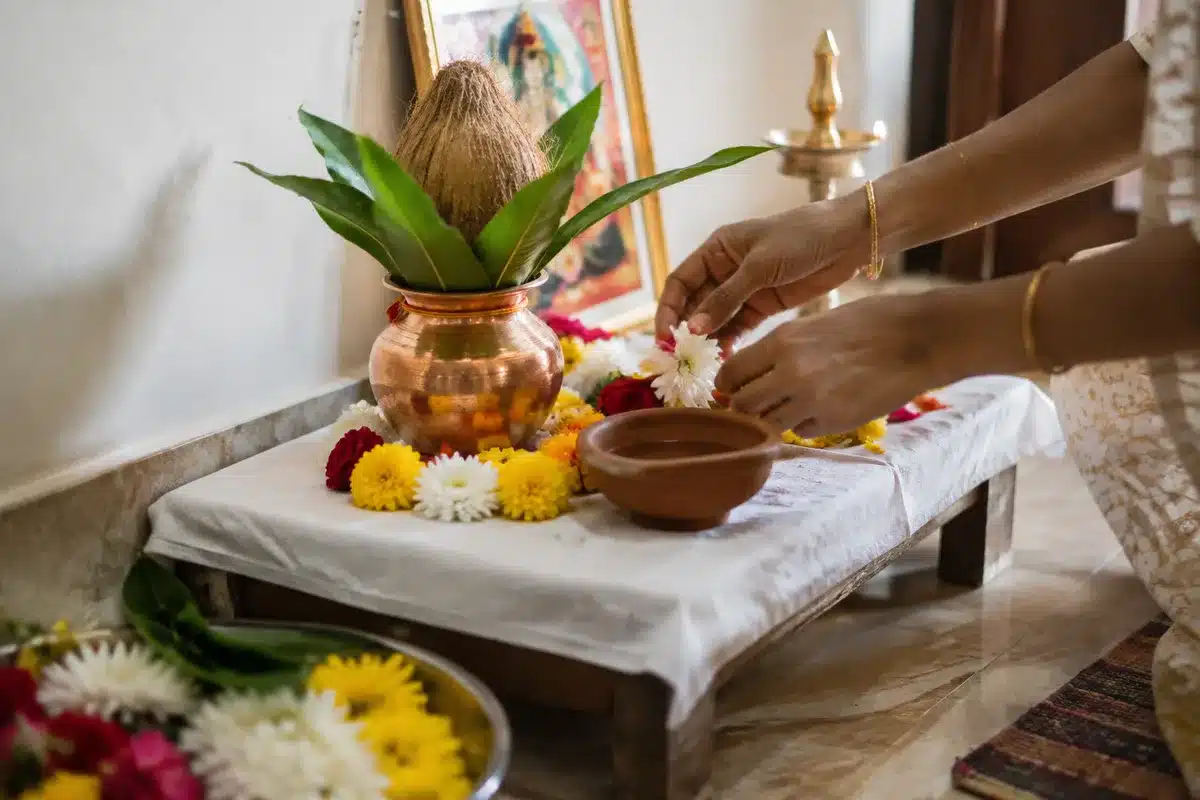
- A quiet, clean spot at home — a small diya and fresh flowers if you plan to participate remotely.
- A brief statement of intention: one simple, truthful sentence the priest can use in the sankalp.
On the day of the puja, treat the time as you would if you were at the shrine: pause other tasks, listen carefully when the sankalp is spoken, and many devotees find it meaningful to hold a little water in their right hand while their name and gotra are pronounced. For those living abroad, hearing your name recited in the temple — even over a video link — is often the closest feeling of presence.
Practicing these checks and preparations helps ensure that a remote puja is both spiritually significant and verifiable. When in doubt, contact the temple’s official support channels for clarification before you complete any payment.