Show summary Hide summary
October 2026 is unusually dense in religious observances and astrological shifts, making it a pivotal month for ritual calendars and personal planning. From the final days of Pitru Paksha into nine nights of Sharad Navratri, through Dussehra and Sharad Purnima, the month also sees Venus and Mercury turn retrograde and Jupiter change signs—events that affect festival timing and traditional observances.
Quick guide: how to use this calendar
All listed tithis, nakshatras and planetary timings refer to Delhi local time and are drawn from Drik Panchang. Tithi and nakshatra details reflect the phase running at sunrise and include the time each ends.
Sharad Purnima 2026: moonrise time and rituals for kheer and all-night vigil
Ugadi guide: crucial updates, dates and traditions to know today
Because Hindu days run from sunrise to the next sunrise, some observances may fall a day earlier or later in other cities—check your local panchang or consult your family priest before performing a puja or breaking a vrat.
October 2026 — key moments (at a glance)
- Oct 1–10: Final stretch of Pitru Paksha; Sarva Pitru Amavasya / Mahalaya on Oct 10.
- Oct 11–19: Sharad Navratri (Ghatasthapana on Oct 11); Durga Ashtami on Oct 19; Vijayadashami / Dussehra on Oct 20.
- Oct 25: Sharad Purnima (Kojagara); Oct 26 Ashwina Purnima.
- Oct 29: Karwa Chauth (moonrise times vary by city).
- Oct 31: Jupiter moves into Simha (Leo).
- Retrogrades: Venus retrograde begins Oct 3 (till Nov 14); Mercury retrograde begins Oct 24 (till Nov 13).

The sky this month: main planetary moves
- Venus: turns retrograde in Tula on Oct 3 (Delhi 12:45 PM).
- Sun: enters Tula (Tula Sankranti) on Oct 17 at about 7:57 PM.
- Mercury: turns retrograde in Tula on Oct 24 (Delhi 12:41 PM).
- Mars: remains in Karka (Cancer) all month (debilitated position in Vedic reading).
- Jupiter: exalted in Karka for most of October, then shifts into Simha on Oct 31 at 12:50 PM (Magha nakshatra).
- Saturn / Nodes: Saturn retrograde in Meena; Rahu in Kumbha, Ketu in Simha.
Practical note: many panchangs advise caution about muhurats for weddings and Griha Pravesh in October; if you need an auspicious date, confirm with your local astrologer.
Doshas and customary remedies — what tradition advises
A brief reminder: doshas such as Pitru, Mangal, Kaal Sarp or Shani effects are identified from an individual’s birth chart, not from month-to-month sky positions. Transit patterns do, however, suggest traditional practices families commonly adopt.
Common seasonal observances you may see this month:
- Pitru Paksha: tarpan (offering water and sesame), Shraddha rites and charity for ancestors during the fortnight; Sarva Pitru Amavasya covers those without precise ancestral tithis.
- Kaal Sarp / Rahu–Ketu concerns: devotees often turn to Shiva-related sadhana—Pradosh puja, Om Namah Shivaya japa—especially on significant Pradosh or Shivaratri nights.
- Mangal Dosha: with Mars debilitated in Karka, traditional remedies emphasise patience, Hanuman devotional practice on Tuesdays, and household calm rather than expensive “cures.”
- Shani observance: Saturdays are commonly marked by sesame oil lamps, charity and Hanuman recitations while Sade Sati and dhaiya effects are read relative to Moon signs.
- Retrogrades: Venus and Mercury retrograde periods are widely treated as times for review and revision rather than beginning major new contracts.
Daily calendar — highlights and observances
The following day-by-day entries list the tithi at sunrise, the nakshatra, sunrise and sunset for Delhi, Rahu Kalam window, and the main festivals or vrat commonly observed.
1–10 October: closing days of Pitru Paksha
Thu 1 Oct — Shashthi Shraddha. Krishna Panchami at sunrise; Rahu Kalam ~1:40–3:09 PM. Families with an ancestor who passed on Shashthi observe tarpan and a simple offering.
Fri 2 Oct — Saptami Shraddha. Krishna Shashthi at sunrise; Rahu Kalam ~10:41 AM–12:10 PM. A ghee lamp for the Devi is common on Fridays.
Sat 3 Oct — Ashtami Shraddha; Jivitputrika vrat for mothers; Venus turns retrograde in Tula at 12:45 PM. Rahu Kalam ~9:12–10:41 AM.
Sun 4 Oct — Navami Shraddha. Offerings to Surya with ancestors in mind are simple, accessible practices. Rahu Kalam ~4:35–6:04 PM.
Mon 5 Oct — Dashami Shraddha. The day runs with Pushya nakshatra and a Sarvartha Siddhi Yoga window (favourable in traditional panchang reading). Rahu Kalam ~7:44–9:13 AM.
Tue 6 Oct — Indira Ekadashi (fast day) and Ekadashi Shraddha during Pitru Paksha; Sarvartha Siddhi Yoga runs through the day. Rahu Kalam ~3:05–4:33 PM; parana (breaking the fast) on 7 Oct morning.
Wed 7 Oct — Dwadashi and Magha Shraddha (Magha associated with Pitris). Ekadashi parana window in the early morning; Rahu Kalam ~12:09–1:37 PM.
Thu 8 Oct — Trayodashi Shraddha; a notable pairing this month: Guru Pradosh and Masik Shivaratri fall together. Shivaratri nishita puja runs late night; Rahu Kalam ~1:36–3:04 PM.
Fri 9 Oct — Chaturdashi Shraddha; Amavasya begins after sunset—prepare for next day’s tarpan. Rahu Kalam ~10:41 AM–12:08 PM.
Sat 10 Oct — Sarva Pitru Amavasya (Mahalaya). Tarpan muhurats are given in the morning; Pitru Paksha concludes. Rahu Kalam ~9:13–10:41 AM.
11–19 October: Sharad Navratri
Sun 11 Oct — Ghatasthapana and start of Sharad Navratri; Shailputri puja. Morning Ghatasthapana muhurat runs (around sunrise to mid-morning); Rahu Kalam ~4:29–5:56 PM. Day 1 colour: orange.
Mon 12 Oct — Brahmacharini puja; Chandra Darshana (crescent-sighting) in the evening. Navratri day colour: white. Rahu Kalam ~7:47–9:14 AM.
Tue 13 Oct — Chandraghanta puja; Sindoor Tritiya observed in some regions. Navratri colour: red. Rahu Kalam ~3:00–4:27 PM.
Wed 14 Oct — Kushmanda puja; the day carries Sarvartha and Amrita Siddhi yogas in the panchang. Navratri colour: royal blue. Rahu Kalam ~12:07–1:33 PM.
Thu 15 Oct — Skandamata; Upang Lalita vrat noted. Thursday (Guru day) aligns with yellow, Jupiter’s hue. Rahu Kalam ~1:33–2:59 PM.
Fri 16 Oct — Katyayani puja and Saraswati Avahan (invocation ahead of Saraswati puja). Moon shifts signs early morning; Navratri colour: green. Rahu Kalam ~10:40 AM–12:06 PM.
Sat 17 Oct — Kalaratri and Saraswati puja (Mula nakshatra); Tula Sankranti — Sun enters Tula at ~7:57 PM. Tula Sankranti punya kala given in the afternoon. Rahu Kalam ~9:15–10:40 AM.
Sun 18 Oct — Drik’s calendar counts this as Navratri Day 8 due to tithi carryover; prepare for Ashtami rituals. Rahu Kalam ~4:23–5:49 PM.
Mon 19 Oct — Durga Ashtami and Maha Navami; Sandhi Puja window (transition between Ashtami and Navami) is the day’s focal ritual. Kanya puja and traditional offerings are common. Rahu Kalam ~7:50–9:15 AM.
20–24 October: Dussehra and Ekadashi week
Tue 20 Oct — Vijayadashami / Dussehra. Vijay muhurat afternoon; Ayudha Puja and Visarjan of the deity conclude Navratri; many regions perform Ravan Dahan at dusk. Rahu Kalam ~2:56–4:21 PM.
Wed 21 Oct — In Bengal, Vijayadashami is observed today (regional variation); Ekadashi tithi begins in the afternoon. Rahu Kalam ~12:05–1:30 PM.
Thu 22 Oct — Papankusha Ekadashi (Vishnu observance); parana next morning. Drik also notes the close of one Chaturmasa cycle. Rahu Kalam ~1:30–2:55 PM.
Fri 23 Oct — Ekadashi parana window; Shukra Pradosh in the evening (Pradosh puja after sunset). Rahu Kalam ~10:41 AM–12:05 PM.
Sat 24 Oct — Mercury turns retrograde in Tula at 12:41 PM (joins Venus already retrograde); astrologers advise review rather than new contracts. Rahu Kalam ~9:16–10:41 AM.
25–26 October: Full-moon observances
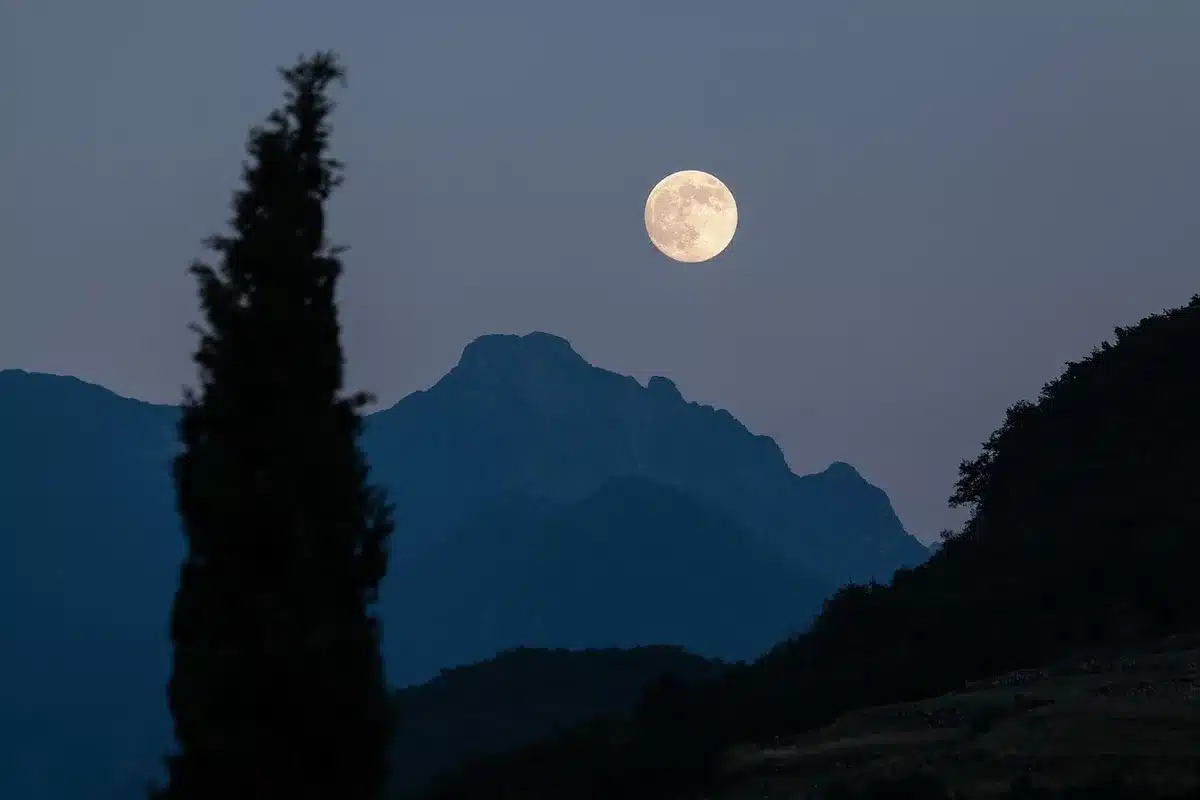
Sun 25 Oct — Sharad Purnima / Kojagara. Moonrise in Delhi around 5:00 PM; many households prepare kheer left under moonlight and perform Lakshmi puja and night vigils. Rahu Kalam ~4:18–5:42 PM.
Mon 26 Oct — Ashwina Purnima (snan and daan); Valmiki Jayanti and Meerabai Jayanti are observed. Rahu Kalam ~7:53–9:17 AM.
27–31 October: Kartika begins, Karwa Chauth and Jupiter’s ingress
Tue 27 Oct — Kartika month begins in the purnimanta scheme used in North India; evening lamps and Tulsi worship traditionally increase through Kartika. Rahu Kalam ~2:52–4:16 PM.
Wed 28 Oct — A Sarvartha Siddhi Yoga day in the panchang; a quiet day before Karwa Chauth. Rahu Kalam ~12:05–1:28 PM.
Thu 29 Oct — Karwa Chauth: puja muhurat around evening and moonrise (moonrise for Delhi ~8:17 PM; local times vary). The day also carries Vakratunda Sankashti Chaturthi, broken at moonrise. Rahu Kalam ~1:28–2:51 PM.
Fri 30 Oct — A relatively calm Panchami tithi day; with Venus retrograde, small acts of gratitude and household care are encouraged. Rahu Kalam ~10:41 AM–12:05 PM.
Sat 31 Oct — Jupiter enters Simha at 12:50 PM (Magha nakshatra). The planet leaves its exaltation in Karka for a short stay in Simha; Saturday ritual traditions for Shani remain observed. Rahu Kalam ~9:18–10:41 AM.
Context and practical takeaways
This month combines ancestor rites, goddess worship, major public festivals and notable planetary retrogrades—so two practical points matter for readers today:
- Check local sunrise, sunset and moonrise times before scheduling a puja or breaking a fast; festival tithis can shift across time zones and cities.
- Astrological counsel aside, accessible observances—lighting a lamp, feeding someone in need, or a short daily devotion—are the traditions most often recommended across regions.
Allow this calendar to be a working map rather than a rigid rulebook: the rituals you can truly keep and the small practices you carry through the month are what sustain tradition in daily life.