Show summary Hide summary
In the summer of 1971, a crisis in South Asia prompted an unlikely music industry mobilization: George Harrison transformed a friend’s plea into what became the first major rock charity concert, reshaping how artists respond to humanitarian disasters. The Concert for Bangladesh not only raised funds and global awareness about a brutal conflict, it created a template for benefit events that endures today.
From studio plans to an emergency benefit
George Harrison had just released All Things Must Pass and intended to pause recording to help Ravi Shankar finish the soundtrack for the film Raga. When Harrison visited Shankar in Los Angeles, he encountered something far more urgent than a stalled soundtrack: news of mass violence and a refugee crisis unfolding in East Pakistan (now Bangladesh).
Sharad Purnima 2026: moonrise time and rituals for kheer and all-night vigil
Ugadi guide: crucial updates, dates and traditions to know today

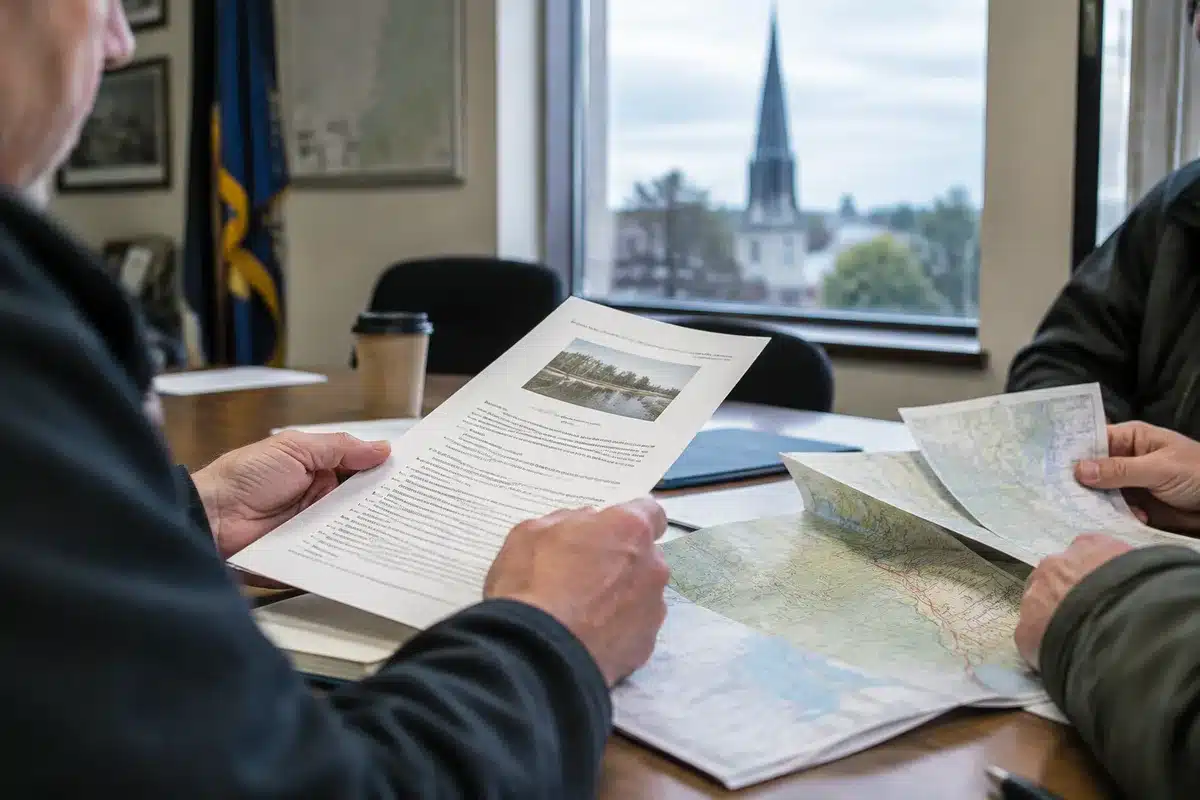
Political tensions had escalated into a campaign of state repression and violence against civilians. Millions fled into neighboring India, where overcrowded refugee camps faced shortages of food, medicine and shelter. As a respected musician and a Bengali by heritage, Ravi Shankar sought a practical response — he asked Harrison to help raise funds and attention for relief efforts.
Turning a modest appeal into a global event
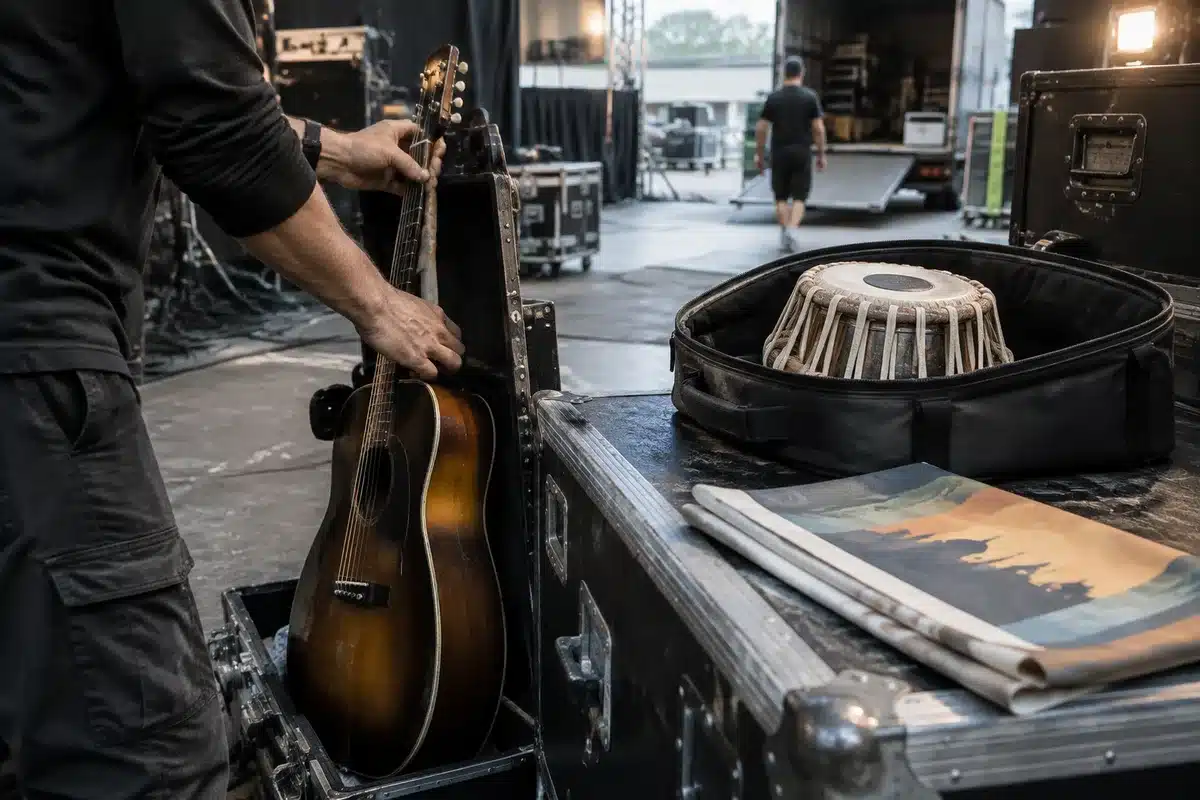
Harrison, despite his aversion to the spotlight, agreed. He believed a concert, recorded and released as a film and album, could do far more than a local fundraiser. Over the next weeks he recruited top musicians, persuaded them to perform without pay, and organized a large-scale event at New York’s Madison Square Garden.
The roster was notable for its range: established stars and collaborators showed up despite personal and professional obstacles. The event assembled a 24-piece ensemble that included former Beatles, rock guitar luminaries and session stalwarts — all united by a single humanitarian purpose.
On August 1, 1971, more than 40,000 people attended two sets at the Garden. Harrison debuted the song “Bangla Desh,” a direct musical appeal for public help, and the concert was filmed and recorded for wider release.
Impact, complications and legacy
The immediate financial numbers were mixed. Ticket receipts totaled roughly $243,000, while film and record sales would later add millions. But a crucial administrative oversight — failure to secure tax-exempt status at the outset — delayed disbursement. Much of the raised money became entangled with the U.S. Internal Revenue Service and did not reach relief programs until years later.

Still, the event achieved something the original appeal could not: it brought global attention to a humanitarian catastrophe overnight and proved that popular music could mobilize public sentiment and resources for international crises.
- Event: Concert for Bangladesh
- Date: August 1, 1971
- Venue: Madison Square Garden, New York City
- Organizers: George Harrison and Ravi Shankar
- Notable performers: A 24-piece band including former Beatles collaborators, Eric Clapton, Billy Preston, Leon Russell and others
- Funds raised at box office: Approximately $243,000 (with later revenues from records and film)
- Long-term channel: Proceeds contributed to the George Harrison Fund for UNICEF
Why it still matters
Beyond the money, the Concert for Bangladesh altered expectations: artists could be catalysts in humanitarian response, leveraging audience reach, recordings and film to extend impact. The model influenced later charitable concerts such as Live Aid and Farm Aid, and also forced organizers and non-profits to pay closer attention to legal and financial frameworks for aid distribution.
For Harrison personally, the project reflected a broader evolution. His musical collaborations with Shankar had opened a spiritual and cultural pathway that shaped his post‑Beatles work — from devotional songs to formal humanitarian commitments. The concert was both a culmination of that relationship and a practical outgrowth of it.
Today, recordings and archival releases from the event continue to support relief programs through the fund Harrison established. The Concert for Bangladesh remains a case study in the power and limits of celebrity-driven relief: it shows how visibility can drive urgent action, while also underscoring the need for careful planning so funds reach beneficiaries promptly.
Seen against current crises around the world, the Concert for Bangladesh is a reminder that artistic influence can be redirected toward urgent human needs — and that the mechanics of giving matter as much as the goodwill behind it.