Show summary Hide summary
Ratan and Nimmo Bhagat recently turned a private reunion into a vivid travel diary, recounting a week across Lima’s coast, the Sacred Valley and Machu Picchu. Shared at the Oct. 2 soft opening of Nirvana’s new Memorial-Kirkwood location, their story highlights more than tourist sights — it underscores how immersive cultural travel is reshaping post-pandemic itineraries and local economies.
From Pacific cliffs to highland stonework
The couple’s itinerary began in Lima, where ocean views and colonial squares set a contrasting tone before they climbed into the Andes. Their group — long-time college friends traveling with private guides and four-star accommodations — moved deliberately from lower coastal humidity into the cool, thin air of the highlands.
In the Sacred Valley and around Cusco they visited a sequence of sites that illustrate how the Inca engineered landscapes for practical and ceremonial life: terraces, salt pans and agricultural experiments that still function today.
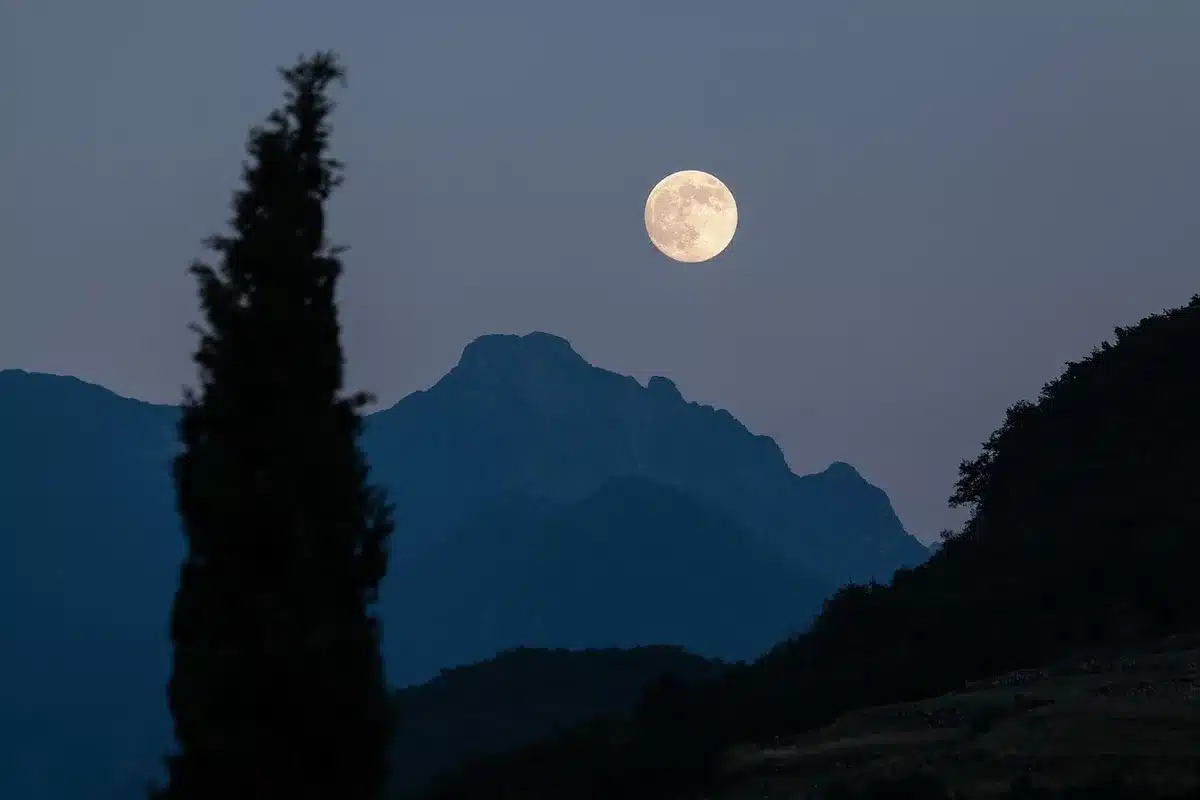
Sharad Purnima 2026: moonrise time and rituals for kheer and all-night vigil
Ugadi guide: crucial updates, dates and traditions to know today
Key stops and what made them noteworthy
- Ollantaytambo — A living Inca town centered on massive stone terraces and the Templo del Sol, where granite blocks form imposing gateways at about 2,886 meters above sea level.
- Maras — Thousands of shallow salt pools carved into a hillside, still harvested using centuries-old techniques.
- Moray — Circular terraces that create distinct microclimates; modern researchers study them to understand ancient agricultural adaptation.
- Vistadome train — A panoramic rail link from Ollantaytambo to Aguas Calientes, prized for river-valley vistas and fast access to Machu Picchu.
- Machu Picchu — The UNESCO-protected citadel, experienced in late afternoon light that emphasizes the precision of Inca stone fitting and the site’s sacred layout.
The trip combined sightseeing with quieter moments: browsing handicraft stalls, sitting in village cafés and sharing meals that connected the travelers directly to local producers and artisans.
Architecture, art and local faith
Back in Cusco, the group spent time at Saqsaywaman, the 15th-century fortress whose interlocking stones—some weighing many tons—demonstrate seismic-aware construction techniques. Walking the Plaza de Armas revealed a different layer: the fusion of Andean belief and Catholic iconography visible in church art and gilded altars.
Among the curiosities they encountered were regional devotional paintings, including depictions of a Black Christ — a reminder of how religious expression was adapted and localized over centuries.
Practical takeaways for travelers
- Acclimatization: Plan gradual altitude gain — much of the Sacred Valley lies above 2,800 meters.
- Timing: Afternoon light at Machu Picchu brings out architectural details and is often less crowded than morning windows.
- Transport: Scenic train options like the Vistadome add both convenience and landscape access without the need for long road transfers.
- Local engagement: Stopping in villages and markets supports artisans and gives a fuller picture of contemporary Andean life.
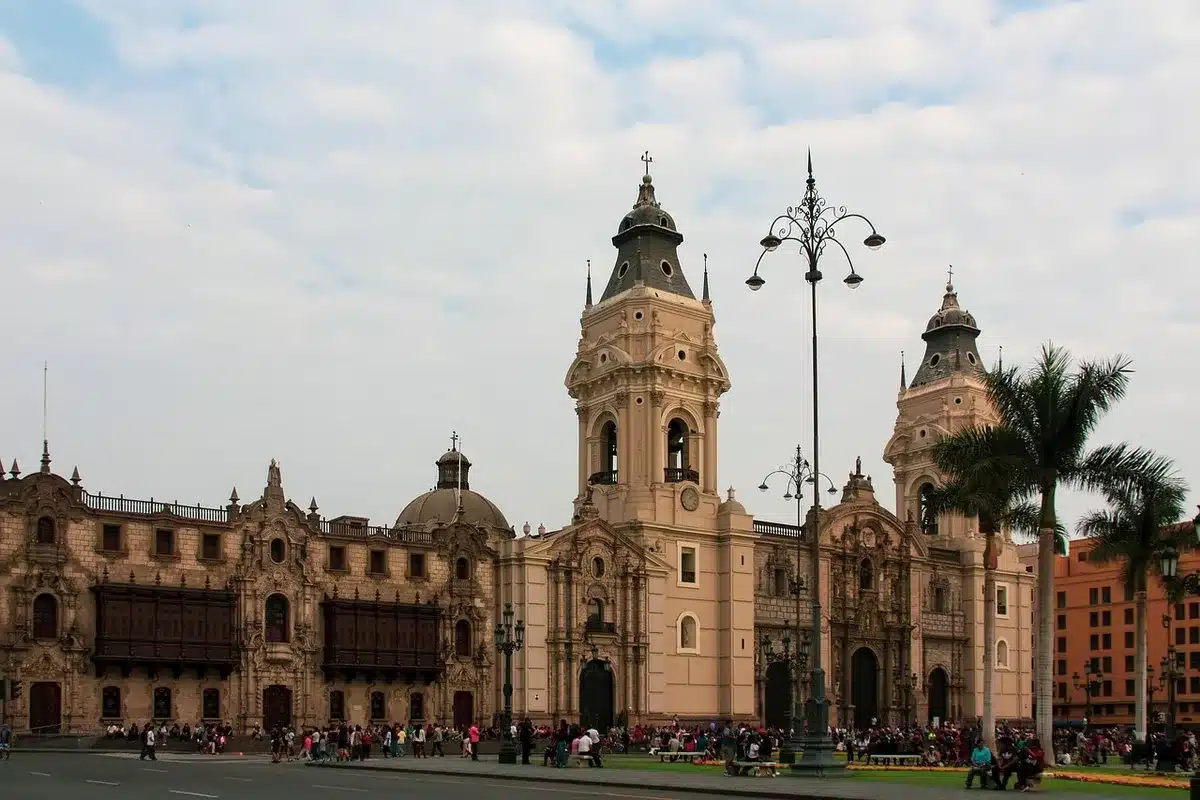
Returning to Lima, the travelers revisited colonial landmarks — the Cathedral where Francisco Pizarro is buried, the Government Palace and the bustling central plaza — before ending their trip with classic Peruvian dishes such as fresh ceviche and a Pisco Sour.
The Bhagat travelogue, presented at a semi-annual meeting of the Connoisseurs Club, also served a social purpose: members share stories and regional spirits, keeping communal ties alive while promoting a deeper understanding of the places they visit. For readers considering a similar itinerary, their account highlights how curated logistics — private guides, measured pacing, and selective hotel choices — can turn a list of monuments into a layered cultural experience.
For travelers and observers, the story matters now: as international tourism returns to pre-pandemic levels, how visitors engage with heritage sites will shape conservation priorities and local livelihoods. The Bhagat trip is a reminder that responsible planning and meaningful interactions can create memorable journeys that also benefit the communities being visited.