Show summary Hide summary
Meera, a Houston mother and full-time caregiver, is seeking a living kidney donor after three decades of managing lupus that ultimately left both kidneys unable to function. With close relatives ineligible to donate, she and her family are asking the public for help — and organizers say any donor’s medical and related expenses would be covered.
She lives in Houston with her husband and their 15-year-old daughter, who is a sophomore in high school. Meera also helps care for elderly parents who split their time between Washington and Texas.
Medical background and immediate need
Sharad Purnima 2026: moonrise time and rituals for kheer and all-night vigil
Ugadi guide: crucial updates, dates and traditions to know today
Diagnosed with lupus in early adulthood, Meera’s condition progressed over many years and caused irreversible damage to her kidneys. She now requires a kidney transplant to avoid the further health risks and lifestyle limitations of ongoing organ failure.
Family members who volunteered to donate were ruled out because of incompatible blood types or preexisting conditions, according to information provided by the family.
What a living donation would mean
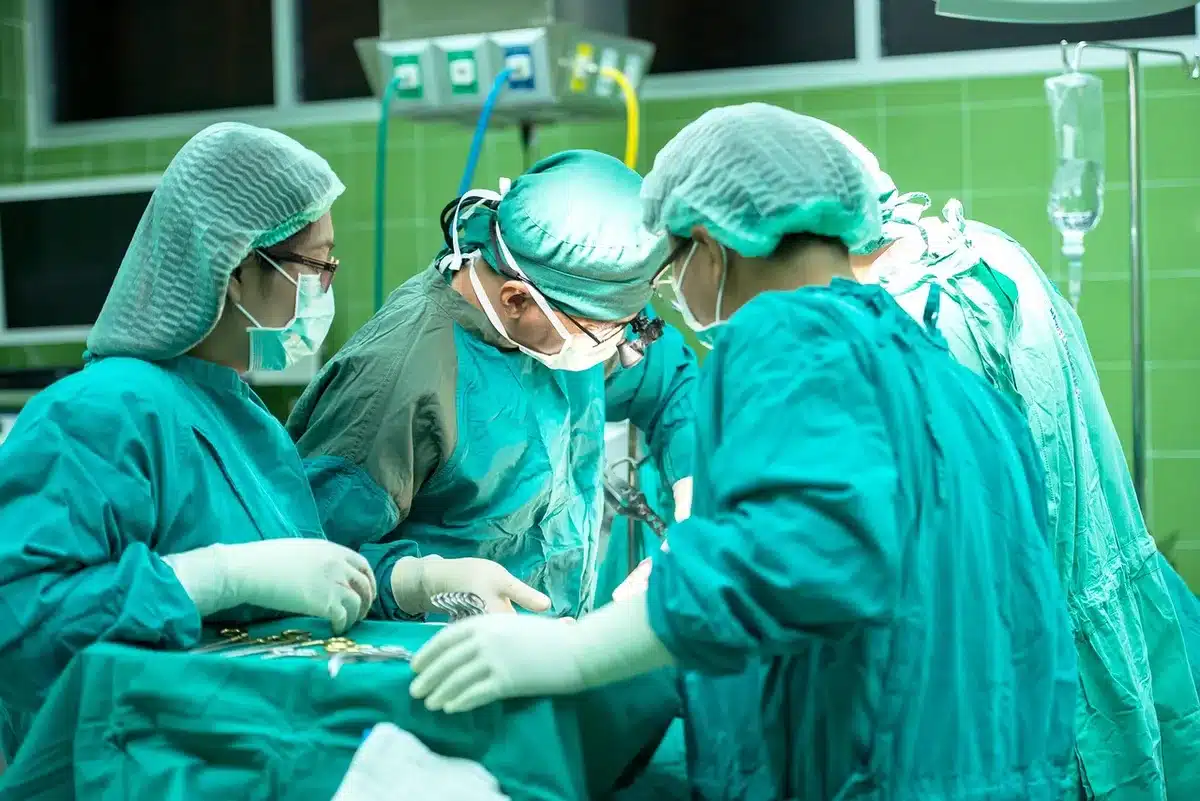
A successful living donation typically shortens wait time compared with remaining on a deceased-donor list and can improve outcomes for the recipient. For the donor, recovery is usually measured in weeks rather than months, but surgery and follow-up care are required.
| Key detail | Information |
|---|---|
| Patient | Meera — Houston resident, wife, mother of a 15-year-old |
| Condition | Lupus with end-stage kidney failure |
| Donation type sought | Living donor kidney transplant |
| Family donors | Attempted but disqualified (blood type/health issues) |
| Costs | Organizers state hospital, medical and incidental costs will be covered |
| Contact | Call: 832-907-7007 — Info: www.nkr.org/YEV888 |
If you are considering donation or want to learn more, the family asks that you first contact the number above or visit the page listed. Conversations can be handled confidentially and will provide medical screening steps, timelines and what support donors would receive.
- Learn the facts about living kidney donation: surgical risks, recovery time and long-term outcomes.
- Ask for independent medical counseling before deciding.
- If you cannot donate, sharing Meera’s story on social media or by email can expand reach and increase the chance of finding a match.
At stake is more than a medical procedure: a successful transplant would restore Meera’s daily independence and allow her to continue caring for her family. For those willing to explore donation, the family’s point of contact remains the quickest way to get verified information and begin the screening process.