
Show summary Hide summary
Across India, itinerant ascetics remain a visible part of public life — at riverside ghats, pilgrimage sites and large festivals — and their presence matters now as much for culture and tourism as for religion. With growing attention from visitors and social media, understanding who a genuine ascetic is, how they fit into Hindu life stages, and what their practices signify helps avoid misunderstanding and exploitation.
What a sadhu means today
The word commonly translated as “holy man” in English refers to someone who has chosen to step away from ordinary domestic life to pursue spiritual practices. A true practitioner places inner discipline and devotion above material goals, often living on donations and teaching or guiding others when asked.
Diwali 2026 messages: must-send English and Hindi lines for family
Selfless giving boosts happiness: how helping others without expecting returns improves well-being
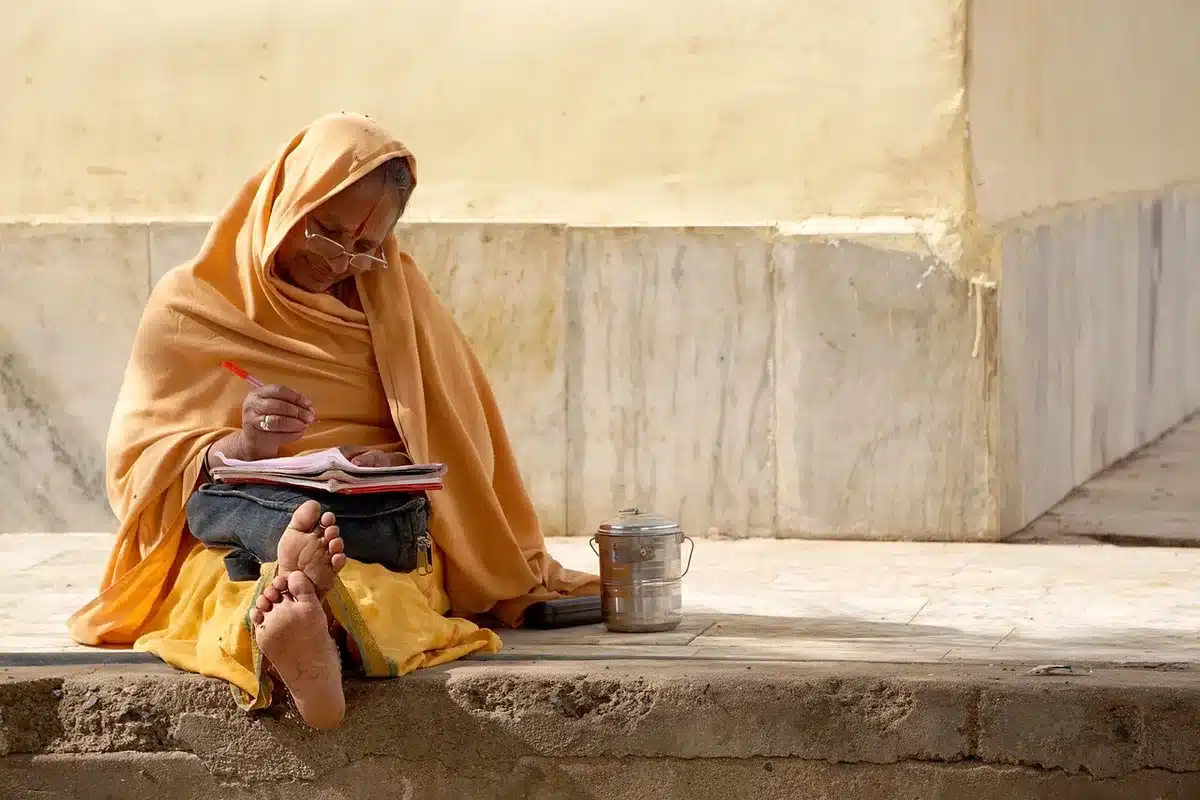
Not all who adopt the outward signs of renunciation point to the same role. Some are solitary meditators; others lead small communities or serve as teachers. The label can cover a wide range of commitments and customs.
Life stages and the route to renunciation
Classical Hindu texts outline four broad stages of life meant to guide ethical and spiritual development. These stages are designed to shift focus gradually from learning and family responsibilities toward withdrawal and contemplation.
Typically, the sequence moves from student life to householder duties, then to partial retirement and finally to full renunciation — the phase often associated with becoming a wandering ascetic. But texts and lived practice allow flexibility: people may embrace renunciation at different ages and for a variety of personal reasons.
Common titles and what they imply
Honorifics used for spiritual figures indicate different roles and reputations, not a single uniform status. Below are some frequently heard terms and how they are most often understood:
- Guru — a teacher who guides students out of ignorance through instruction and example.
- Rishi — traditionally, a seer or inspired poet who transmits insight through hymns and writings.
- Swami — a title suggesting mastery over the senses and a life oriented toward discipline.
- Pandit — someone recognized for scholarly learning in scriptures or ritual practice.
- Acharya — a respected preceptor known for both teaching and practicing a particular tradition.
These labels can overlap, and the same person may be called by different titles in different communities.
Sects, visible practices and why they differ
Within the broad world of renunciants, the largest distinctions are often between followers of Vishnu (commonly called Vaishnava) and those oriented toward Shiva (Shaiva). Each current has its own rituals, dress codes and daily habits.

Some ascetics keep their heads closely shorn and maintain strict cleanliness. Others wear matted hair, smear ashes on their bodies, or adopt austerities that appear extreme to outsiders. These visible practices are rooted in symbolism: they can be tools to break attachment, challenge social conventions, or signal devotion to a particular deity.
Millions of people participate in thousands of traditions across South Asia, so appearances alone are not a reliable measure of spiritual depth.
How to tell if an ascetic is genuine
Titles and robes are easy to imitate; behavior is more revealing. Several practical markers can help distinguish sincere practitioners from charlatans:
- Humility and patience in interaction, rather than demands for obeisance.
- Consistent lifestyle over time, not sudden displays linked to money or publicity.
- A willingness to teach or advise without coercion; respect for patrons rather than exploitation.
- Evidence of study or long-term practice within a recognised lineage or community.
When in doubt, look for steadiness and compassion. Those traits are characteristic of people committed to spiritual practice rather than personal aggrandizement.
Practical notes for travellers and seekers
Encountering ascetics in public spaces is common at historic temples, pilgrimage fairs and riverbanks. If you wish to interact:
- Approach with courtesy; ask permission before taking photos.
- Offer small donations only when given consent; avoid giving money as a test of authenticity.
- Be mindful of cultural sensitivities around touch and religious objects.
These simple precautions protect both visitors and the ascetics themselves, and help preserve the integrity of practices that are important to many communities.
Choosing the path: how one becomes a renunciate
For those who seriously consider formal renunciation, the usual route begins with a clear inner commitment and the guidance of an experienced teacher. Service — or seva — is often the first tangible step: assisting a teacher or community so that humility and discipline can develop.
If a teacher accepts a student, training typically combines study, ritual discipline and practical tasks. Over time and with sustained practice, the aspirant may take vows and enter a recognized order. The process is rarely abrupt; it usually requires consistent demonstration of sincerity and capacity for responsibility.
In modern contexts, the path can look different from classical descriptions, but the core requirement endures: a steady intention to prioritize spiritual goals over personal gain.
Understanding these distinctions matters now because increased mobility, tourism and online attention have amplified both interest and misunderstanding. Recognizing the social roles, ethical concerns and lived variety among ascetics equips readers to engage respectfully and thoughtfully.