
Show summary Hide summary
Across temples and living rooms, daily Hindu worship remains an active, adaptive practice — and its forms matter now as more people carry rituals into their homes. Understanding the meaning and sequence of a traditional puja clarifies why many devotees still set aside time for these rites and how the core elements translate into simpler, modern routines.
At its heart, ritual worship in Hindu traditions is a disciplined method for focusing the body and mind toward the Divine. Whether conducted with elaborate temple rites or a single lamp at a home altar, these ceremonies are designed to channel devotion, attention and memory into a repeated practice that cultivates connection and ethical intent.
Core concepts: image, presence and practice
Govardhan Puja 2026: Annakut draws pilgrims as parikrama and special darshans kick off
Diwali: crucial updates on travel, markets and celebrations
A central feature of Hindu worship is the murti — an object or image that serves as a focal point for devotion. Devotees do not treat the murti as a limit on the Divine; rather, it is a practical aid that helps concentrate attention, evoke attributes of a chosen deity and make ritual interaction possible.

When a murti is consecrated in a ritual such as prāṇa-pratiṣṭhā, priests invoke the Divine presence into the image; at the close of some cycles, that presence is ritually released in a process often called visarjana. These rites underscore a recurring idea in Hindu practice: forms matter as tools, not as literal containers of God.
How a typical puja is arranged
There is great variety across regions and lineages, but many pujas follow a recognized sequence called the Shodashopachara — literally “sixteen acts of homage.” The sequence can be adapted: a full ceremonial puja may take hours and involve a priest, while a daily household observance might include only a handful of actions.
- Preparatory gestures — cleansing the altar and oneself, arranging flowers and offerings.
- Invocation — meditative remembrance and an āvāhana (inviting the deity to be present).
- Five-sense offerings — the pancha upachara, which match ritual actions to touch, hearing, smell, sight and taste.
- Service — bathing, clothing and dressing the murti in symbolic hospitality.
- Offerings and praise — songs, mantras, incense, lamp-lighting and food presented to the deity.
- Sending forth — pranāma, circumambulation (pradakṣiṇā) and formal closing before the deity is respectfully released.
Pancha upachara: senses and symbolic offerings
One compact way to understand the sequence is through the five-sense framework that underpins many pujas. The following table summarizes how sense, offering and intent are traditionally paired.
| Sense | Typical Offering | Ritual Role |
|---|---|---|
| Touch | Sandal paste, turmeric, vermilion | Anointing and consecration of the image |
| Hearing | Chanting names, hymns, bell | Invoking attention and blessing through sound |
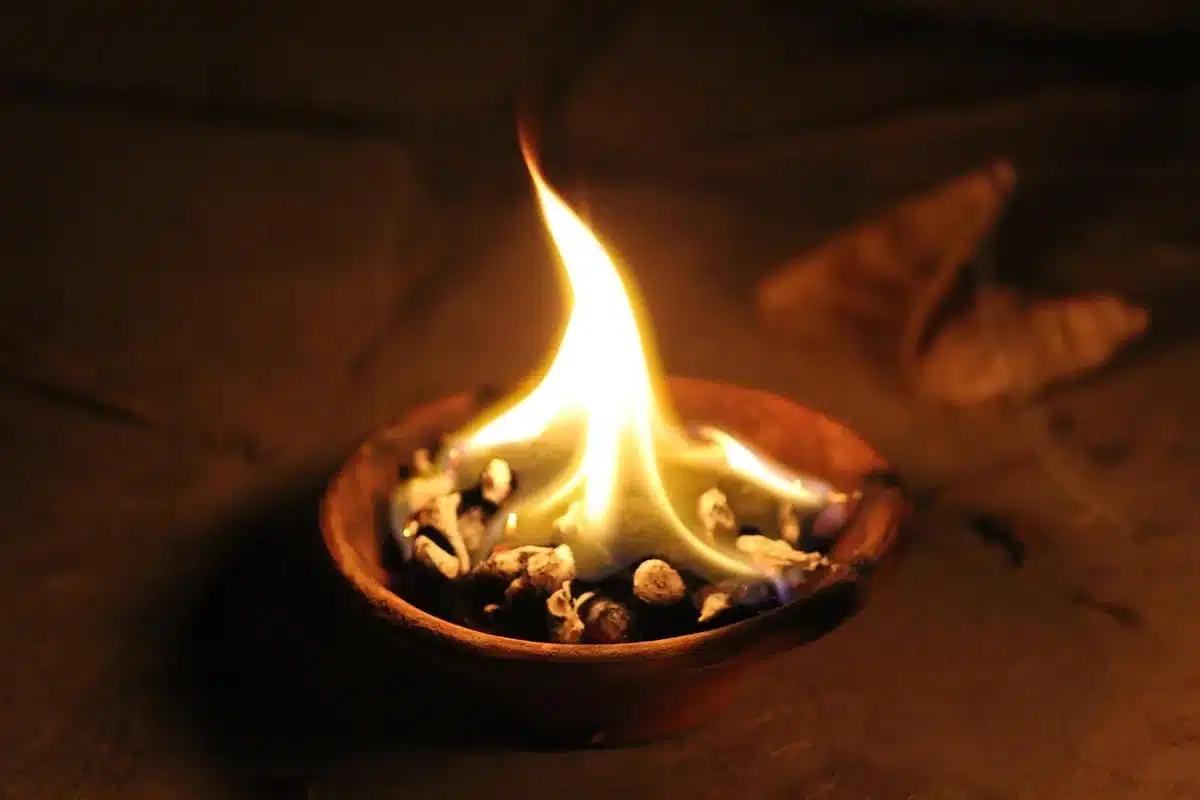
| Smell | Incense (dhoop) | Purification and creating a sacred atmosphere |
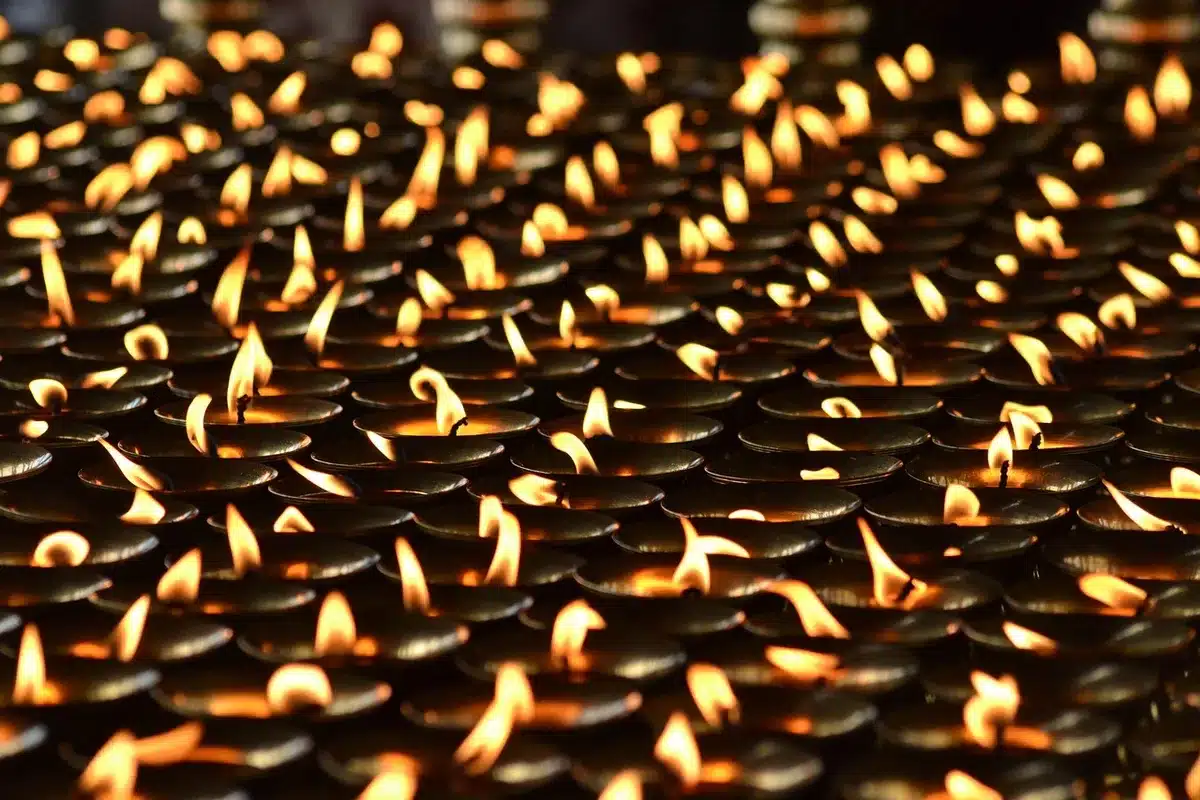
| Sight | Oil or ghee lamps (deepa) | Illumination as a sign of knowledge over ignorance |
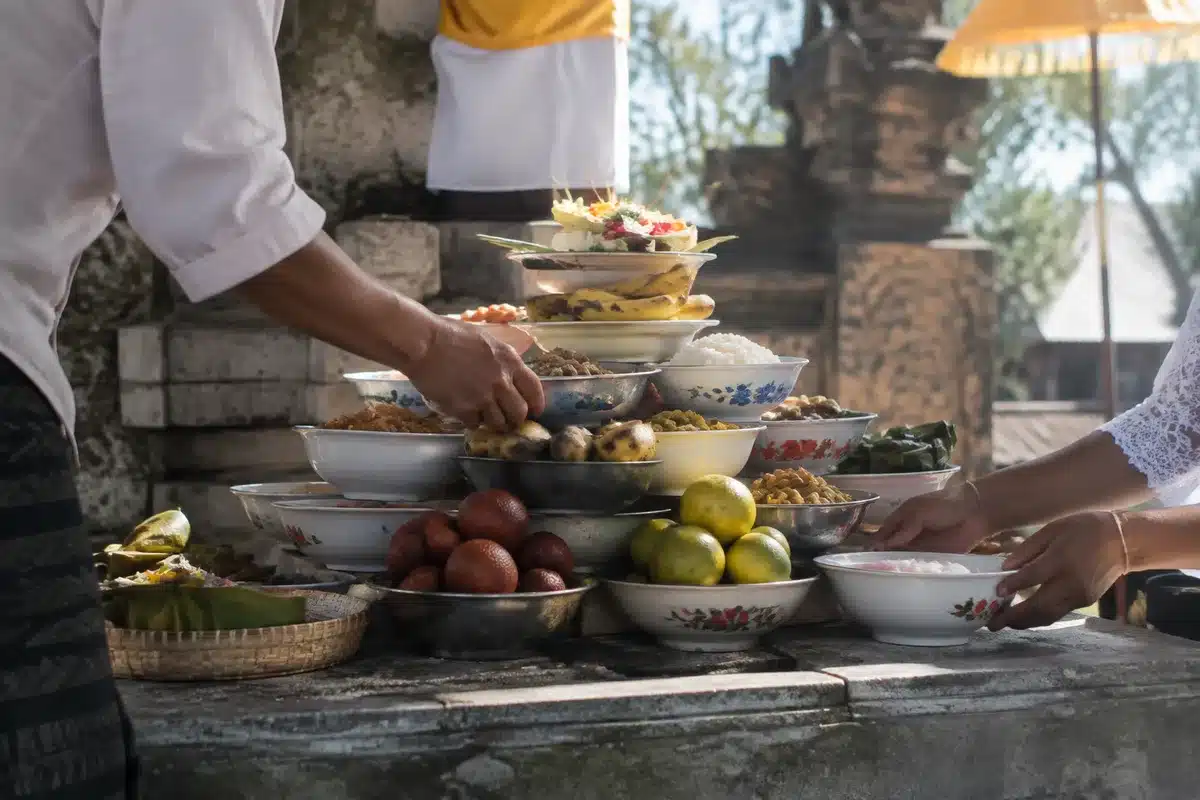
| Taste | Food offerings (naivedya) | Sharing sustenance that is later distributed as prasāda |
Practical steps for a simple home puja
For many households today, a practical, shorter routine keeps the tradition alive without requiring a specialist. A concise home sequence often looks like this:

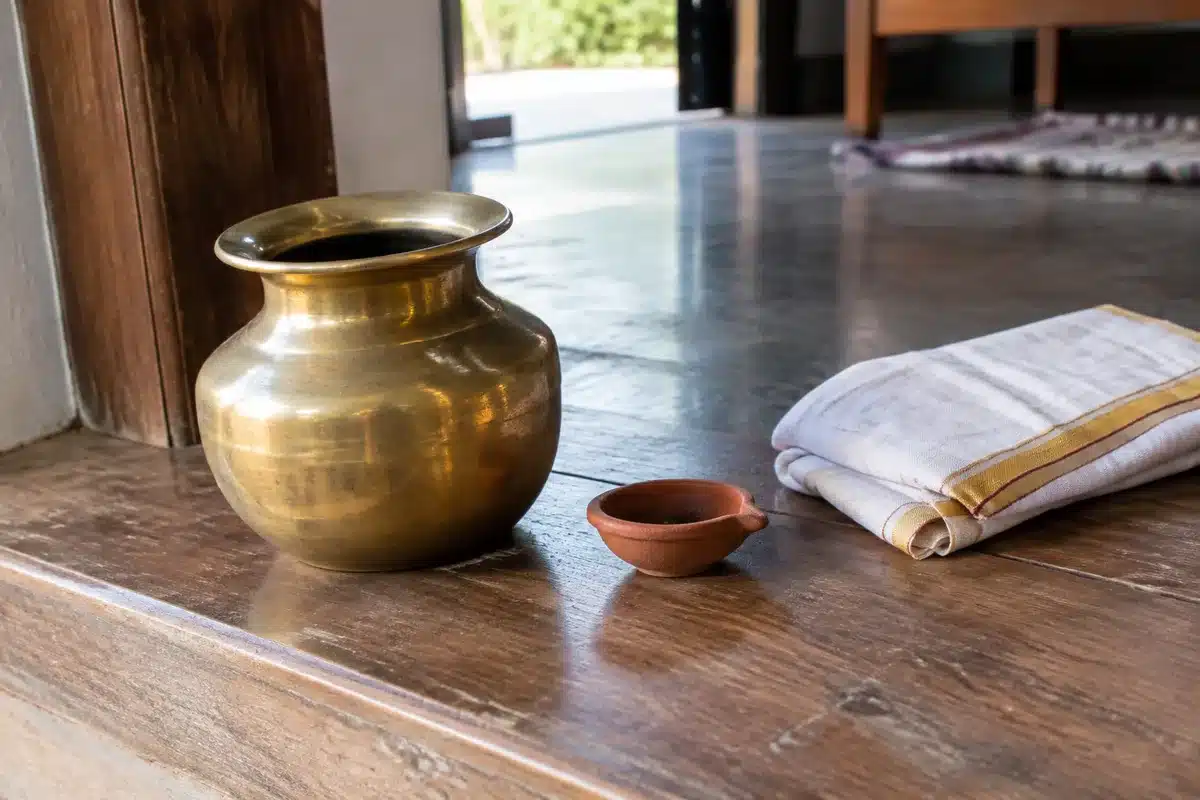
- Clean the altar and place the murti or image on a tidy cloth.
- Begin with a brief purification (āchamanam) and a short breathing practice (prānāyāma) to center attention.
- Light a lamp (deepa) and incense; ring a bell to mark the start.
- Offer a few flowers and a small portion of food (naivedya), while naming the deity or reciting a short mantra.
- Conclude with a short circumambulation or bow, and a closing dedication of action and intent.
These steps preserve the essential structure — invitation, service, offering, and farewell — while remaining accessible for a busy daily schedule.
Ritual meaning and contemporary relevance
Rituals such as puja function on multiple levels: they are devotional acts, methods for training attention, and social-cultural practices that mark important moments in family and community life. In modern diasporic and urban contexts, these rites also serve as a link to heritage and a way to teach younger generations about values and memory.
Importantly, scriptural sources that shape practice emphasise intention over complexity. As the Bhagavad Gita notes in Chapter 9, a simple offering made with sincerity — a leaf, a flower, fruit or water — is welcome when given in devotion. That guidance helps explain why puja remains adaptable and widely practiced.
Closing and a common dedication
Most pujas end with a short dedicatory verse that frames everyday actions as offerings, asking that whatever one does — in body, speech, mind or habit — be offered selflessly. This closing aligns ritual practice with an ethical aim: worship as a way to transform ordinary life into a continuous act of remembrance and service.
Whether performed in a temple or beside a kitchen shelf, a puja’s core purpose is unchanged: to focus devotion, invite calm reflection and renew a sense of relationship with the sacred.