Show summary Hide summary
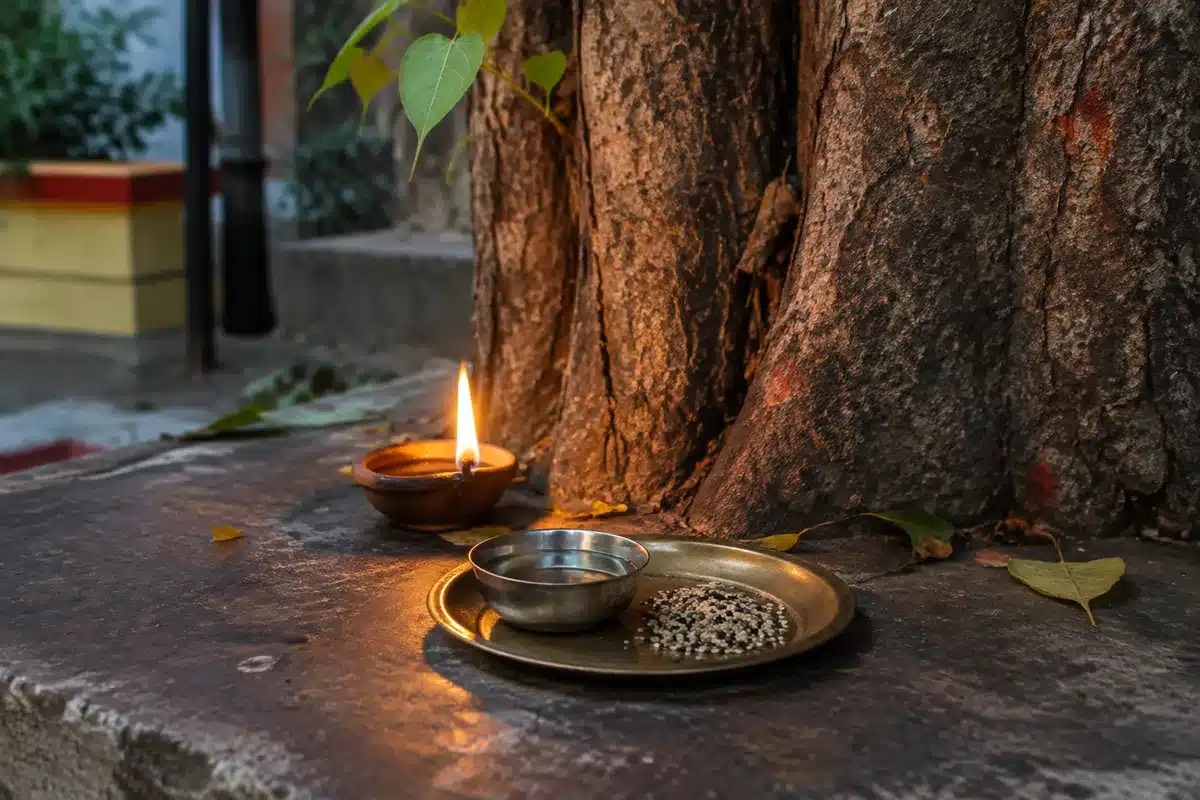
Across India and in Hindu communities worldwide, services conclude the same way: a lamp is circled before an image or sacred space, a bell rings, and people cup the warm light before touching their eyes or forehead. That gesture—known as the aarti—still matters: it links ancient fire rites to everyday moments of attention, community and calm in a fast-changing world.
Fire, speech and a living tradition
The practice goes back to Vedic rites in which fire served as an intermediary between humans and the divine. The name itself comes from Sanskrit roots connected with dispelling darkness, and over centuries temple ritual developed a specific lamp‑waving ceremony as one of the formal honors offered to a deity: arrival, cleansing, feeding and finally light.

Temples and large public aartis—most famously the evening Ganga Aarti in Varanasi—preserve the ceremonial form, while households keep a pared-down version suited to modern life. In recent years livestreams of major aartis and renewed interest in short daily rituals have brought the practice into new, urban contexts.
Somvati amavasya 2026: when it falls and quick rituals to mark it
Kashmir 30 years on: displaced communities recall the homes they left
The layers of meaning
- Flame: a visible sign of inner awareness. Classical texts often pair the lamp’s brilliance with the idea of awakened consciousness—offering the light is an invitation to see and be seen.
- Circular motion: tracing the lamp clockwise echoes celestial movement and places the sacred image at the ritual’s centre, underscoring order and continuity.
- Multiple wicks: arrays such as the traditional five‑wick lamp represent elemental forces and sensory faculties, returned in gesture to their source.
- Camphor: when used, it burns away cleanly; that quality has long been read as a metaphor for the dissolution of personal ego.
- Sound and song: bells, conches and hymns focus attention. The combined sensory cues—sight, sound, smell—guide participants into a single shared moment.
What the ritual does in practice
People today often ask for a “scientific” explanation. Without overstating claims, the observable effects are clear: synchronized movement, a shared focal point of warm light and familiar song concentrate attention and create a sense of togetherness that social scientists link to ritual cohesion. For families, a short evening aarti functions as a communal pause—time set aside to be present with one another.
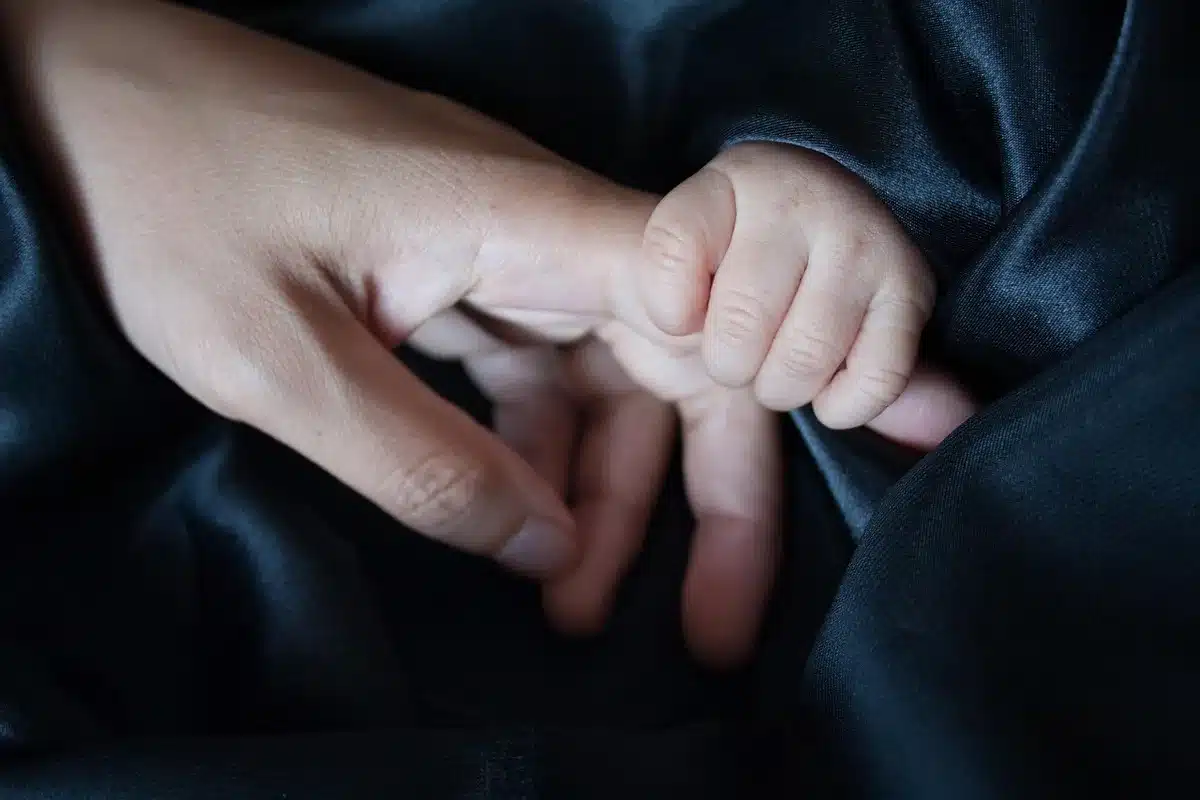
Those outcomes have contemporary consequences. In crowded, mobile societies a small, repeatable ceremony can anchor identity, reduce stress and reinforce intergenerational ties. When major aartis are broadcast online, the ritual’s social reach extends beyond the temple steps, shaping how people outside their local community connect to place and tradition.
The closing gesture
The moment when the lamp is offered back to the congregation—hands warmed by the flame, then brought to the eyes or forehead—encapsulates the ritual’s intent. It’s not simply lighting; it’s a symbolic transfer. In essence, the ceremony points toward the person standing before the light: may your perception be illumined.
Bringing a simple aarti into your home
For those interested in a modest practice, the essentials are few and adaptable. The value lies in regularity more than complexity.
- One small lamp or candle
- A short hymn or familiar song
- A minute or two of silence afterward to breathe and notice
Done daily, this routine performs both a cultural and practical function: it marks time, gathers attention, and offers a moment of calm in the evening. Whether performed solo, with family, or witnessed online, the aarti remains a ritual about attention—lighting something outward to stir what is inward.