Show summary Hide summary
As more Hindu families navigate deaths at home and abroad, traditional funeral practices are adapting to public-health rules, environmental concerns and changing family structures. Understanding these rituals explains not just what happens after death, but how communities balance spiritual beliefs, legal limits and modern life.
What the rituals aim to do
At the center of Hindu funerary practice is the idea that the individual soul continues beyond the body. The ceremonies are designed to honor the deceased, support the bereaved and—importantly—to assist the soul’s onward journey. These aims shape a sequence of rites that combine practical tasks with symbolic acts.
Somvati amavasya 2026: when it falls and quick rituals to mark it
Kashmir 30 years on: displaced communities recall the homes they left
Different communities emphasize different goals: some focus on purification and release, others on ancestral continuity and family duty. Yet the same concerns—dignity for the dead, social cohesion for the living, and a correct passage for the soul—run through most variations.
Common steps in Hindu funerals
- Preparation of the body — Washing and simple dressing, often performed by close family members to show respect and complete final duties.
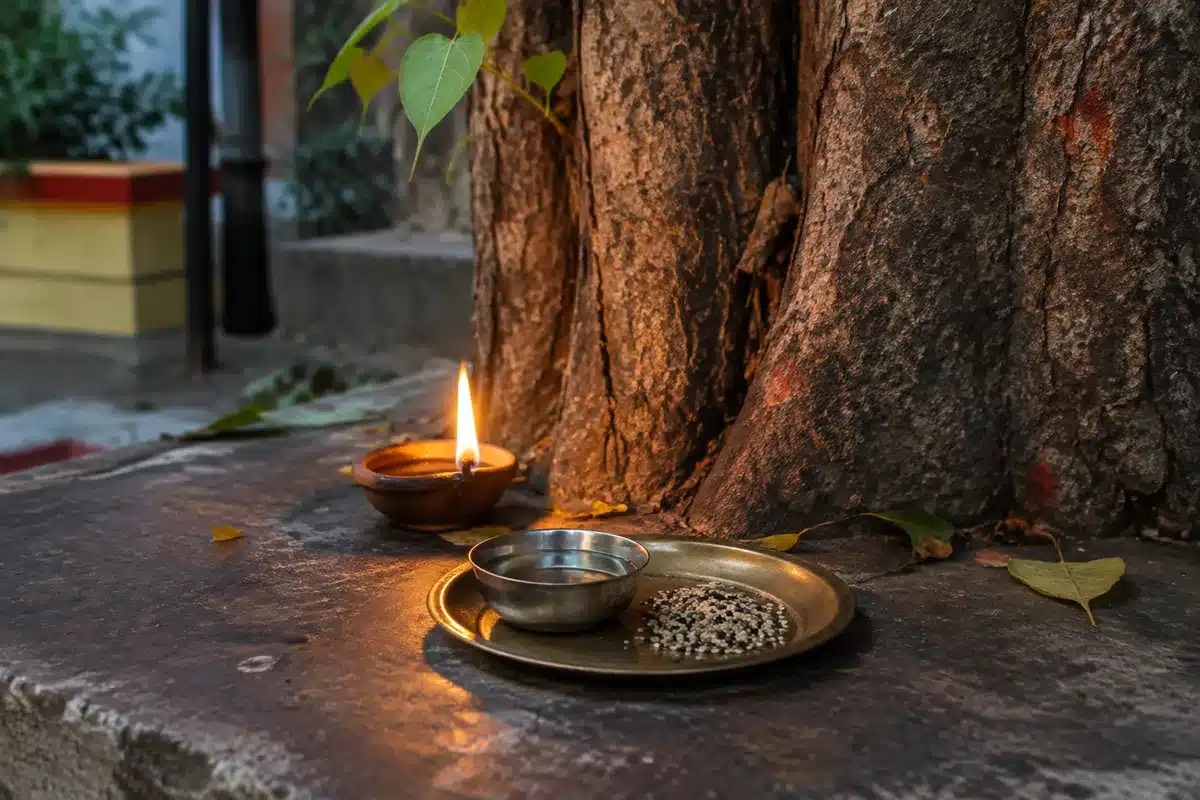
- Ritual observances — Short prayers, mantras or readings near the body; a lamp or simple offerings may be placed beside the deceased.
- Cremation — The most common practice, intended to liberate the body so the atman may continue its journey. In some regions burial is practiced for specific groups such as infants, ascetics or certain castes.
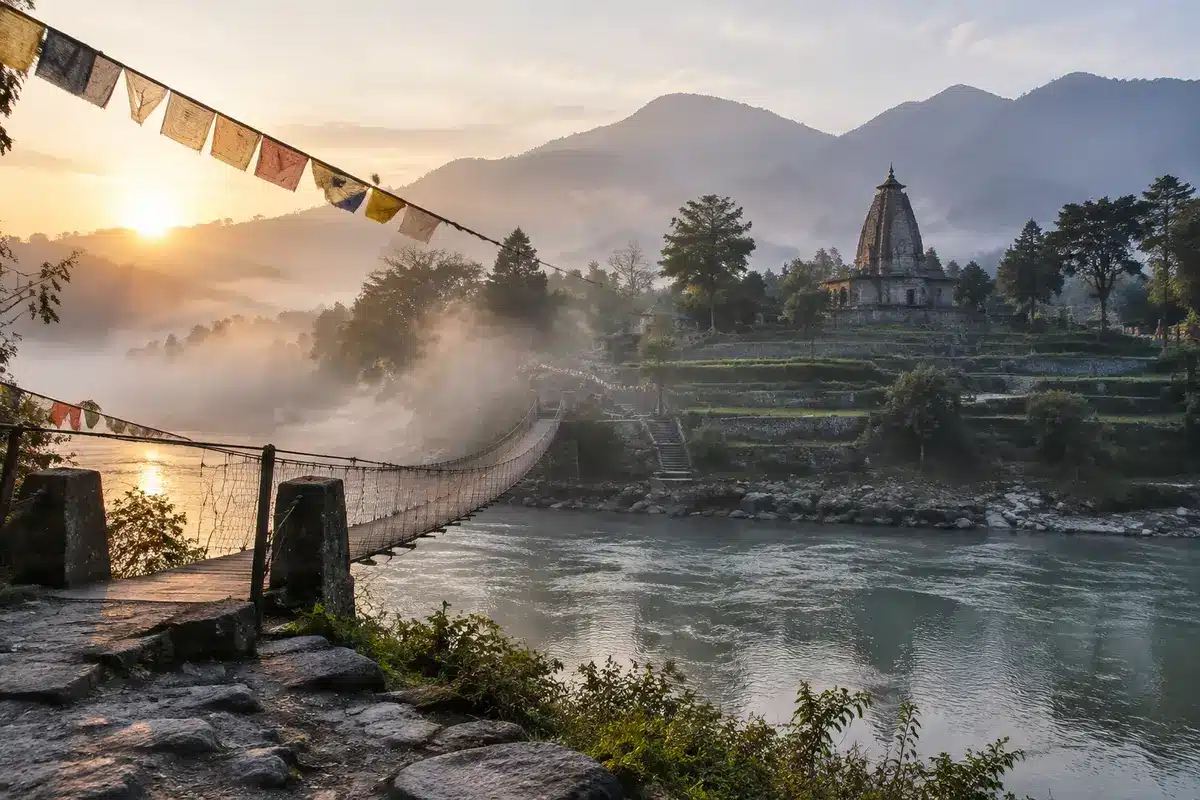
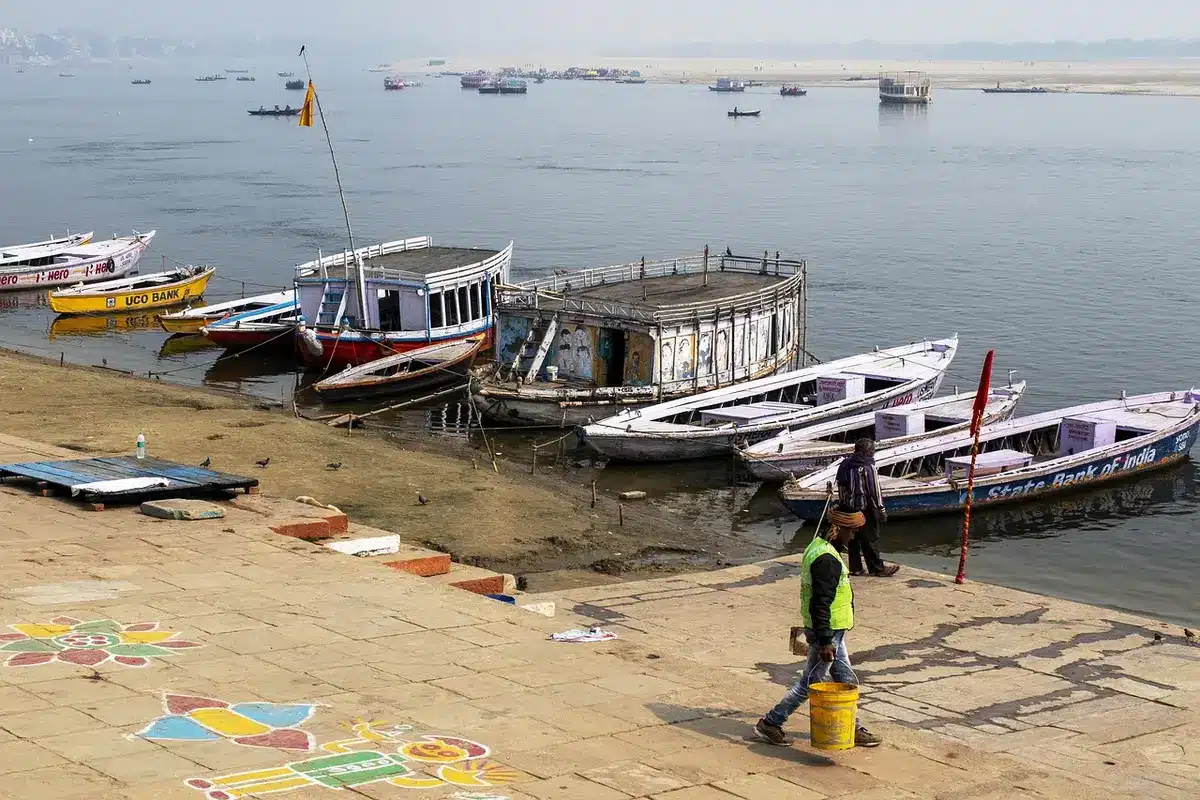
- Post-cremation rites — Collection or immersion of ashes in a sacred river, and a period of mourning at home that culminates in memorial ceremonies like shraddha.
- Annual commemorations — Rituals performed on death anniversaries to remember the deceased and maintain ties between the living and ancestors.
Variation and local practice
Ritual details differ by region, sect and family. For example, South Indian and North Indian traditions may use different mantras or procedural orders; some communities perform elaborate priest-led rites, while others keep ceremonies minimal and family-centered. Urban, diasporic and interfaith households in particular often adapt rites to fit local laws and available facilities.
Practical constraints—access to crematoria, timing regulations, or public-health directives—can change the form a ritual takes without altering its intent. That flexibility has allowed many traditions to survive while adjusting to new realities.
How modern pressures are reshaping practice
Several recent trends are influencing Hindu funerary life. Environmental concerns have spurred interest in lower-emission cremation options and in alternatives such as electric cremators or green burials. The COVID-19 pandemic accelerated the use of livestreamed ceremonies and raised questions about limits on gatherings and rapid disposition of bodies.

Legal frameworks in non-Hindu-majority countries also matter: municipal rules on cremation, transport of remains and water release of ashes can force families to find creative, respectful solutions that comply with local law.
- Environmental impact: Greater demand for eco-friendly cremation methods and reduced wood pyre use.
- Public health: Temporary restrictions on gatherings prompted new ways to grieve, including virtual memorials.
- Migration and diaspora: Customs are adapted to new legal and cultural settings, creating hybrid practices.
These shifts carry social consequences. Families must often balance religious obligations with municipal requirements, and community institutions—temples, funeral homes and advocacy groups—play a growing role in helping navigate those choices.
Why this matters
Funeral rites are a visible point where faith, family and public policy intersect. For readers, awareness of how Hindu funerals function—and how they are evolving—helps when supporting grieving neighbors, planning end-of-life arrangements, or making public decisions that touch on religious freedom and environmental policy.
Respecting tradition while accommodating modern constraints is the ongoing challenge: the forms may change, but the fundamental questions—how we honor the dead, comfort the living and guide the soul—remain central.