Show summary Hide summary
The Ganga is more than a river in India — she is a living symbol woven into religious ritual, public life and contemporary debates about heritage and the environment. Understanding her mythic origins, the rites that surround her waters and the festivals she inspires helps explain why she still matters to millions every day.
The mythic descent
In traditional accounts, the river’s arrival on Earth is the result of intense human striving. A king’s ancestor sought release from a curse and only a celestial river could purify their ashes. After long penance, the river agreed to descend, but her fall threatened the world’s balance. A god intervened to temper her power, restraining her in his hair until she could be guided safely to the plains.
Somvati amavasya 2026: when it falls and quick rituals to mark it
Kashmir 30 years on: displaced communities recall the homes they left
Along the way she meets sages and kings, and her story becomes entangled with royal households and vows. One narrative thread describes a royal couple whose children are returned to the river in order to lift a prior curse, until a surviving son is hidden, later revealed and bound by oath to forsake marriage and heirs — a vow that reshapes a dynasty’s fate.
Cultural meaning and symbolism
The river’s tale is often read allegorically: the controlled descent of a powerful flow mirrors how spiritual guidance and disciplined practice shape the movement of the self from beginning toward liberation. In this framing, the river stands for both purification and the channeling of forces that would otherwise overwhelm ordinary life.
For many devotees, the Ganga represents an accessible link to the sacred — a visible, everyday means to enact ideas about sin, rebirth and release.
Rituals, practices and places
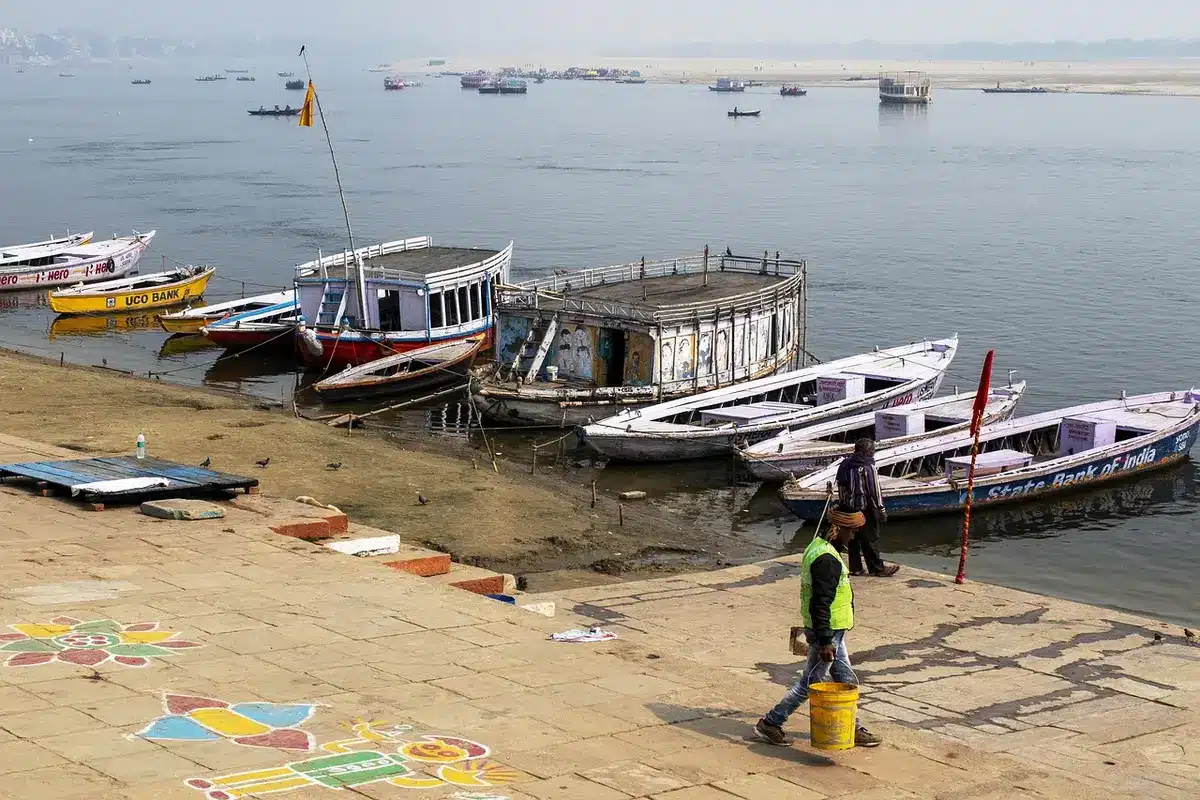
Bathing in the river is viewed by many Hindus as an act that cleanses moral burden and assists spiritual progress. Pilgrims travel from the high glacial sources down to the delta to perform rites that mark life’s transitions — especially birth and death. Small, domestic customs persist alongside large public gatherings: households may keep a sealed vessel of river water and touch it to the lips of someone who is dying as a final sacrament.
| Site | Why it matters |
|---|---|
| Gaumukh / Gangotri | Regarded as the river’s glacial source; a destination for ascetic practice and pilgrimage. |
| Haridwar | Major pilgrimage city with daily river rituals and a key site in the Kumbh cycle. |
| Prayagraj (Allahabad) | Confluence point and one of the rotation sites for the mass bathing festival known for drawing millions. |
| Varanasi | Ancient riverside city where funerary rites and nightly aartis make the river central to civic religion. |
Festivals and public gatherings
The most internationally visible events linked to the river are the large bathing festivals that recur on a calendrical cycle. These gatherings are driven by astrological timing and draw vast numbers of pilgrims who come to bathe, pray and perform rituals believed to confer spiritual merit. The scale of these events also highlights contemporary challenges — from crowd management to sanitation and conservation — that affect local communities and national policy alike.
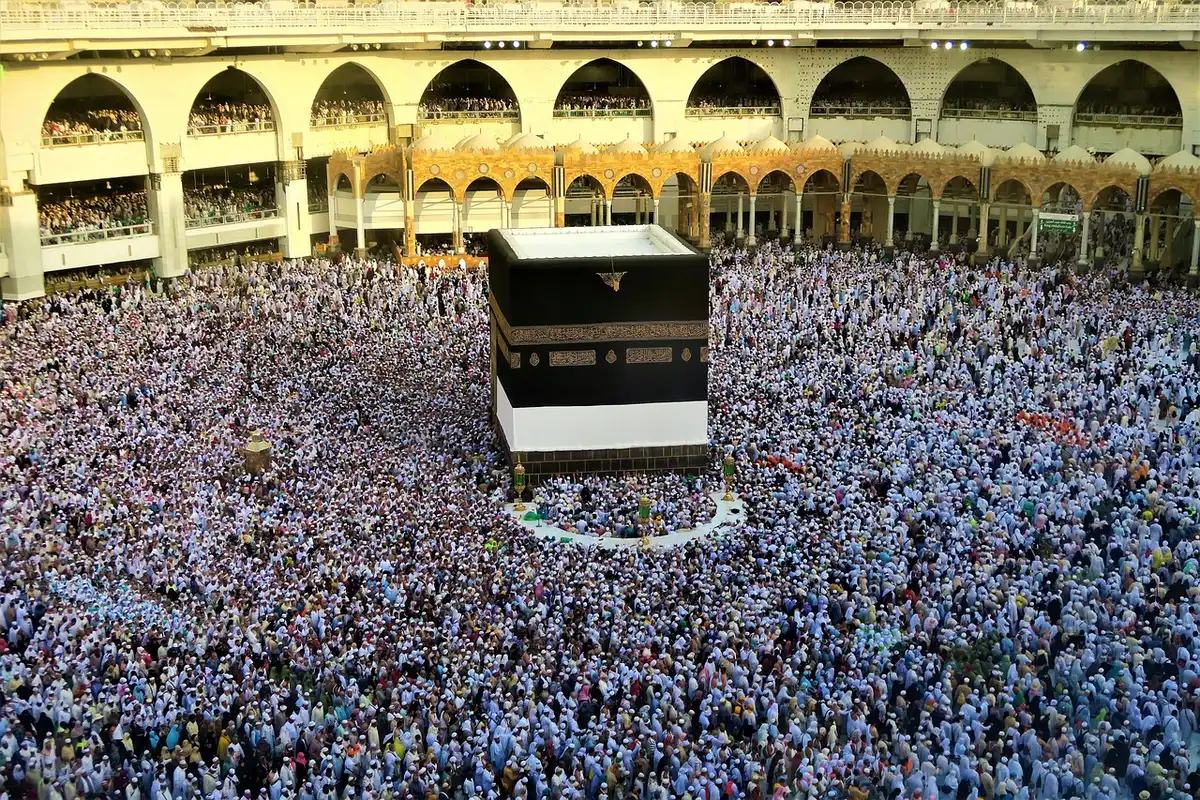
- Kumbh Mela: Rotates among several sacred river cities on a multi-year astronomical schedule.
- Pilgrimages to the river’s headwaters: Undertaken by small groups and individuals for austerity and ritual bathing.
- Domestic rites: Families keeping a small vessel of river water for important life‑cycle ceremonies, including at death.
Prayer, poetry and public devotion
Classical and medieval poets composed hymns that invoke the river’s mercy, describe her as life-restoring and attribute to her the power to cleanse moral stains. One well-known hymn attributed to a medieval sage praises the river as a compassionate force that protects her devotees from the fear of death and promotes spiritual liberation. These verses are still recited in many homes and temples, reinforcing the river’s dual identity as both natural phenomenon and divine presence.
Across centuries, that blend of myth, liturgy and lived practice has made the river a focal point for both personal devotion and civic identity.
Why it matters now
The Ganga’s stories and rites continue to shape behavior and public policy. Debates over river health, pilgrimage infrastructure and heritage preservation intersect with long-standing beliefs about purity and release. For readers today, that translates into concrete stakes: the river’s condition affects livelihoods, religious practice and how communities mark life’s most important moments.
Whether viewed as a sacred current, a cultural icon or a resource under pressure, the Ganga remains central to how millions of people in India — and diasporic communities abroad — imagine life, death and the possibility of renewal.