Show summary Hide summary
Across India’s pilgrimage sites—from the Ganga ghats to Himalayan shrines—there’s a visible shift: young adults are making religious journeys not as a final life rite but as an early response to stress, disconnection and existential questions. That change is already altering travel patterns, local economies and how pilgrimage is practiced and packaged.
Why younger people are choosing pilgrimage now
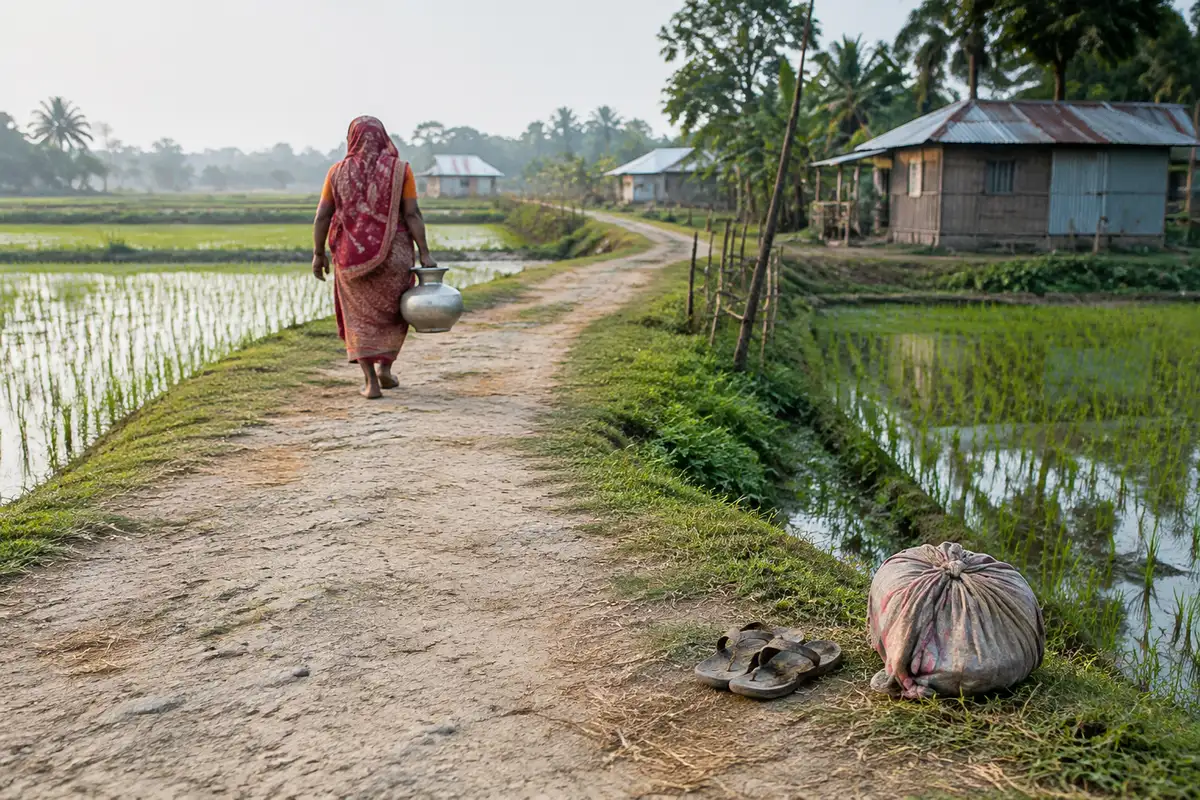
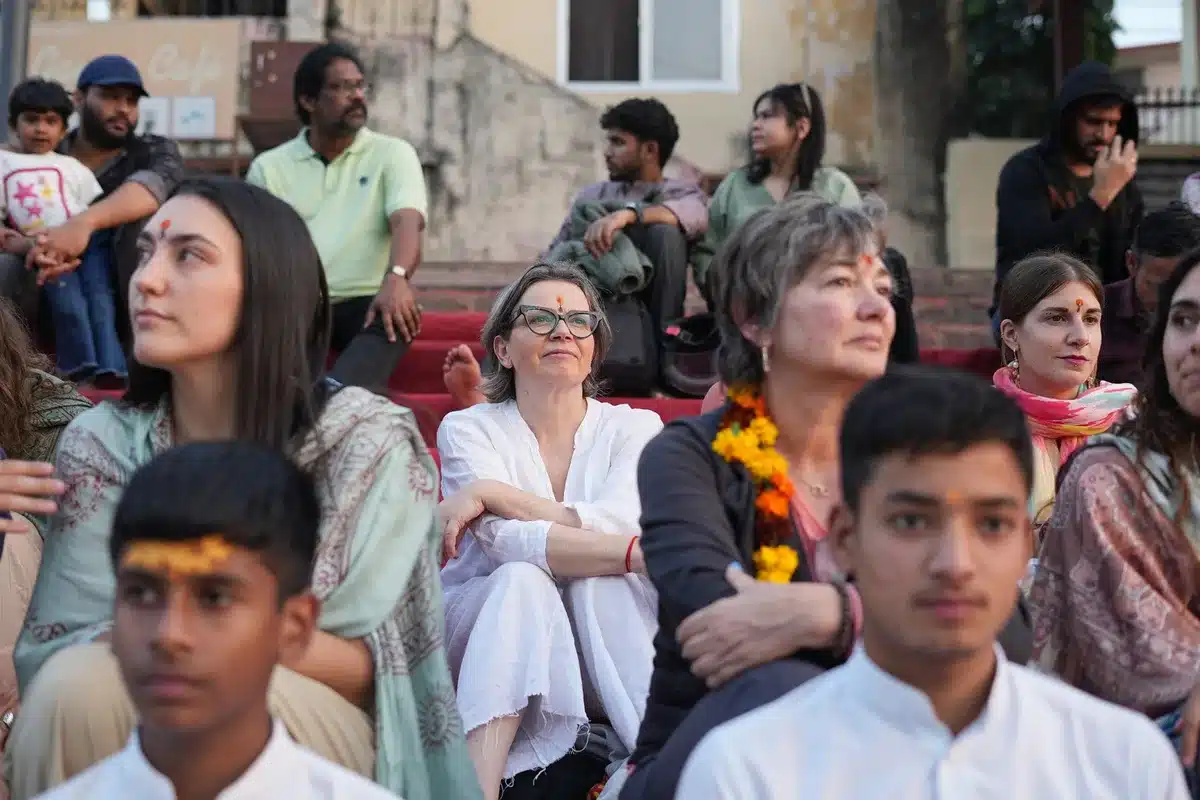
Conversations with 20-somethings at riverbanks and temple courtyards reveal motivations that sound more like mental-health strategies than religious obligation: clarity, reset and a search for belonging. Large-scale youth surveys reflect that impulse — a majority of young respondents report spiritual practices help them feel more grounded and in control.
Annamalai applauds Bhagwat’s message on Muslim inclusion in India
Navratri in Times Square goes viral: social media splits over Indian celebrations abroad
Therapists and youth researchers describe a complementary trend: pilgrimage is being taken up alongside therapy, journaling and exercise rather than as an either/or. Where an app gives short-term calm, a multi-day journey supplies prolonged ritual, communal rhythm and removal from the everyday environments that produce burnout.
There’s also a cultural element: for many raised between global media and household tradition, walking pilgrimage routes becomes a way to embody heritage and locate personal identity — not mere nostalgia, but lived anthropology.
Numbers making the shift impossible to ignore
The scale of this youth movement shows up in recent events and industry data. The 2025 Maha Kumbh Mela drew hundreds of millions of visits across its run, with single-day dips reaching tens of millions. Such gatherings were visibly populated by many first-time and younger pilgrims who often broadcast their experience online, amplifying interest for peers.
Online travel metrics back the trend: a 2026 industry outlook found nearly one in five Indian travelers planning trips for spiritual reasons — higher than other Asian markets surveyed — and platform search traffic for pilgrimage destinations spikes around festivals. Government and consulting reports point to rapid growth in the religious tourism economy, with projections of tens of billions of dollars in market value and large employment impacts in the coming years.
The policy and investment response is also underway: restoration projects, improved access and curated circuits are reshaping the physical experience of pilgrimage to meet a different, younger traveler profile.
Pilgrimage as the original integrated wellness practice
Many urban wellness trends are fragments of what pilgrimage already provides in integrated form. Consider a few parallels:
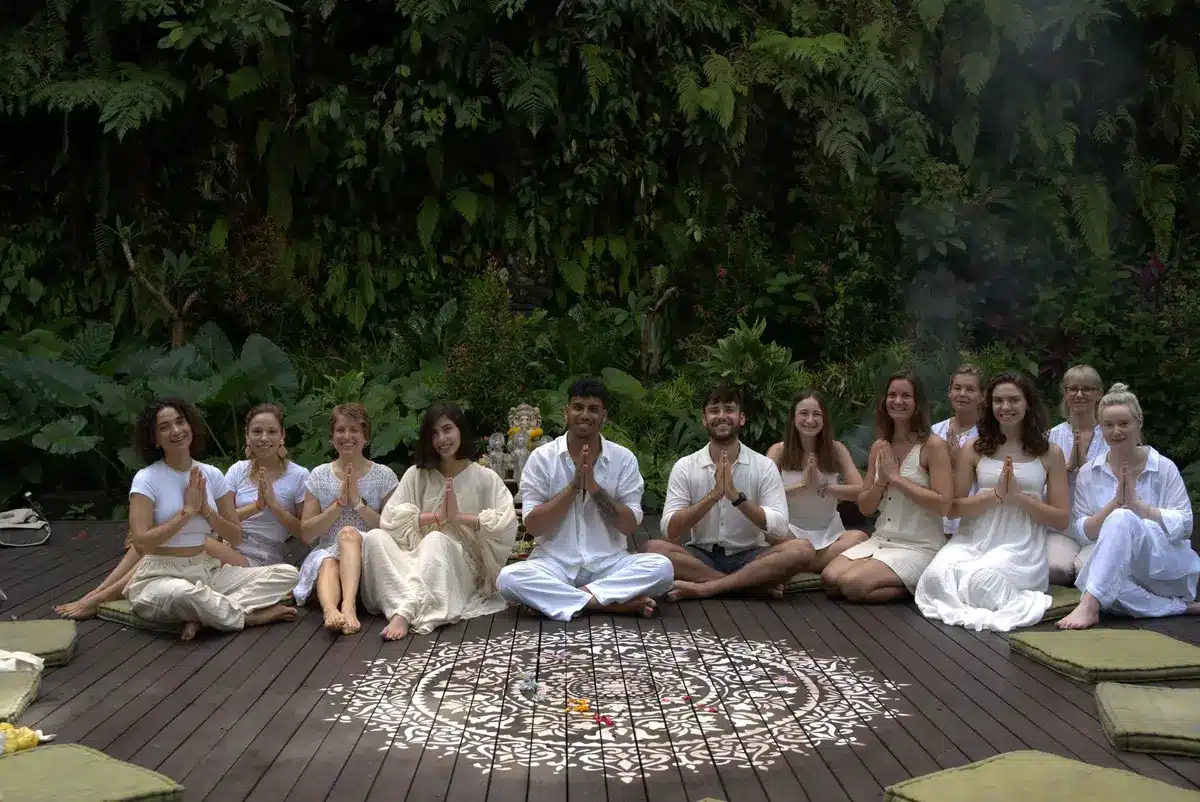
- Bhajan clubbing mirrors the emotional collective uplift of congregational singing at temple gatherings.
- Sound healing finds its analogue in dawn bells, conches and Vedic chanting that shape attention through vibration.
- Full‑moon and lunar rituals echo the calendar-based sacred timing preserved in the panchang.
- Digital detox often occurs by default in remote or ritual‑intense settings where attention is ritualized.
- Walking retreats have long precedents in parikramas and mountain pilgrimages that center body movement as practice.
In short: the urban wellness scene has unbundled elements that a yatra (pilgrimage) combines into a sustained, embodied program of practice.
Common mistakes first‑time pilgrims make
- Treating a pilgrimage as a checklist of sights rather than a practice environment.
- Over-scheduling every hour and leaving no time for the unplanned moments where insight often arises.
- Skipping the ritual context and experiencing ceremonies as spectacle instead of participation.
- Ignoring auspicious timings in the panchang, which can dramatically change both crowding and the felt quality of a place.
- Attempting a fully unsupported solo trip that turns logistical friction into a distraction from the inner work.
- Expecting a single trip to be a cure-all rather than a catalyst that needs follow-up practice.
Designing a yatra that has impact
Transformational journeys are planned, not accidental. The following framework helps convert intention into sustained change.
- Start with a clear intention (sankalp). Write a simple sentence describing why you’re going — clarity on a decision, grief work, digital reset — and let it guide choices.
- Choose a circuit that matches your stage of life. Different routes serve different needs: depth, endurance, devotion or contemplation.
- Balance ritual, movement and stillness. Aim each day for one anchor ritual, one embodied practice (a walk, bath or parikrama) and one protected window of quiet.
- Plan digital‑detox windows. Strict bans often fail; scheduled offline periods and one full offline day are more sustainable.
- Work the calendar. Decide whether you want festival intensity or quieter timing, then let the dates shape logistics and costs.
- Plan re‑entry. Before returning home, choose one small practice to continue — a five‑minute morning ritual, weekly temple visit or a mantra — so the journey has lasting structure.
| Circuit | Primary focus | Who it suits | Typical duration / timing |
|---|---|---|---|
| Kashi–Prayagraj–Gaya | Existential depth, ancestry, mourning and perspective | Travellers seeking intense, reflective experiences | 4–7 days; year‑round but spiritually heavy sites can be intense |
| Char Dham (Himalayan circuit) | Physical challenge, discipline, mountain solitude | Those looking for resilience and a decisive break | 9–12 days; seasonally May–June, Sept–Oct |
| Braj (Mathura–Vrindavan) | Devotional music, community, joy | Anyone wanting warmth, bhakti and accessible ritual | 4–6 days; festival peaks (Holi, Janmashtami) |
| Magadha (Bodh Gaya corridor) | Contemplation, philosophy, quieter pilgrimage | Travelers seeking silence, study and fewer crowds | 4–7 days; less seasonal crowding, emerging infrastructure |
Quick answers to common questions
Is pilgrimage good for mental health? Research and on‑the‑ground reports suggest concentrated pilgrimage experiences bundle many protective factors — community, ritual, movement and time in nature — that support coping and meaning-making. They complement clinical care rather than replace it.
How long should a meaningful trip be? Expect 4–5 days as a minimum to let the journey begin to work for a single-region circuit; longer, 9–12 days, for extended mountain circuits.
When should I plan around major gatherings? Festivals and bathing dates amplify both spiritual intensity and crowding. Book well in advance if you want to participate; choose off‑peak windows if you seek solitude.
Do I need to be religious? No. Increasingly, people travel for heritage, personal inquiry and wellbeing. Respect and intention matter more than formal belief.
For planners, local authorities and the travel sector, the stakes are clear: youth‑led pilgrimage is reshaping demand patterns, infrastructure needs and the cultural meaning of sacred sites. For individuals, the promise is practical — a structured route to reset, reflect and rebuild the small practices that sustain daily life.
Sources: industry travel outlooks and government figures on Maha Kumbh 2025; consulting reports on spiritual tourism; large youth‑attitude surveys and academic research on spirituality and mental health.