Show summary Hide summary
A new KPMG in India report, released in July 2026, argues that global tourism is shifting from ticking off landmarks to inhabiting cultural stories — a practice Indian pilgrims have long embodied. That change matters now because it reshapes how sites are conserved, how local economies benefit, and how travellers expect to engage with sacred and historic places.
India’s everyday heritage is the model
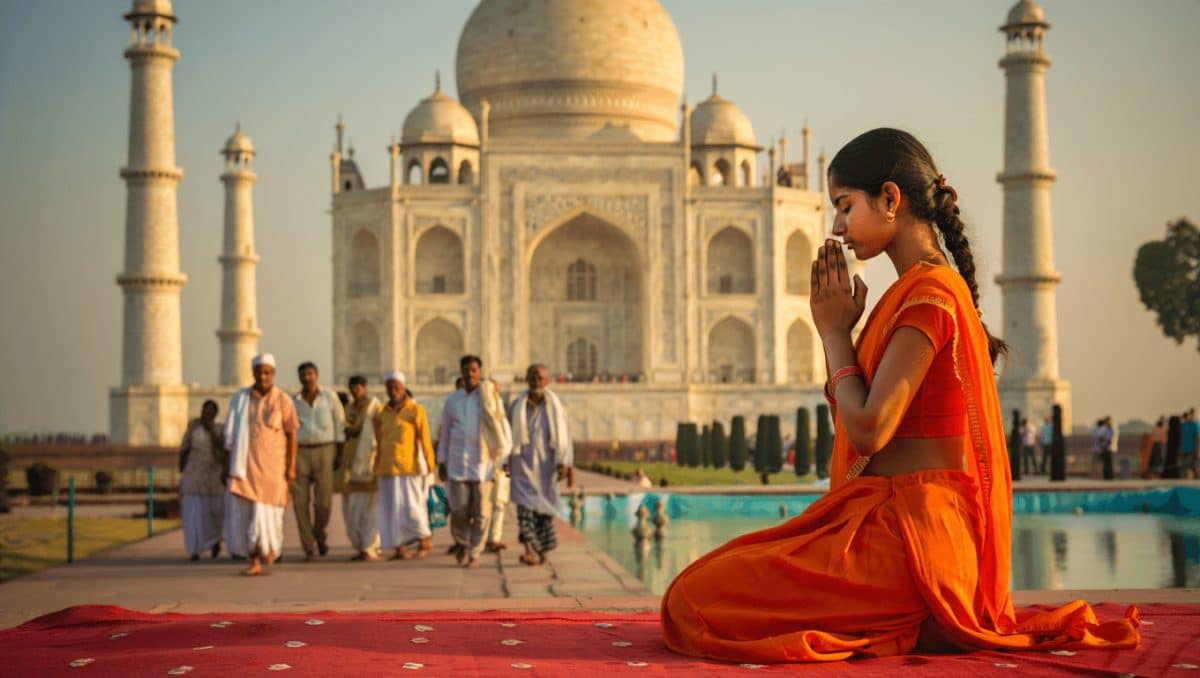
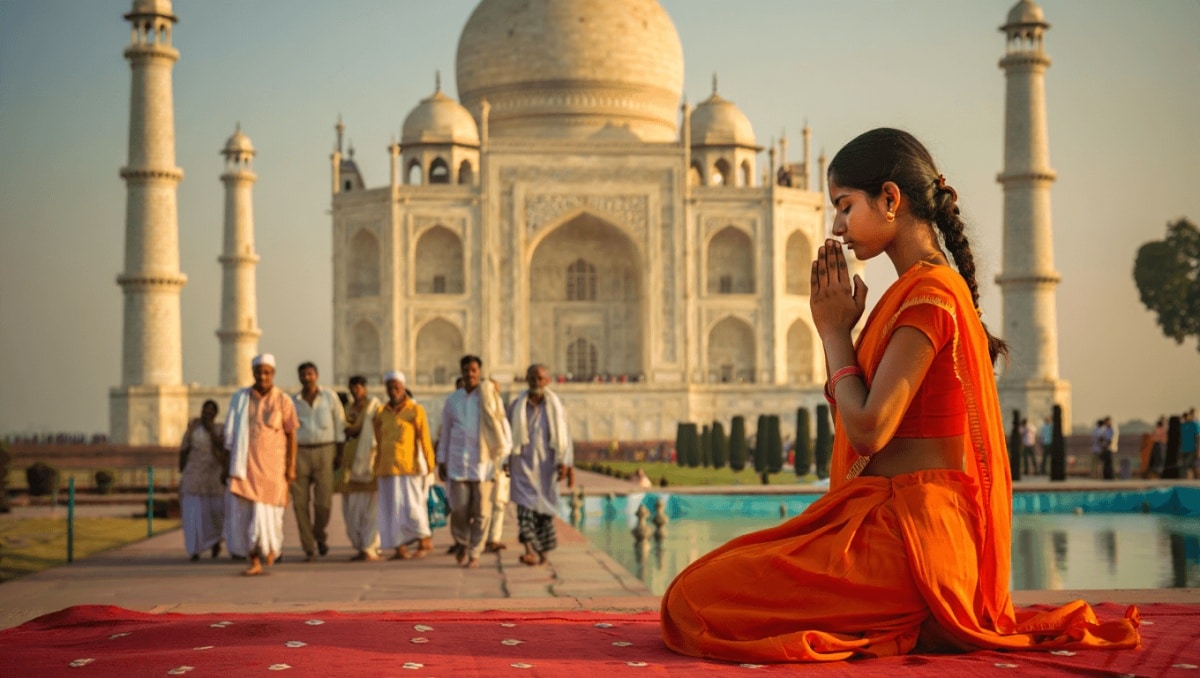
India’s festivals, rituals and living traditions are not static displays; they are active, community-led practices that visitors can experience in real time. The report places equal weight on these practices and on physical monuments, underscoring how the country’s living culture already matches the market’s appetite for immersive travel.
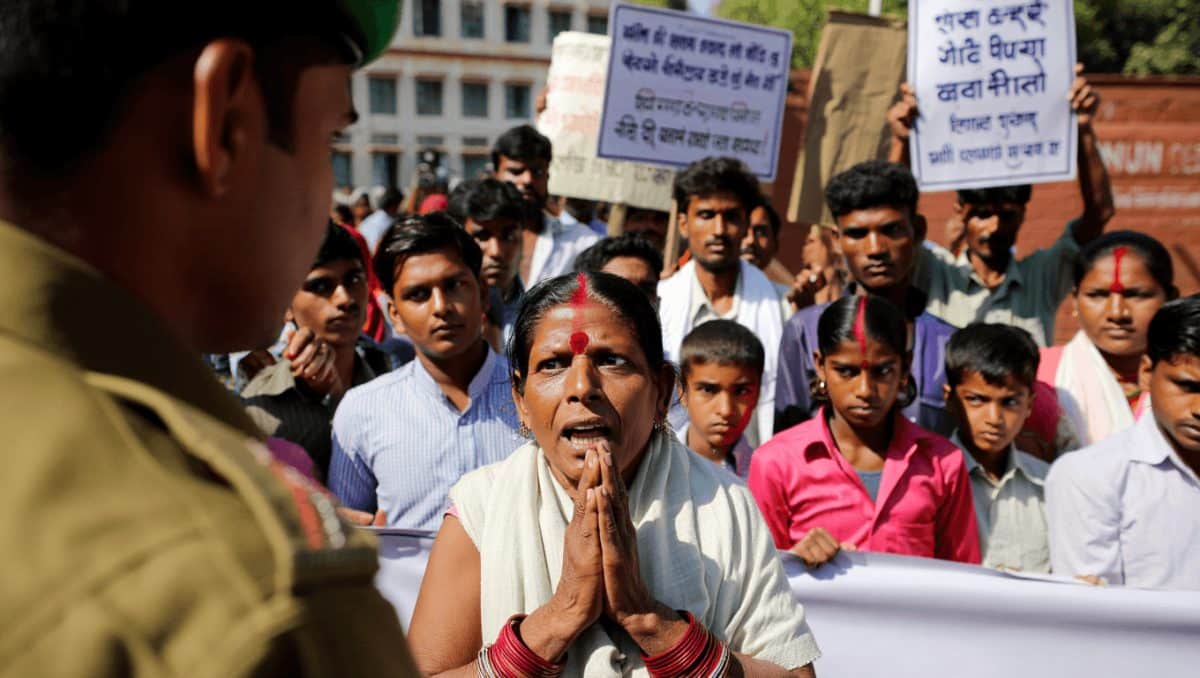
Pakistani Hindu refugees fight for rights and stability in India decades later
UCC push: Madhya Pradesh CM Mohan Yadav urges one-spouse rule across faiths
Numbers underscore the scale: the global heritage tourism sector was estimated at about USD 624.6 billion in 2025 and could approach USD 937 billion by 2033, with the Asia‑Pacific region holding around 40% of that market. In India, domestic tourism remains vast — nearly 3 billion visits were recorded in 2024 alongside roughly 10 million international arrivals — supported by thousands of archaeological sites, dozens of UNESCO world heritage locations and multiple entries for intangible cultural heritage.
Who is driving demand
Traditional pilgrim demographics remain strong: people aged 51–70 account for a majority of heritage travel in India, drawn by time, resources and a desire to reconnect with cultural roots. Yet growth is fastest among 31–50 year olds, and younger travellers worldwide are increasingly prioritising authenticity over sightseeing.
The generational shift is practical rather than oppositional. Younger visitors still seek spiritual and heritage experiences, but they want context — the stories, the kitchens, the local voices — presented in accessible ways, often aided by digital tools on their phones.
Tech that enhances, not erases, meaning
One of the report’s central conclusions is that technology, when used judiciously, strengthens authenticity rather than replacing it.
Examples already emerging: a highly detailed virtual reconstruction of a 16th‑century tomb was created in 2024 from billions of data points to guide conservation and study. Similar methods could protect ageing temples while allowing remote access and precise restoration planning.
At the visitor level, multilingual AI guides and augmented reality can translate rituals, narrate origin stories and surface local knowledge in a traveller’s own language, reducing barriers between regions and diasporas without supplanting the lived encounter. The AR/VR travel market — valued at roughly USD 8.2 billion in 2025 — is projected to expand significantly over the coming decade, enabling pre‑visit orientation and richer on‑site engagement.
Layered experiences that support communities
Moving beyond single-stop visits, destinations are assembling multiple connected experiences: guided walks, hands-on workshops with artisans, locally rooted food trails, curated performances, and options for small-group expert access. This model lengthens stays, raises per‑visitor spending and — crucially — channels revenue back to guides, craftspeople and local service providers.
The approach reframes tourism economics from sheer volume to sustained value, embedding livelihoods and conservation in the same strategy. Government programmes and pilot projects are already aligning with this shift, including investments in pilgrimage infrastructure and the design of low‑carbon heritage circuits.
- Intangible heritage—rituals, oral histories and performing traditions—now stands alongside monuments as a core tourism asset.
- Digital twin technology and high‑resolution data are being used for conservation, not just display.
- Experience-led tourism extends visitor stays and spreads economic benefits to local communities.
- AI guides and AR/VR are lowering language and information barriers while preserving the primacy of in-person ritual.
- Climate and policy shifts are making eco‑sensitive pilgrimage circuits a growing reality.
Implications for planners, operators and travellers
For site managers and policymakers the takeaway is practical: protect the living practices that give places meaning, and design infrastructure that supports longer, deeper visits rather than higher numbers of short stops. For communities, the opportunity lies in converting cultural knowledge into livelihoods through transparent, locally governed partnerships. For travellers, the change is simple — expect richer context, more participatory options and a blend of digital and face‑to‑face experiences.
Not every innovation will fit every site. The report — and practitioners on the ground — stress a conservative principle: use technology to illuminate and preserve, not to replace the encounter. A narrated app that explains a ritual the night before a visit can intensify the emotional impact of seeing that ritual unfold at dawn; a headset that cuts visitors off from the place will not.
The global industry is catching up to a concept Indian pilgrims have always practised: travel as living story. As this model scales, it will shape funding priorities, conservation practice, and what travellers expect from a meaningful journey.
Source: KPMG in India, “Heritage Reimagined: Driving Immersive, Tech‑Enabled and Experience‑Led Tourism,” in partnership with the PHD Chamber of Commerce and Industry (July 2026).