Show summary Hide summary
- An industry older than modern travel
- Scale and recent figures
- What makes spiritual tourism different
- From isolated monuments to connected circuits
- Connectivity as core infrastructure
- The Buddhist circuit’s untapped export value
- Digital platforms: gap and opportunity
- High‑value diaspora pilgrims
- Sustainability and carrying capacity
- Priority actions for the decade ahead
India’s push to become a global tourism hub matters right now because the policy debate is shifting from counting visitors to shaping durable, high-value travel economies — and at the center of that shift sits pilgrimage. Recent government plans and funding windows launched in mid‑2026 make clear that spiritual travel is not a niche: it underpins the country’s wider tourism strategy and will determine how benefits reach millions of small businesses across regions.
An industry older than modern travel
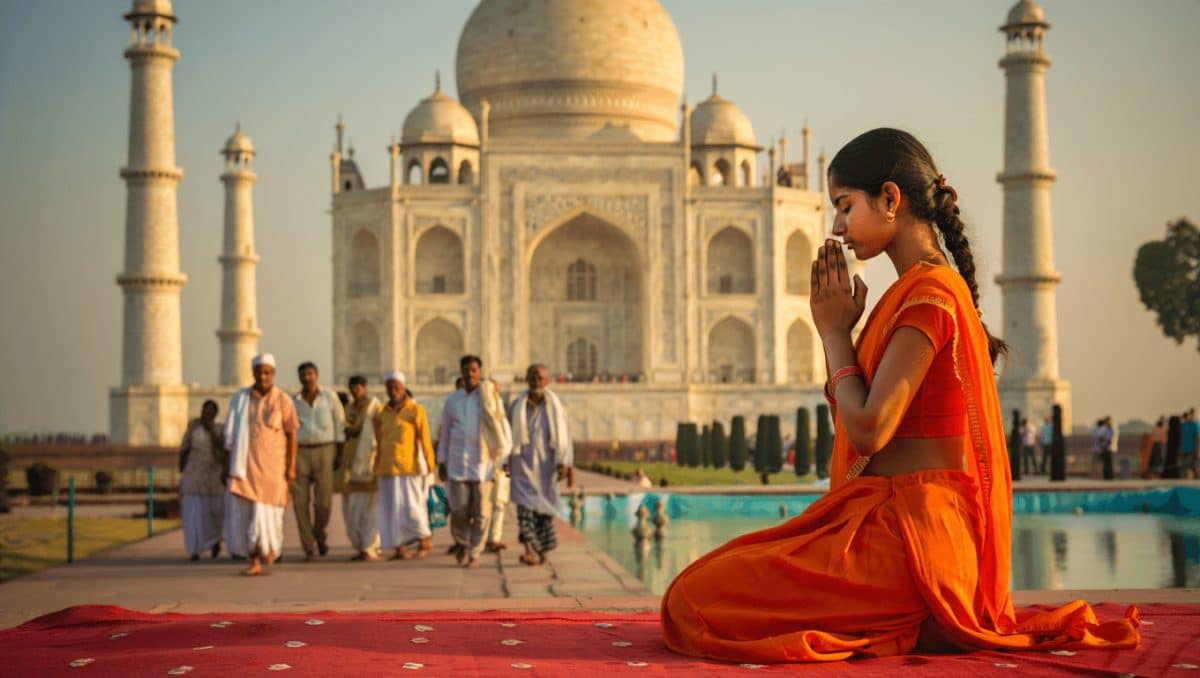
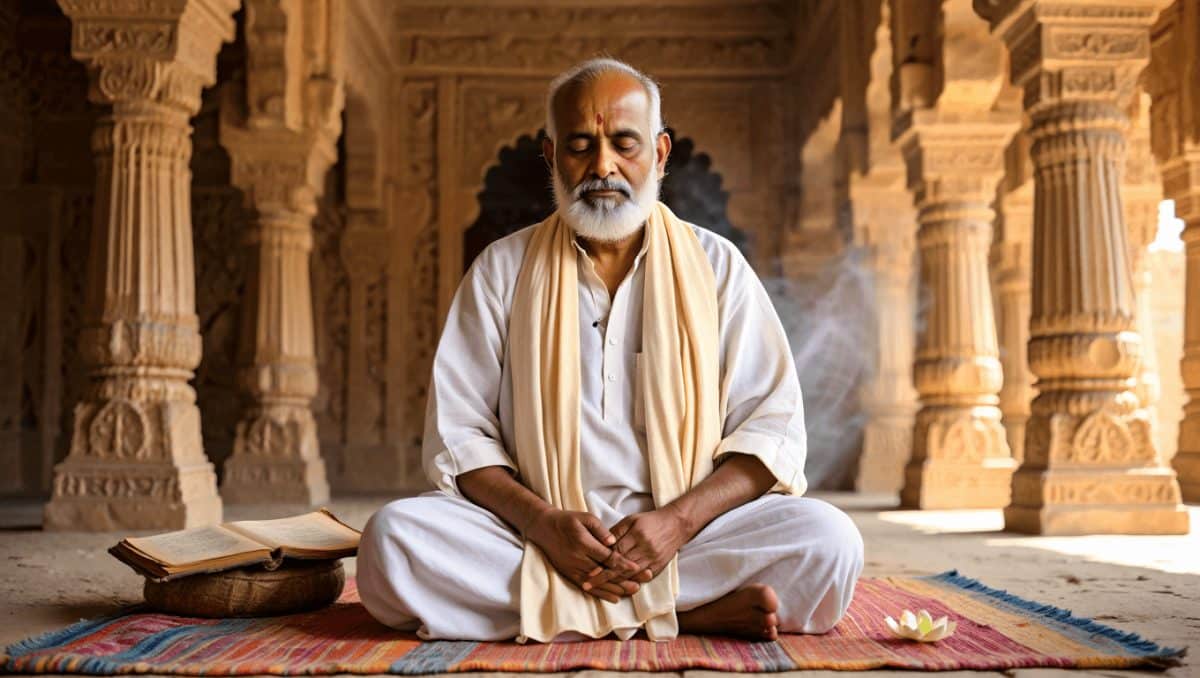
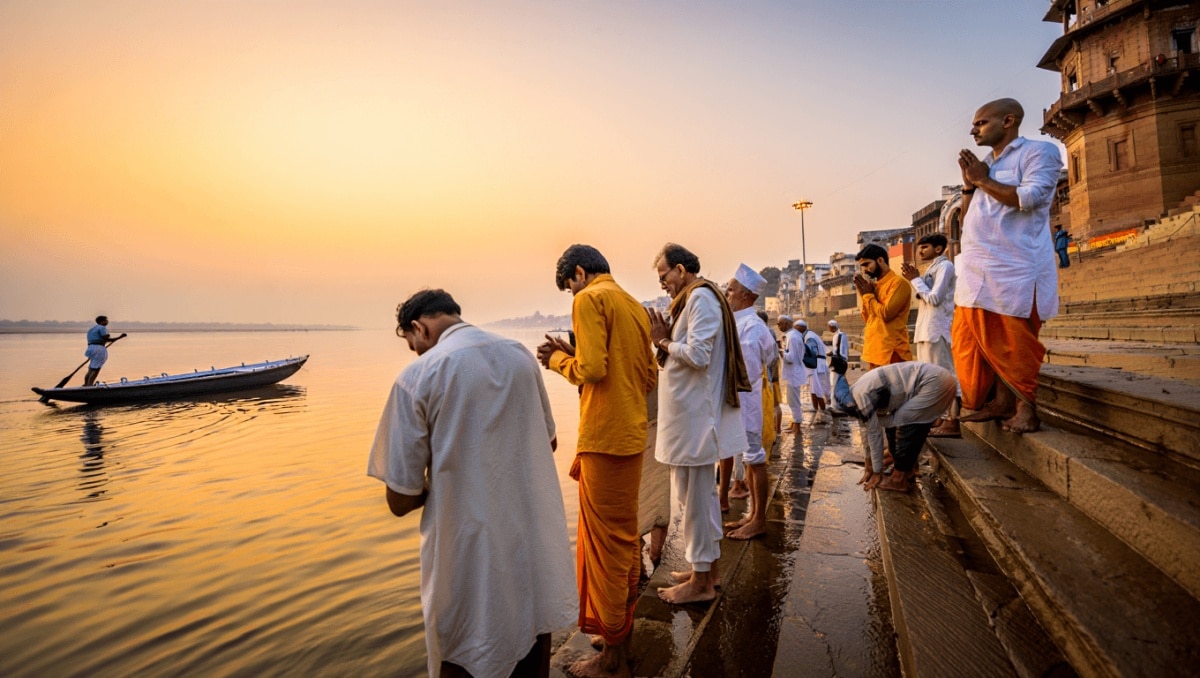
For more than two thousand years people have moved across the subcontinent for faith and ritual. Markets, roads and services grew around those flows long before the first airplane arrived: temple towns, monastic complexes and festival sites formed recurring circuits of demand that still drive travel patterns today.
Pakistani Hindu refugees fight for rights and stability in India decades later
UCC push: Madhya Pradesh CM Mohan Yadav urges one-spouse rule across faiths
Modern data confirms what was visible on the ground for generations: pilgrim destinations attract the largest visitor volumes, not coastal resorts or boutique hill stations. The opening of major shrines and large religious gatherings routinely redraw domestic travel routes, concentrating year‑round and seasonal traffic in specific places.
Scale and recent figures
As of mid‑2026 official releases show India recorded roughly 2.9 billion domestic visits in 2024, while international arrivals reached about 20.2 million in 2025. Tourism’s direct and indirect contribution to the economy amounted to approximately ₹15.73 lakh crore in FY 2023–24, supporting some 84.6 million jobs. International receipts were near USD 31.7 billion in 2025.
Read together, the numbers point to a simple truth: the typical Indian traveler is more likely a devotee than a leisure tourist. Designing national policy around that reality changes priorities — and investments.
What makes spiritual tourism different
- Resilience to downturns. Religious travel tends to be less sensitive to household budget swings than discretionary vacations, giving temple towns steady economic activity when other segments slow.
- Built‑in repeat demand. Calendar rituals and festival seasons create predictable peaks — the occasions are intrinsic to the culture, not manufactured by marketing campaigns.
- Broad local distribution. Spending circulates through tiny vendors, dharamshalas, priests, boatmen and artisans, making spiritual sites engines of microenterprise employment.
- Unique comparative advantage. Sacred geographies tied to Hinduism, Buddhism, Sikhism and Jainism are not exportable; they form a long‑term soft‑power moat few competitors can match.
From isolated monuments to connected circuits
Policy is moving away from one‑off monument upgrades toward integrated destination ecosystems — a critical change because pilgrimages are journeys, not single stops. Recent central schemes redirect funds to circuits and experience quality rather than just standalone civil works.
New funding windows are explicitly encouraging states to present circuit‑scale proposals and to partner with private players on the experience layer. That means projects that knit sites together — transport, wayfinding, visitor amenities and localized service standards — now receive priority attention and finance.
Connectivity as core infrastructure
A pilgrimage route is only as strong as the roads, rails and runways linking its nodes. Recent expansions in highways and the railborne Vande Bharat network have already shortened journeys to major shrines, while regional aviation programmes are set to bring many smaller tirthas within a few hours of metropolitan centres.
One large aviation plan earmarks capacity to build new aerodromes and helipads focused on Tier‑2/3 cities and remote regions. Every new airstrip or faster train on a pilgrimage corridor can transform a local holy place into a national, then international, destination.
The Buddhist circuit’s untapped export value
India hosts the key sites of the Buddha’s life, yet most international Buddhist pilgrimage currently heads to East and Southeast Asia. With about half a billion Buddhists worldwide — concentrated in countries with strong outbound travel — the potential is substantial.
Infrastructure such as upgraded airports at key Buddhist sites and circuit investments aim to convert latent demand into arrivals. What remains is the visitor experience: multilingual interpretation, comfortable monastery‑grade stays, ticketing that links sites seamlessly, and storytelling that turns scattered monuments into a single pilgrimage narrative.
Digital platforms: gap and opportunity
The startup ecosystem supporting travel has expanded rapidly, with nearly 1,500 DPIIT‑recognised travel startups across hundreds of districts, many based outside major metros. That geographic spread matches devotional demand, which originates in smaller cities and towns.
Yet a disconnect persists between devotional content platforms (online puja, live darshan, panchang apps) and robust travel services. Booking and managing a multi‑site yatra still looks fragmented: inconsistent pricing, unverified operators and little quality assurance. A digital platform that standardises credentials, offers verified guides, accessibility features and transparent circuit packages could multiply the value of public infrastructure without replicating its capital spend.
High‑value diaspora pilgrims
India’s global diaspora — tens of millions strong — represent a high‑value segment: they combine the willingness to pay international rates with a strong devotional motive. Recent visa facilitation and more entry points help, but the service gap for premium, end‑to‑end pilgrimage products remains large.
For many NRI families the decision is not whether to come but how to secure a dignified, reliable darshan and comfortable logistics; solving that is a clear commercial opportunity.
Sustainability and carrying capacity
Growth cannot come at the cost of a site’s ecological or spiritual integrity. Overcrowding, strain on water and waste systems, and fragile mountain geographies have already produced warnings at several tirthas. Managing visitor numbers, investing in waste and water infrastructure, and developing secondary nodes to disperse flows are essential both to conservation and to maintaining the sanctity that draws pilgrims in the first place.
Priority actions for the decade ahead
- Orchestrate circuits: coordinate central funds, state plans and local communities into seamless pilgrim journeys.
- Build the experience layer: multilingual interpretation, standard accommodation categories, accessibility and elder‑friendly services.
- Platformise quality: digital verification for operators, transparent pricing and bundled circuit ticketing.
- Invest in dispersed nodes: develop secondary shrines and connected attractions to spread economic benefits and reduce pressure on flagship sites.
- Protect resources: align green infrastructure with visitor management to preserve both ecology and ritual practice.
India’s tourism ambition will succeed only if it recognises pilgrimage as core infrastructure rather than cultural ornament. The funding windows, connectivity projects and nascent digital formalisation now in motion create a narrow, strategic opportunity: to bind ancient routes and modern services into journeys that honour sacred geographies while delivering measurable economic uplift. Time is short to translate schemes into lived experiences that respect both devotees and destinations.
Data referenced from government releases in July 2026, Ministry of Tourism reports and recent sector analyses.