
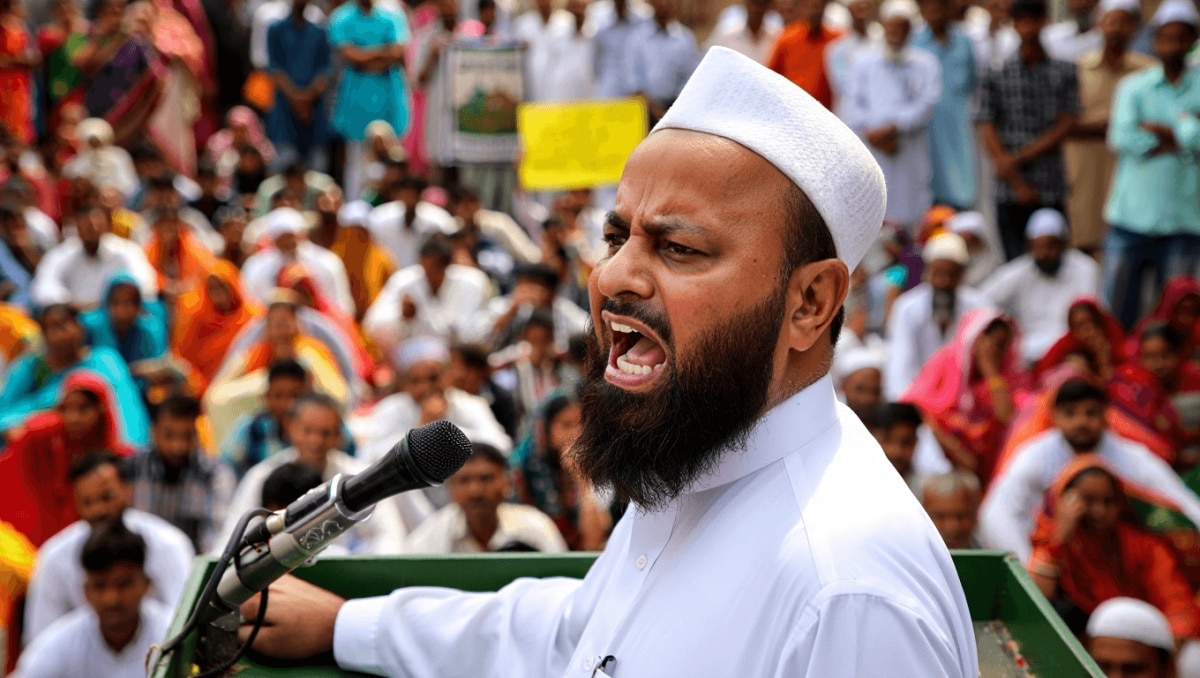
Speaking at a public meeting on July 18, 2026, Maulana Arshad Madani pushed back against circulating reports that parts of Mohammad Ali Jauhar University might be dismantled, calling the talk of demolition politically motivated and disrespectful to the institution’s namesake. He urged that disputes over campus buildings be settled through legal channels rather than by forced removal, and he framed the controversy as part of a wider debate about social cohesion.
Madani described proposals to tear down university property as premature and legally questionable, saying such actions would shift disputes from the courtroom into the public square. He argued that punitive measures should follow proper judicial processes and suggested monetary penalties as a less destructive alternative.
Why the issue matters now
Annamalai applauds Bhagwat’s message on Muslim inclusion in India
Navratri in Times Square goes viral: social media splits over Indian celebrations abroad
The matter touches several current fault lines: the governance of private educational institutions, the role of state authorities in enforcing regulations, and the sensitivities around institutions named after historical figures. Moves perceived as politically driven can inflame local tensions and affect students, staff and the wider community.
At the gathering, speakers also raised concerns about rising communal polarization. Madani used the platform to appeal for calm and for a shared commitment to maintaining a plural public sphere, warning that administrative actions taken without transparent legal backing risk deepening divisions.
- Legal process vs. executive action: Madani emphasized that demolition before court adjudication undermines rule of law.
- Alternative penalties: He proposed financial fines and judicial review instead of on-site removal of buildings.
- Symbolic stakes: The university’s association with a freedom fighter adds a symbolic dimension that, he said, requires sensitivity.
- Communal harmony: Calls were made to resist communalizing administrative disputes and to protect social cohesion.
Observers following the debate say the dispute could set a precedent for how regulatory issues involving educational campuses are handled in future. If authorities opt to move ahead without clear court orders, it may prompt legal challenges and prolonged protests. Conversely, resorting to fines or negotiated settlements could de-escalate tensions but leave questions about enforcement and accountability.
There has been no public confirmation from government agencies about any imminent demolition of university property. For now, the controversy centers on competing claims about due process, proportionality of sanction and the political context in which regulatory decisions are being made.
Madani’s remarks underline a broader worry among community leaders: that administrative actions taken in haste or perceived as politically motivated can do lasting damage to institutions and to social trust. How authorities respond will determine whether the matter remains a local administrative dispute or becomes a flashpoint in a larger political conversation.