Show summary Hide summary
Between modest global shifts in formal religious affiliation and a visible uptick in public faith practices across India, a subtle but consequential divergence is under way — one that matters for politics, public services and social cohesion. New data from the Pew Research Center shows a small worldwide rise in people who identify with no religion between 2010 and 2020, while everyday religious life in India — from street processions to mass communal meals — appears to be intensifying.
Pew’s analysis found the worldwide share of people reporting no religious affiliation edged upward over that decade, from roughly 23% to about 24%. That change was driven mainly by declines in parts of Europe and North America. India, by contrast, has not shown the same drift away from organized religion; instead, public expressions of faith have become more prominent in many communities.
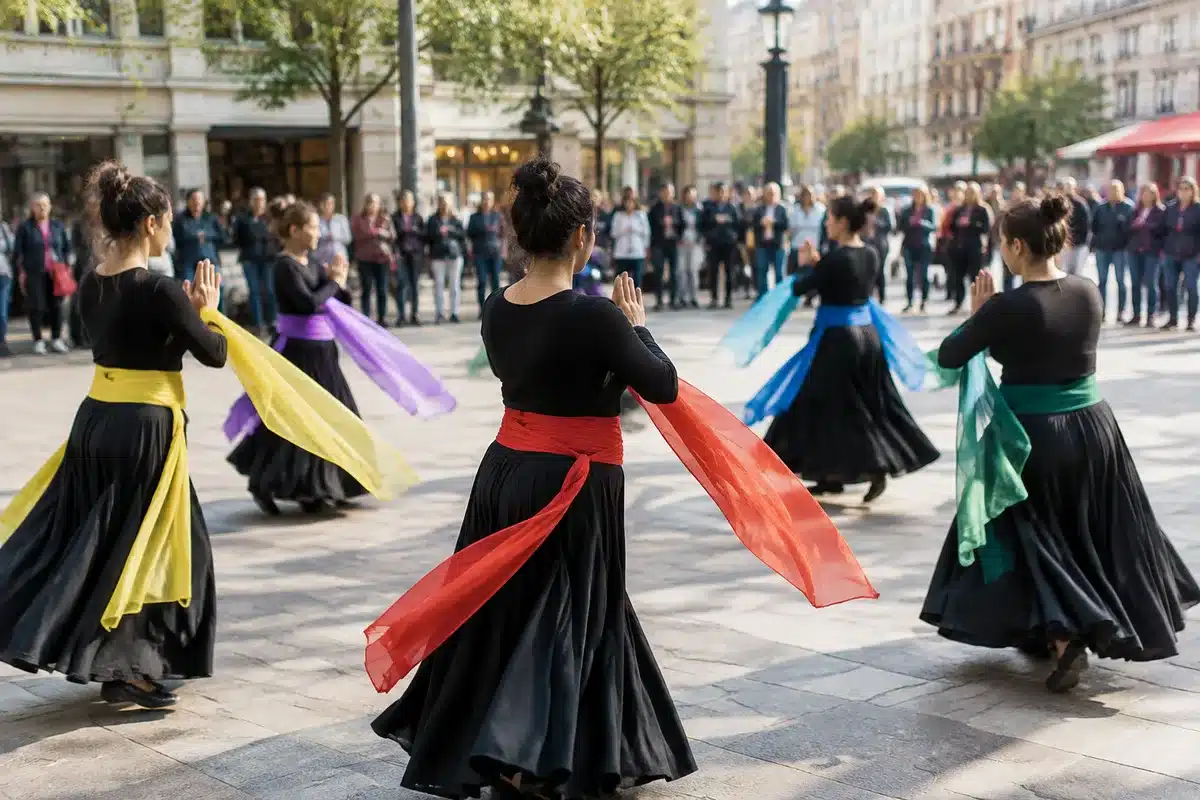
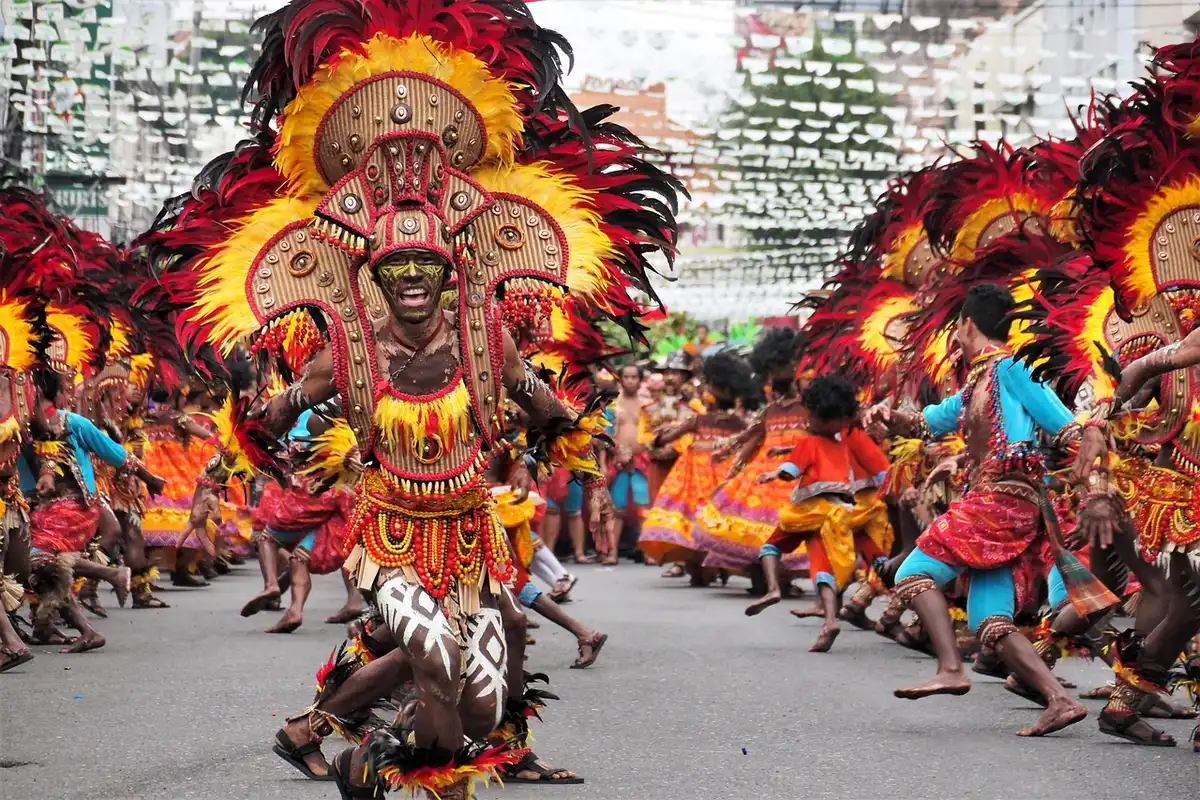
On city streets and in rural towns alike, ritual and collective worship have left a larger footprint. Processions, temple and mosque festivals, pilgrimages and religious volunteer efforts are increasingly high-profile and, in some cases, large-scale events that draw local and national attention.
Navratri in Times Square goes viral: social media splits over Indian celebrations abroad
Verify pandit online: quick checks to vet priests and protect your puja
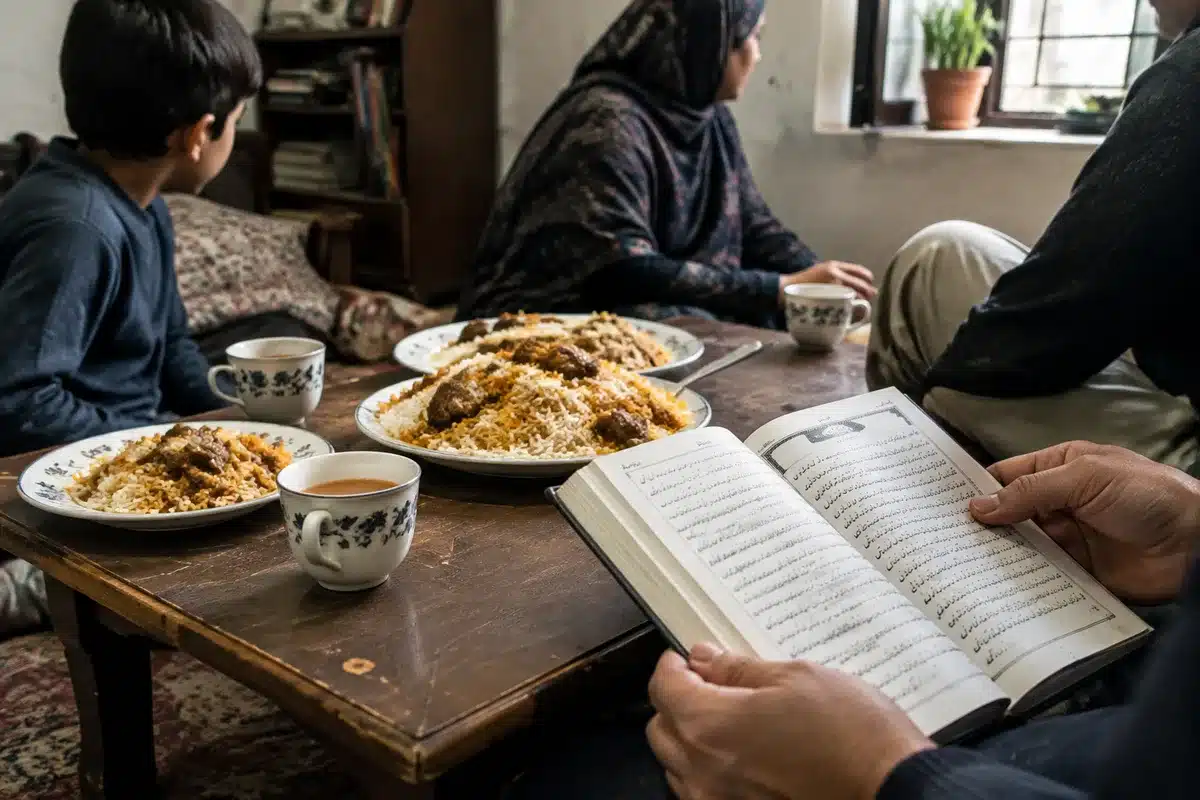
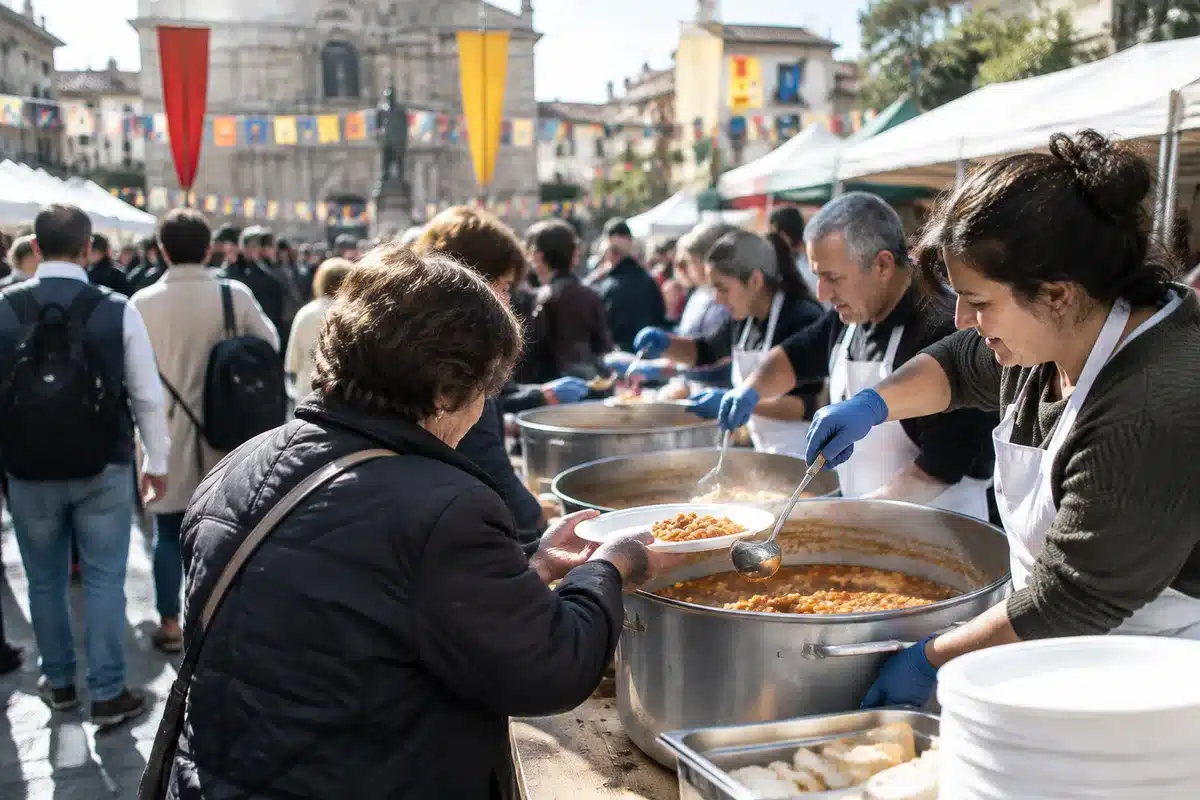
- Bhandaras, Langar and communal feasts — free public meals that accompany religious ceremonies and mark community solidarity;
- Kanwar yatras and other pilgrimage convoys, often involving thousands of participants over several days;
- Ritual ablutions, such as jalabhishek, and seasonal ceremonies that concentrate worshippers at particular sites;
- Processions and displays — Tazia, Juloos, Nagar-Kirtan — which frequently traverse public roads and marketplaces;
- Religious rallies and mass gatherings that blend devotional activity with public mobilization.
Why the difference matters
These developments are more than cultural spectacle. When religious life occupies public space at scale, it creates practical and political consequences.
For local administrations, the demands of large gatherings affect traffic management, sanitation, policing and health services. For political actors, visible displays of faith can become platforms for mobilization or identity politics. And for communities, intensely public religiosity changes how pluralism and secular norms are negotiated in everyday life.
- Public safety and infrastructure: mass events require coordination and funding from civic bodies.
- Political implications: shared rituals can strengthen electoral networks or amplify identity-based appeals.
- Communal relations: overlapping processions and festival calendars can heighten friction in mixed neighborhoods.
- Public health and environment: pilgrimages concentrate people and waste in sensitive areas, raising sanitation and sustainability concerns.
- Economic impact: religious tourism and festival spending can boost local economies but also strain resources.
Limits of existing measures
Counting people who say they have “no religion” captures one dimension of secularization, but it does not measure how often people practise, attend rituals or support faith-based public activity. That distinction matters in India, where formal affiliation often remains high even as the character of observance shifts.

Regional variation is also important. Urban centres, rural districts and different states show contrasting patterns of participation and public presence. Likewise, generational differences — younger people’s attitudes toward belief versus ritual — can be masked by aggregate figures.
What to watch next
Researchers and policymakers should track a few specific indicators to understand whether rising public religiosity becomes a lasting structural force:
- Frequency and geographic spread of large religious gatherings;
- Government spending and logistical involvement in faith-related events;
- Electoral rhetoric and policy tied to visible religious activity;
- Public attitudes toward pluralism and the use of shared civic spaces.
The modest global rise in the religiously unaffiliated population between 2010 and 2020 suggests a complex, regionally uneven story about faith and secularization. In India, the prominence of communal rituals and mass religious events points to a form of religiosity that remains socially and politically significant — a trend that will shape local governance and public life as the decade progresses.