Show summary Hide summary
Religious figures from across India have sharply criticised former Vice‑President Hamid Ansari after his recent comments about “Hindu extremism” and the RSS, warning the remarks risk sowing unease among Muslim citizens. Their response frames the issue as more than a disagreement over words: it touches on questions of representation, national belonging and communal calm.
Religious leaders push back
Maulana Sajid Rashidi, president of the All India Imam Association, questioned why Ansari chose to speak on these topics after leaving office, saying holders of high constitutional posts are expected to reflect the country’s diversity. In remarks to news agency ANI, Rashidi suggested Ansari was more outspoken on issues affecting Muslims after his tenure than during it.
Allahabad high court voids three land purchases: woman couldn’t prove continued ST membership
Odissi dazzles at WhiteSwan festival: classical dance wins standing ovations
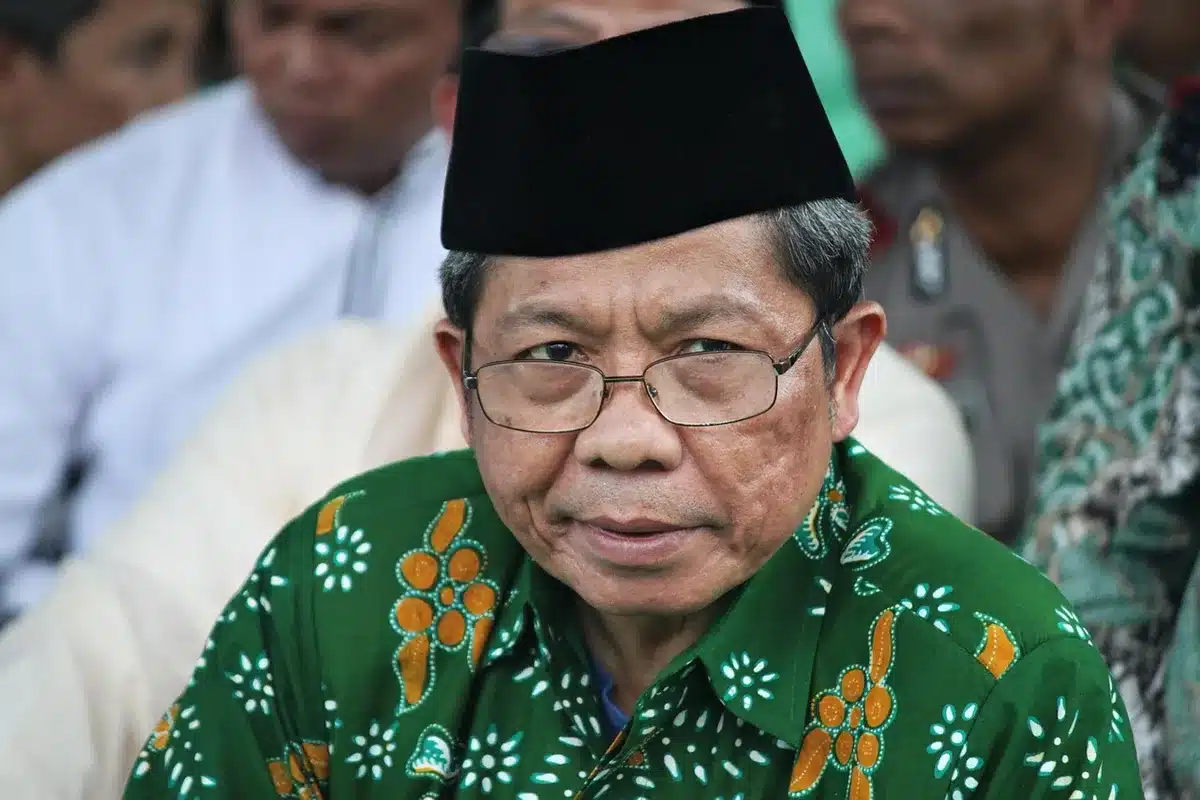
Rashidi warned that public statements implying that Muslims are outsiders can deepen insecurity within the community. He urged political organisations and leaders to condemn rhetoric that targets any group and to uphold mutual respect across faiths.
How critics frame “extremism”
For Rashidi, the line between legitimate religious practice and extremism hinges on intent and action: if a belief system actively promotes hatred toward others, it crosses into extremism; peaceful observance that does not harm or threaten others does not.

He also referenced recent comments by RSS chief Mohan Bhagwat about Hindu‑Muslim relations, saying that public calls for harmony must be matched by conduct from people across communities.
A second voice: fears of provocation
Umer Ahmed Ilyasi, chief imam of the All India Imam Organisation, went further in accusing Ansari of stirring tension. Ilyasi said the former vice‑president’s statements appeared aimed at reclaiming influence among Muslim audiences and could disrupt social peace.
“When he held office, his public posture was different,” Ilyasi told reporters, arguing that the shift in tone since leaving official roles has prompted concern among religious leaders.
- Who spoke: Maulana Sajid Rashidi and Imam Umer Ahmed Ilyasi publicly criticised Ansari’s remarks.
- Core complaint: That the comments on Hindu extremism and the RSS risk portraying Muslims as outsiders and heightening community insecurity.
- Rashidi’s test: Extremism, he says, is defined by the promotion of hatred; peaceful religious practice is distinct.
- Public stakes: Religious leaders called for restraint and for political actors to curb incendiary speech.
- Broader context: Critics pointed to the need for sustained, credible commitments to communal harmony, not just rhetoric.
These reactions add a fresh chapter to an ongoing public conversation about the responsibilities of former office‑holders, the boundaries of public criticism, and how remarks by prominent figures are received by communities that remain sensitive to exclusionary language.
The debate also underscores the practical consequences of elite statements: beyond headlines, they can influence how secure people feel in their daily lives and how political and religious leaders respond to tensions. Religious authorities in this instance are calling not only for rebuttal but for a longer‑term commitment to behaviour that supports social cohesion.