Show summary Hide summary
A wave of Japanese-born boys‑love (BL) dramas is finding a growing audience in India — and not only for their central romances. Recent releases that dig into issues such as family expectations, religious pressures and social stigma are prompting conversations about identity, censorship and what younger viewers expect from televised storytelling today.
Why this matters now
Streaming platforms and subtitling communities have made niche content more accessible, so stories that once circulated in small fandoms now reach mainstream viewers across borders. For Indian audiences, these dramas offer more than escapism: they present narratives that reflect real social tensions and, in some cases, challenge prevailing taboos.
Road rage spikes in NCR, signaling rising stress among male drivers: how it affects your commute
Marriage costs bite: sastras push for simpler, affordable ceremonies

At their best, these series use intimate relationships to explore broader forces — from class divisions to institutional homophobia — creating entry points for viewers who might otherwise have limited exposure to queer lives on screen. That growing visibility has concrete cultural and commercial effects: it shapes discussion, fuels fan labour, and nudges platforms toward more diverse commissioning choices.
What the shows are doing differently
Earlier wave entries often foregrounded the romantic arc: meet-cute, obstacles, resolution. The latest Japanese BL dramas are broader in ambition. They keep the emotional core but layer in social context — strained parental ties, workplace discrimination, conservative religious settings, and economic realities that complicate relationships.

Viewers respond to that complexity. Rather than reducing characters to romance archetypes, these series often depict flawed families and communities where acceptance is uncertain, making the stakes feel immediate and, for many, relatable.
- Family pressures: parental expectations and honor-bound households are recurring obstacles.
- Homophobia: institutional and everyday prejudice is shown as a barrier, not just a plot device.
- Religion and class: belief systems and economic status are portrayed as shaping choices and risks.
How Indian audiences are engaging
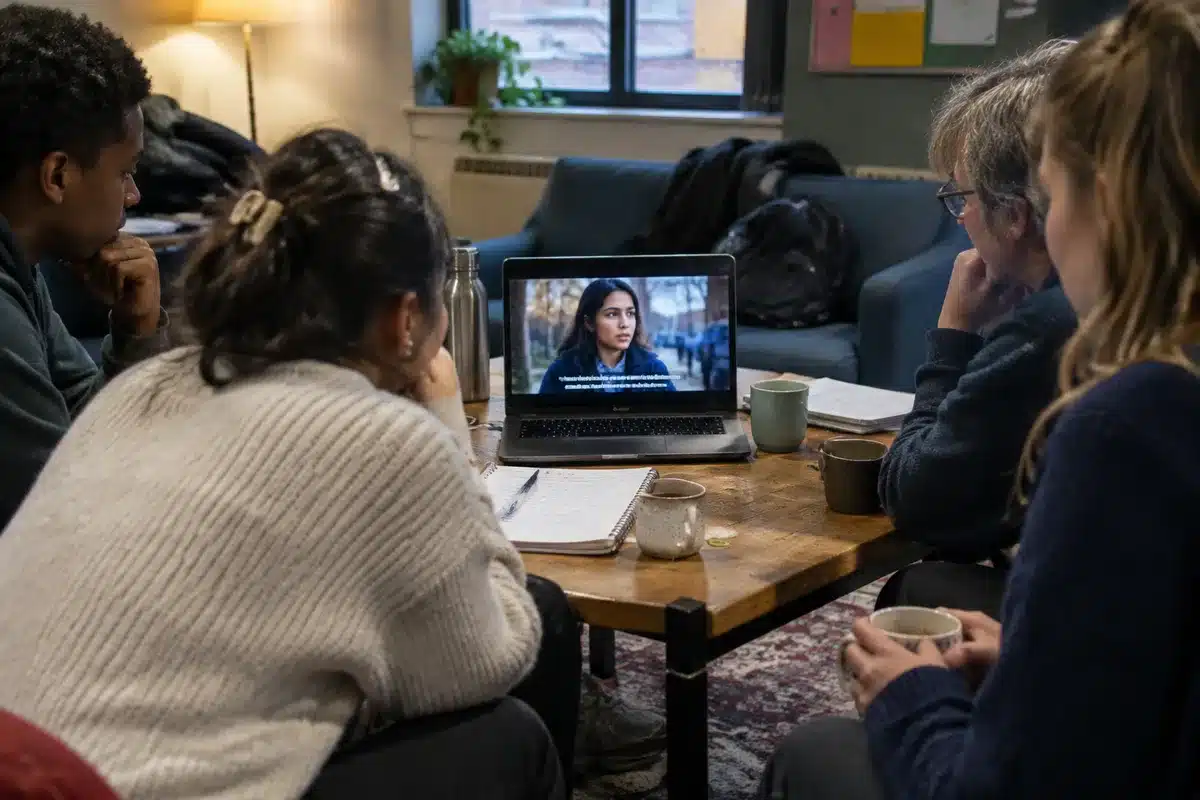
Fans in India are not passive consumers. Subtitling groups, discussion forums and fan fiction communities accelerate discovery and debate. Conversations move from social feeds to more public arenas: livestreams, college screenings, and cultural events that include panels about representation in media.
That activity matters to platforms and creators. Sustained interest can influence what gets licensed, localized, or adapted. It also raises questions about content moderation and local regulations, since depictions of same‑sex relationships still attract scrutiny in some markets.
| Source | Typical themes | Why it resonates in India | Where viewers often find it |
|---|---|---|---|
| Japanese BL (live-action TV) | Family dynamics, workplace prejudice, faith | Familiar social structures and intergenerational conflict | Global streaming platforms, fan-subbed uploads |
| Japanese BL (anime/film) | Introspection, identity, youth culture | Accessible entry point for younger viewers; artful storytelling | Legal anime services, specialty channels, community translations |
| Regional Asian BL (context) | Romance + sociopolitical themes | Cross-cultural appeal and established fan networks | Regional streaming hubs and social platforms |
These dynamics are already producing outcomes worth watching. Streaming services monitor engagement metrics and social chatter; strong, sustained interest can lead to more acquisitions or even local remakes. At the same time, episodes that confront conservative institutions sometimes face takedown requests or stricter age gating, underscoring the uneven regulatory landscape.
For creators and rights holders, the Indian response signals both an appetite for nuanced queer narratives and a responsibility to present them thoughtfully. For viewers, the dramas open up conversation — about family, safety and the limits of on‑screen representation — that extends beyond entertainment.
As cross-border fandoms continue to grow, the cultural ripple effects will be worth following: the stories young people choose to invest in often indicate what broader social conversations are beginning to shift.