Show summary Hide summary
On the congested streets of the National Capital Region, episodes of aggressive driving are no longer isolated incidents — they act as a mirror, reflecting deeper pressures shaping men’s behavior in the city. Understanding what fuels that anger on the road helps explain broader social and public-safety risks that matter for commuters, policymakers and families today.
Why road rage matters now
Traffic aggression is more than a momentary loss of temper. In the NCR it intersects with long commutes, rising costs, and shrinking personal space, turning routine travel into a flashpoint. When drivers escalate—shouting, tailgating, or physically confronting others—the immediate danger is obvious. Less visible are the chains of consequences: injuries, rushed policing, worsening public trust and the normalization of confrontational behavior.
Ganesha procession: reporter booked after clash sparks legal case
Road rage spikes in NCR, signaling rising stress among male drivers: how it affects your commute
For men in particular, road incidents often expose how social expectations around masculinity interact with stress. Public displays of dominance on the road can be a substitute for outlets that are less available in dense, competitive urban life.
Factors behind aggressive driving
There is no single cause. Instead, several pressures converge into a combustible mix:
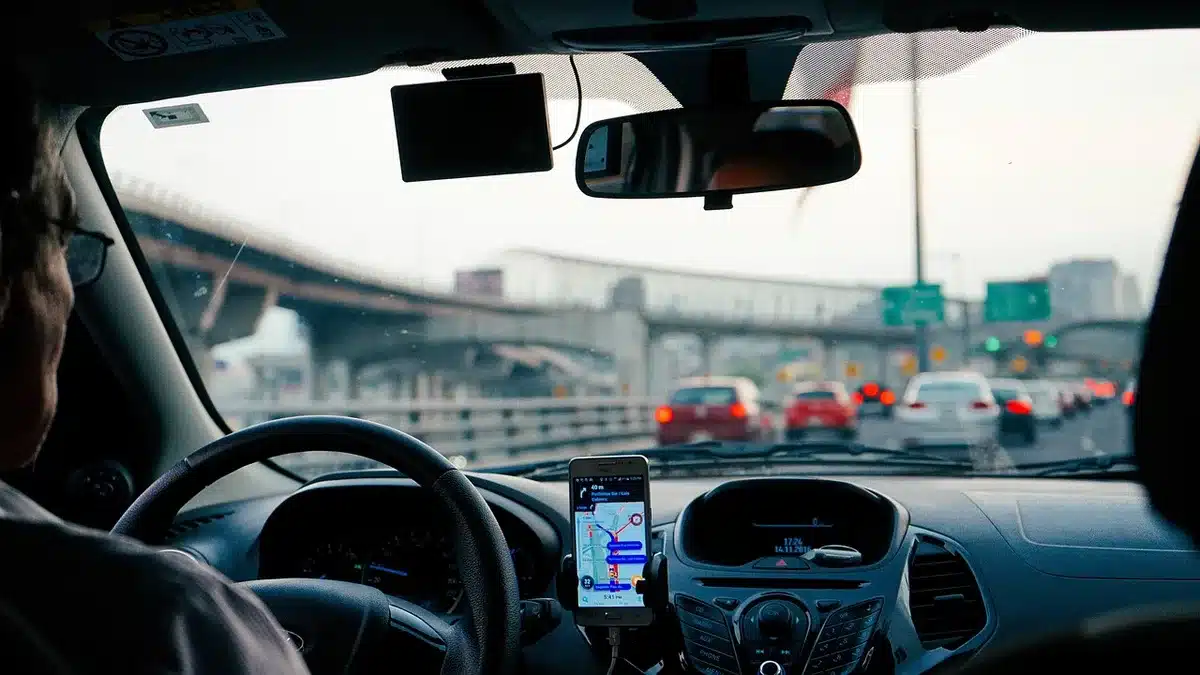
- Time pressure: longer commutes and erratic schedules increase frustration and impulsive responses.
- Perceived anonymity: crowded cities can make people feel faceless, reducing restraint.
- Masculinity norms: cultural expectations that equate assertiveness with respect can reward loud or risky behavior.
- Scarce public space: competition for road space — and parking — amplifies tension.
- Stress spillover: financial worries, job pressure and household responsibilities often surface in everyday interactions behind the wheel.
What this looks like on the ground
Incidents range from heated exchanges and dangerous maneuvers to physical altercations. Drivers report being cut off or blocked; passengers describe fear and humiliation. Emergency rooms sometimes treat victims of crashes triggered by aggressive driving. Beyond immediate harm, these episodes shape routines: some commuters detour to avoid hotspots, alter travel times, or switch transport modes entirely.

Neighborhoods see different patterns. In some outer suburbs, frustration stems from poor infrastructure and long travel times. Closer to the city center, the density of vehicles and frequent lane changes create a different set of triggers. The common thread is that untreated stress finds an outlet where it is both visible and consequential.
Policy and social implications
Tackling road rage requires more than traffic fines. A layered response can reduce incidents and address root causes.
| Area of action | What it targets | Potential effect |
|---|---|---|
| Infrastructure | Congestion, unsafe junctions | Smoother flows, fewer conflict points |
| Enforcement | Risky maneuvers, impunity | Deterrence through visible policing and clear penalties |
| Public awareness | Norms around driving behavior | Cultural shift toward restraint and civility |
| Mental-health and workplace policies | Chronic stress and time pressure | Reduced spillover of stress into public behavior |
Practical steps for drivers and authorities
Drivers can adopt simple habits that lower escalation risk: keep distances, avoid retaliatory gestures, and use apps that suggest calmer routes. Employers can also play a role by offering flexible hours or remote options to reduce peak-time pressure.
Authorities have several levers: targeted traffic-calming measures in hotspots, campaigns that reframe assertiveness as risky rather than admirable, and training police to deescalate confrontations without escalating conflict themselves.
How gender expectations play out
Public conduct on the road often ties into expectations about male behavior — toughness, control, quick dominance. When everyday life offers limited channels to demonstrate status or competence, the car becomes a stage. Recognizing this dynamic is not about stereotyping individual men; it is about seeing how social incentives shape choices in stressful environments.
Programs that offer alternatives — community sports, mentorship, or affordable mental-health support — can reduce incentives to perform aggression as a way of proving oneself. Over time, those alternatives change what is considered socially acceptable in public spaces.
In the end, road rage is a civic problem. It reveals strains in infrastructure, culture and daily life that affect everyone who uses the city’s streets. Addressing it will require practical traffic fixes, better enforcement, and a shift in social expectations — a mix of policy and social change that curbs dangerous behavior and improves everyday safety for the NCR’s commuters.