Show summary Hide summary
A short social media clip by an Indian woman living in the UK has reignited a familiar debate about daily life and time for oneself. The video—posted in mid‑August 2026—juxtaposes evening routines in British towns with those in Indian cities, arguing that five weekdays of little personal time leave weekends powerless to restore balance.
Everyday scenes, different rhythms
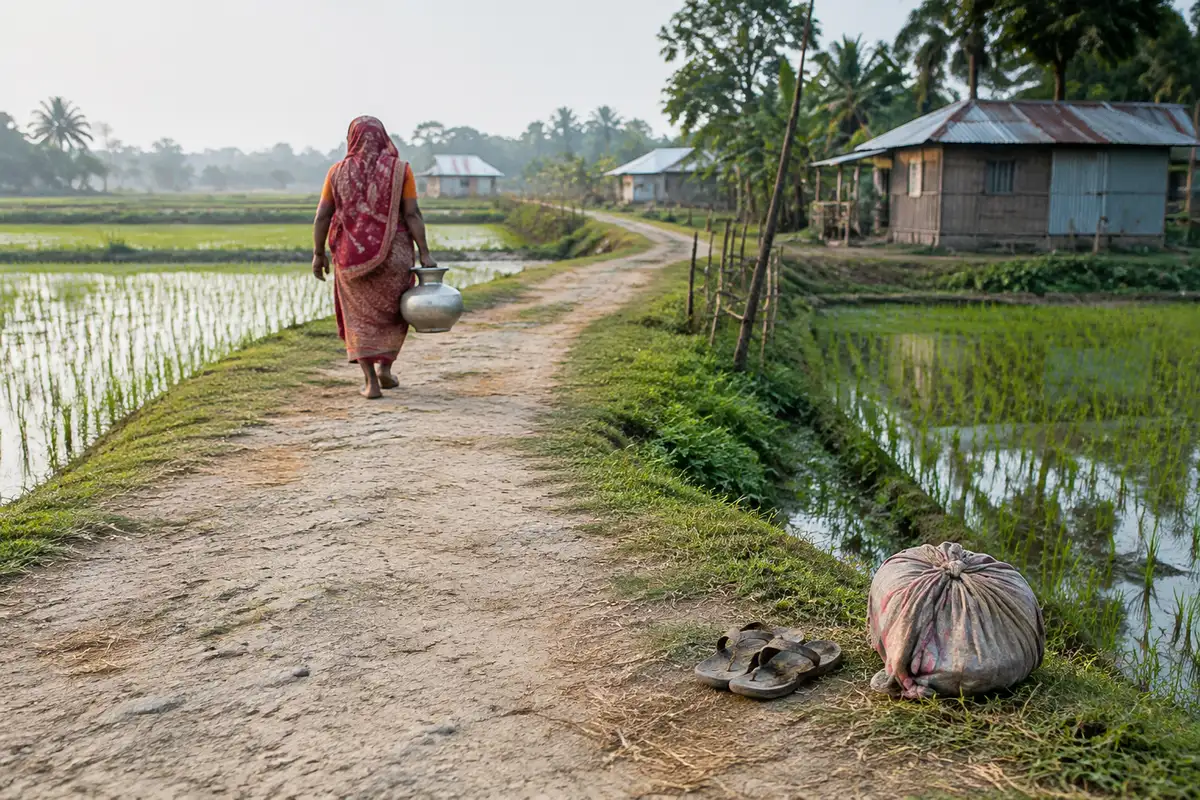
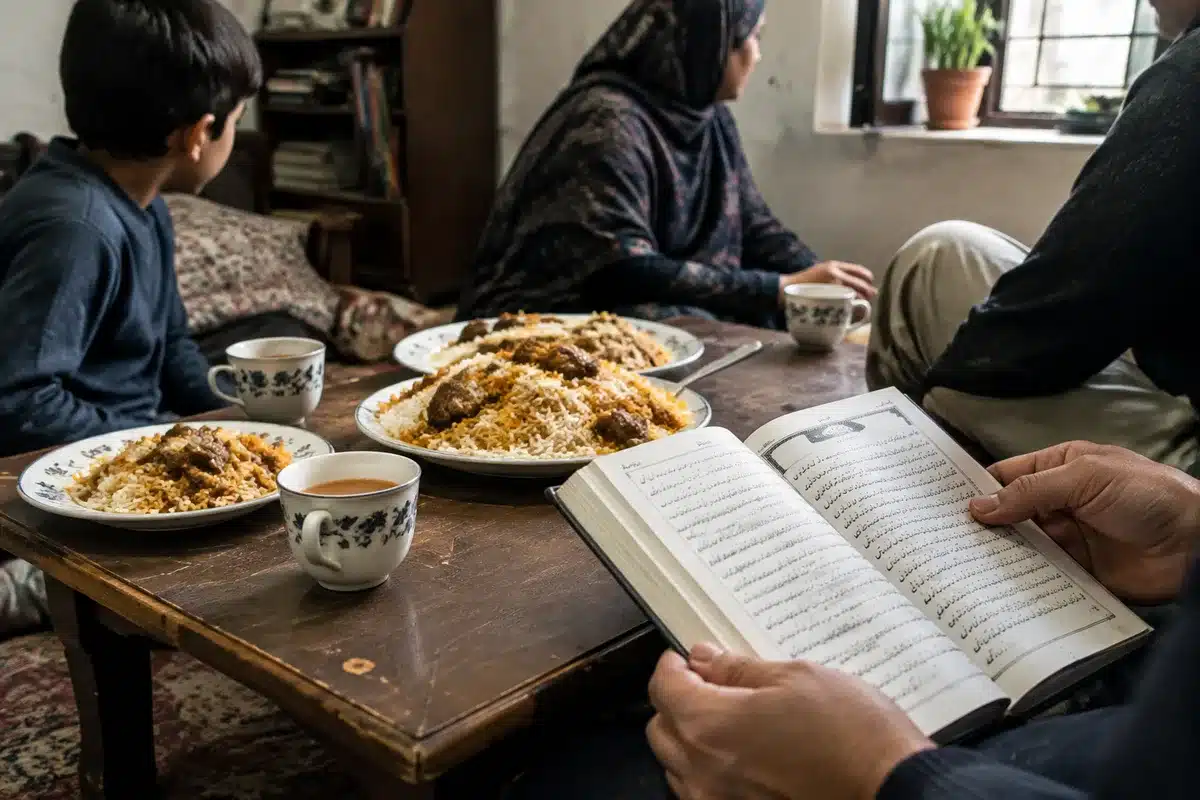
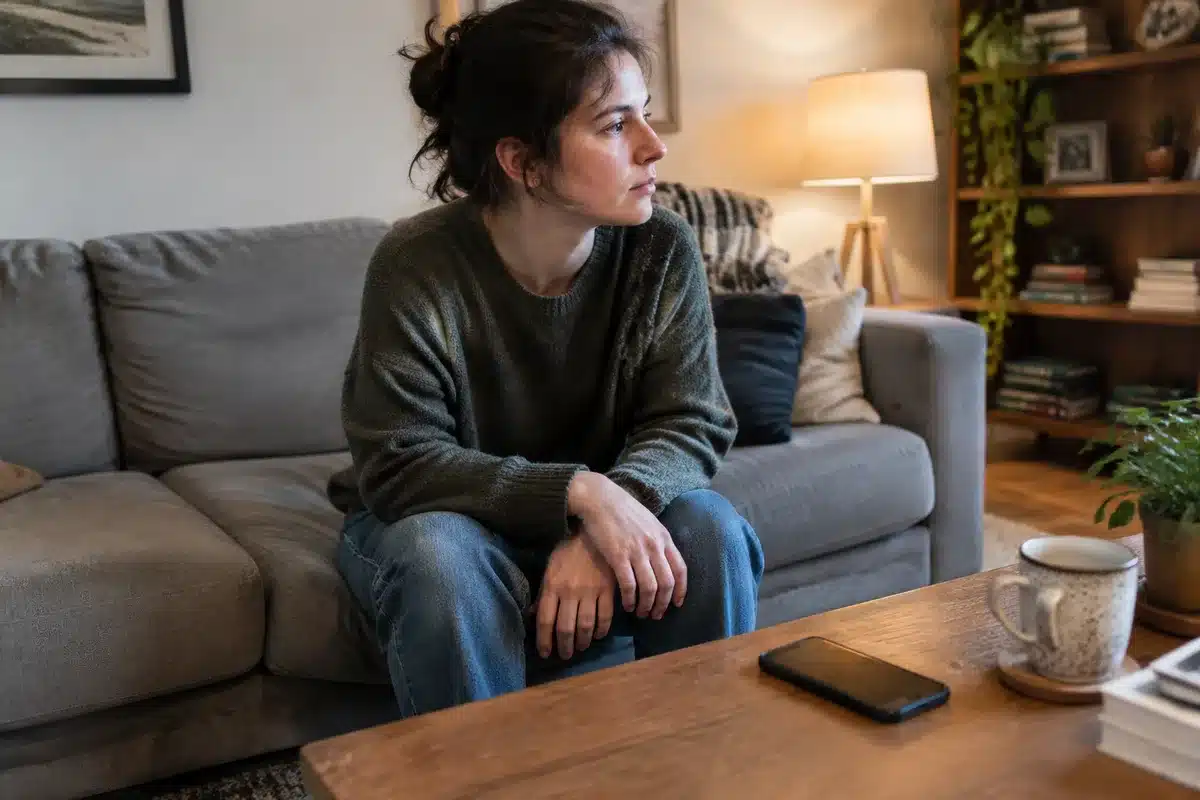
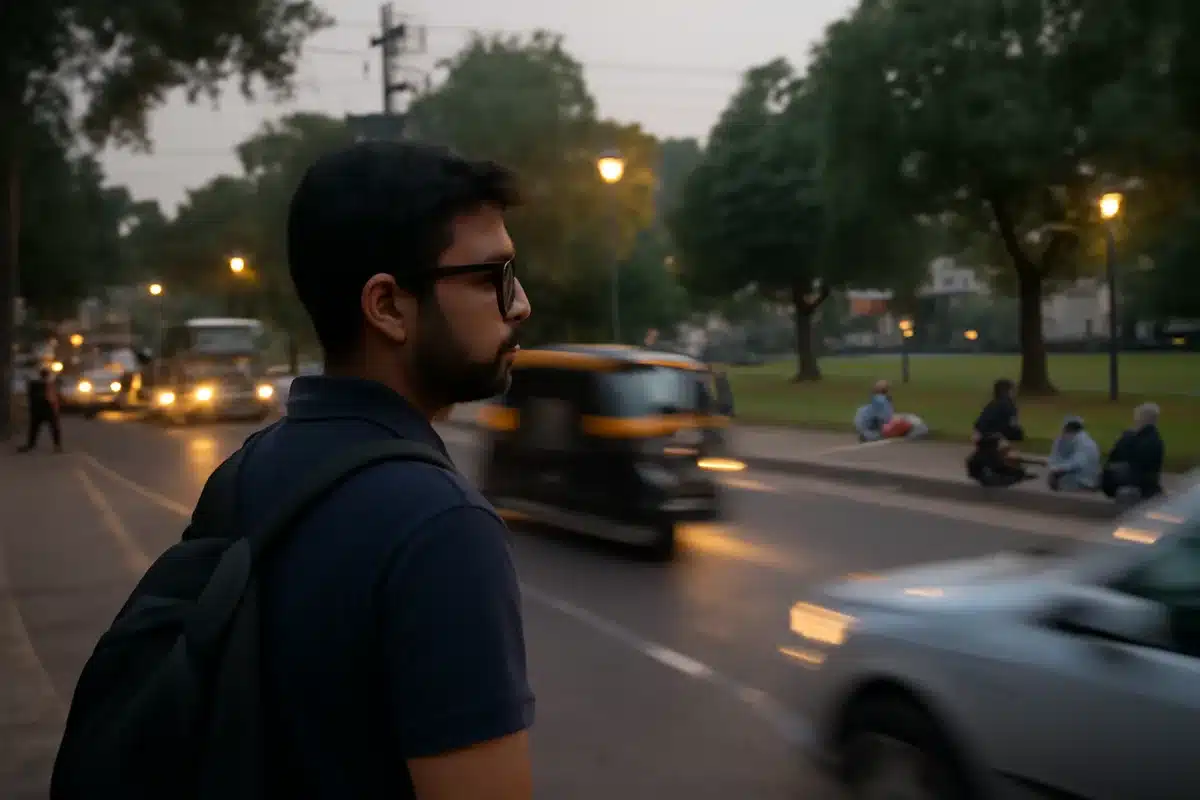
In the footage, scenes of people lingering in parks, sharing casual meals and walking home at a relaxed pace are set against images of crowded commutes and hurried returns to small flats. The creator, Anushka Vyas, framed these contrasts as more than cultural quirks: she portrayed them as indicators of how working lives shape overall well‑being.
Annamalai applauds Bhagwat’s message on Muslim inclusion in India
Navratri in Times Square goes viral: social media splits over Indian celebrations abroad

That claim matters now because conversations about working hours, urban design and mental health are resurfacing across countries as employers and governments reassess post‑pandemic norms. The clip resonated widely—partly because it puts a familiar question in plain sight: are two days of rest enough when five are spent rushing?
Key differences people notice
- Evening pace: Scenes in the UK show people pausing outdoors after work; in many Indian cities, evenings are dominated by the push to get home.
- Commute length and mode: Longer, more congested journeys or packed public transport can reduce private time in some urban areas.
- Workplace culture: Expectations around overtime, after‑work socializing and immediate availability vary by sector and country.
- Access to public space: Readily available parks and pedestrian areas make it easier to unwind near home or work.

Side‑by‑side: what the clip suggests
| Aspect | Typical depiction in the video — UK | Typical depiction in the video — India |
|---|---|---|
| After‑work activity | Leisurely walks, family time, park benches | Rushed commutes, quick meals at home |
| Time available for self | Visible pockets of free time on weekdays | Most free time concentrated on weekends |
| Public spaces | Accessible and used in evenings | Often crowded or less accessible |
Why this comparison has wider implications
Framing these differences as a matter of life quality draws attention to concrete consequences: chronic fatigue, reduced family interaction and limited opportunities for informal socializing can affect productivity and mental health over time. For workers weighing relocation or career choices, weekday living conditions become a practical factor, not just a lifestyle preference.
Employers, meanwhile, can read the conversation as a prompt to revisit schedules, commute support and flexible options. City planners and local authorities also play a role: investments in safer, accessible public spaces and smoother transport networks shape how residents spend their evenings.
What people are taking away
- Some viewers see the clip as validation for pushing companies toward flexible hours or remote work.
- Others interpret it as an illustration of how urban infrastructure and commuting patterns constrain daily life.
- For many, it’s a reminder that the distribution of leisure across the week affects long‑term well‑being—not just weekend plans.
The short video is unlikely to settle complex debates about culture, policy and economics, but it has sharpened a question that affects millions: how should a working week be structured so that people have meaningful time to live, not just to work?