Show summary Hide summary
Imagine a short social-media reel that transports viewers into a typical day in India during the 1980s — no push notifications, no algorithm-driven feeds, only slow, human rhythms. That quiet ordinary life matters now because it highlights how daily routines, community ties and media habits once shaped time and attention in ways that feel markedly different from today.
Morning: small rituals, big presence
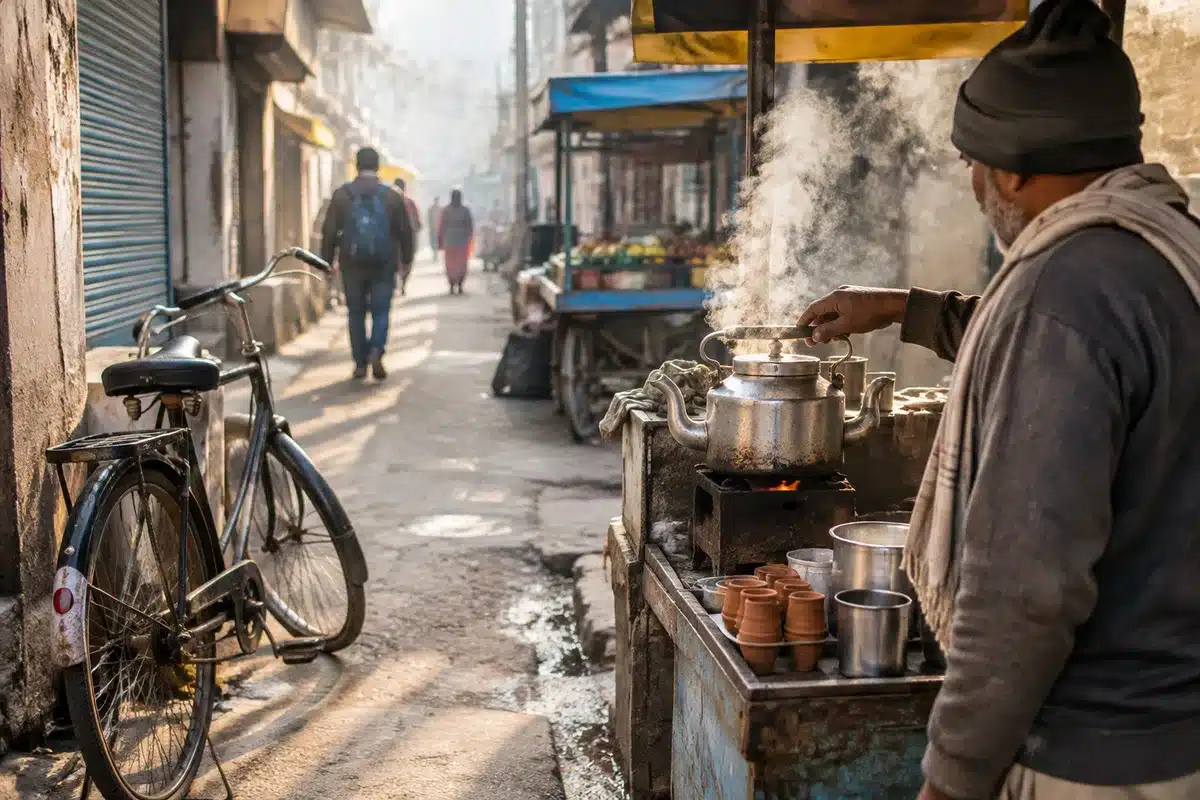
Dawn often arrived accompanied by the hiss of a kettle and the scent of freshly brewed chai. Kitchens were active hubs: someone stoked the stove, children readied school bags, and a bicycle bell threaded through narrow lanes as commuters set off.
Zubeen Garg first death anniversary draws mass tributes in Assam: family pushes for legal answers
India in the 1980s: a day of chai, radio and neighborhood life before phones

There was a tangible choreography to these moments — neighbors exchanged quick greetings, shopkeepers swept thresholds, and fresh produce markets opened in predictable pockets of the city and village alike. Simple routines punctuated the start of the day, giving mornings a steady, familiar tempo.
Midday and work: public life, face-to-face
Workdays were shaped by physical presence. Offices, small businesses and street stalls depended on personal interactions. Commuting relied on shared transport and two-wheelers rather than private cars or ride-hailing apps.
For many, an afternoon meant a visit to the local market or a shop where bargaining, small talk and long-term relationships mattered as much as price. In towns and villages, public spaces doubled as social networks: conversations that now happen in digital threads unfolded in lanes, tea stalls and village squares.
Evening: collective media and family time
When daylight faded, households often gathered around a single screen or a transistor radio. Broadcast schedules created communal attention: families tuned in at the same time across neighborhoods, and water-cooler conversations the next day reflected the same shared moments.

Meals were both a practical and social anchor. Evenings encouraged slow conversations, card games, and a relaxed rhythm that extended long after the last spoon clinked.
Visual and audio cues for a convincing 1980s reel
| Time of day | Key visuals | Sound & props |
|---|---|---|
| Morning | Bicycle on narrow lane, steaming kettle, local vendor stalls | Whistling kettle, bicycle bell, street chatter |
| Noon | Busy market scenes, office courtyards, hand-written bills | Paper rustle, voices bargaining, ambient traffic hum |
| Evening | Family around one TV or radio, dim lamp-lit rooms | Broadcast jingle, low conversations, clinking plates |
| Night | Quiet streets, porch lights, someone locking a door | Cricket in the background, distant footsteps |
How to translate the nostalgia for modern audiences
Recreating a 1980s day isn’t just about period props; it’s about pace and texture. A reel that slows down scenes, lingers on everyday gestures and prioritizes ambient sound can signal authenticity more effectively than an overload of visual detail.
- Focus on small acts: tamping tea leaves, folding laundry, tying shoelaces — these moments tell a larger story.
- Use ambient audio over loud music to recreate a lived-in atmosphere.
- Frame interactions: a two-person conversation or a vendor-customer exchange gives the viewer a human anchor.
- Limit modern artifacts — a single analog clock, handwritten signs or a transistor radio can anchor the time period.
Why does this matter now? Beyond nostalgia, these scenes offer a reminder: daily life once unfolded through slower rhythms and shared attention. For readers and creators, that contrast highlights how technology has redistributed our time and altered small social habits — lessons worth noting as we plan how to live with the devices that shape our days.