Show summary Hide summary
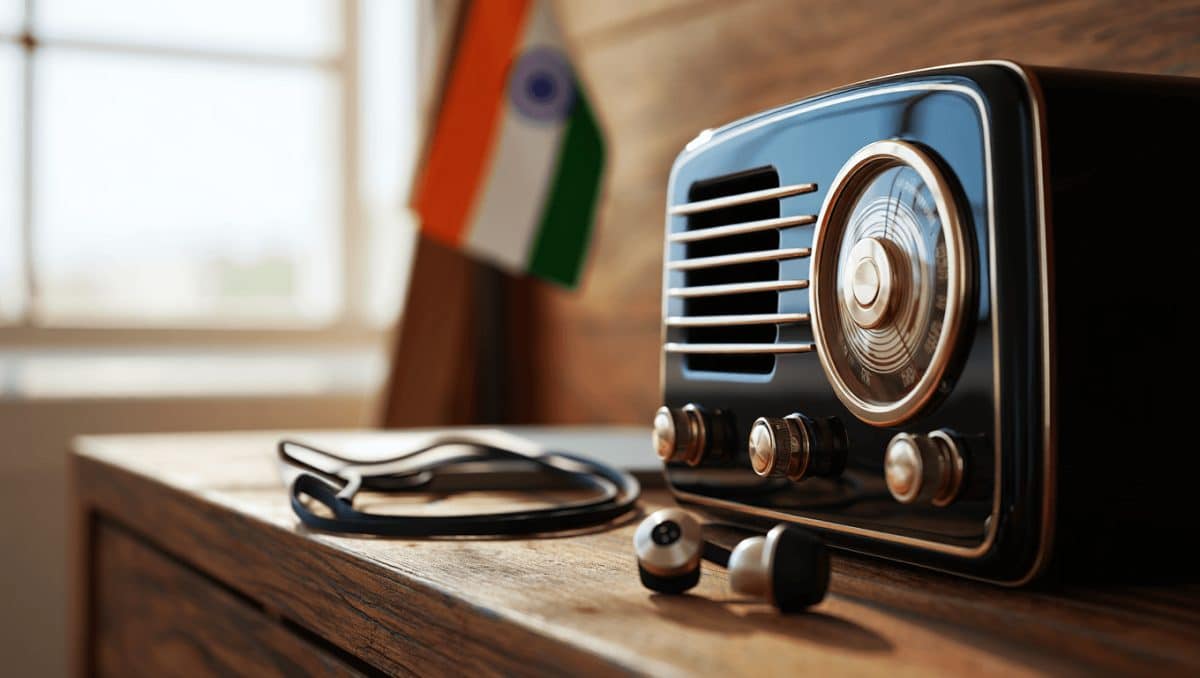
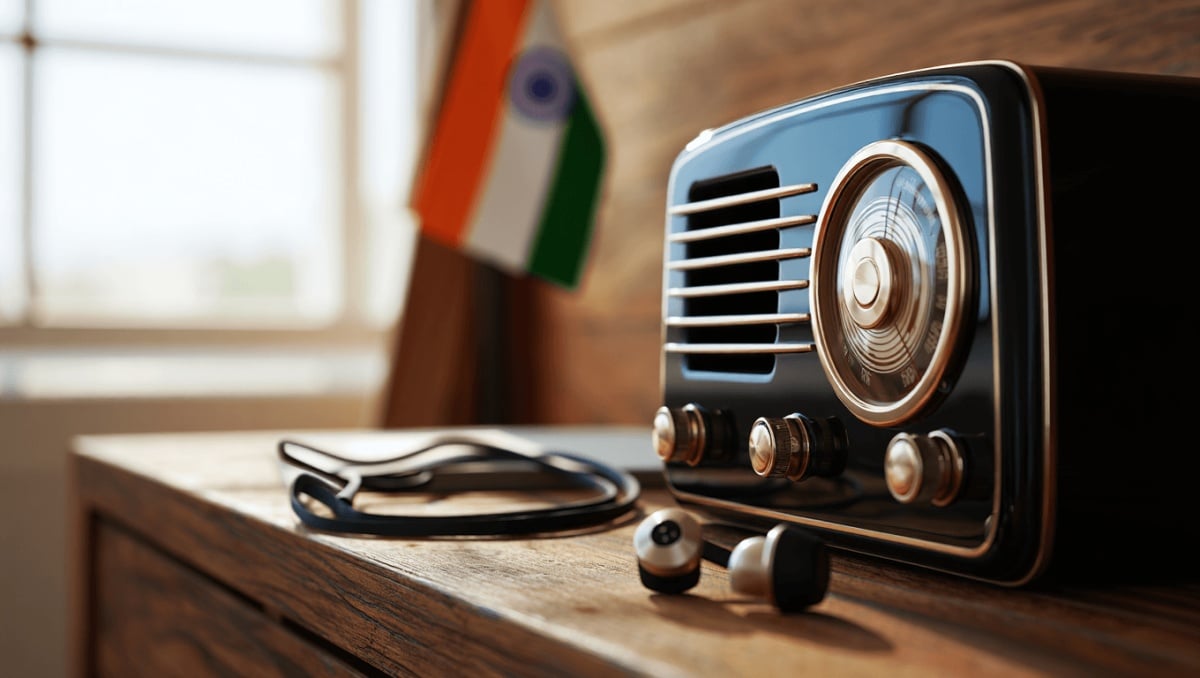
Each July 23, India marks a milestone in its media history: the day organized radio broadcasting began on the subcontinent. What began as a handful of transmitters in 1927 has grown into a sprawling, multilingual ecosystem that still shapes public life—informing voters, keeping communities connected during crises, and carrying regional cultures into living rooms across the country.
Early signal, lasting reach
The first licensed broadcasts set in motion a public communications system that would be reshaped repeatedly over the last century. The original commercial service that started in 1927 eventually came under state direction and evolved into what is now known nationally as All India Radio. That shift anchored radio as a tool for national cohesion as well as a source of news and cultural programming.
Tarun Bhattacharya: santoor maestro calls music India’s chief cultural envoy
Kashi to Kedarnath costs revealed: how much a Sawan pilgrimage will set you back
Radio’s footprint expanded far more quickly than many other mass media because it did not depend on literacy or costly infrastructure. Even today, audio services remain a primary news source in many rural areas and for older audiences who rely on radio during storms, elections and other fast-moving events.
From analogue waves to on-demand streams
Broadcasting is no longer limited to AM transmitters. Over the past three decades the sector diversified into FM stations, satellite television and, more recently, online streaming and podcasts. These platforms coexist: FM still dominates local music and community bulletins, while national broadcasters and private channels reach millions through satellite and digital feeds.
The public broadcaster, overseen by statutory bodies, has tried to balance education, emergency alerts and impartial news with the commercial pressures that shape private media. At the same time, independent producers and local stations have used new technologies to reach niche audiences and preserve regional languages and oral traditions.
Why it matters now
Two clear trends make this anniversary timely. First, the migration to digital platforms has accelerated audience fragmentation: people consume the same station via DTH, apps or terrestrial receivers. Second, the information environment is noisier—misinformation spreads quickly on social channels, increasing the value of reliable, accountable broadcast outlets.
For readers, that translates into concrete stakes: during natural disasters, robust broadcast networks still save lives; during elections, dependable reporting helps voters make informed choices; and for daily culture, radio and television remain primary vehicles for language, music and regional storytelling.
| Year | Milestone | Why it mattered |
|---|---|---|
| 1927 | First organized broadcasting service launched | Established a regular public radio presence across cities |
| 1930s | State consolidation and formation of national radio services | Created a unified radio network with national reach |
| 1990s–2000s | FM expansion and private channels | Increased local programming and commercial diversity |
| 2010s–present | Rise of streaming, podcasts and hybrid broadcast-delivery | Broader access, on-demand listening and new revenue models |
Contemporary challenges and opportunities
Broadcasters face several competing pressures. Regulatory frameworks and public mandates demand impartiality and emergency preparedness, while market forces push toward sensational content and targeted advertising. The digital shift presents both a reach advantage and a barrier: while content can be delivered globally, reliable internet access remains uneven.
At the same time, new technologies offer editorial gains—better audience analytics, low-cost production tools and wider distribution channels. Local stations and community radio have used these tools to revive oral histories, promote education in mother tongues and provide hyper-local news that national outlets rarely cover.
- Emergency resilience: Terrestrial broadcasting remains crucial during power cuts or network outages.
- Democratic function: Broadcast outlets provide a regulated platform for public information during elections and policy debates.
- Cultural reach: Radio and television continue to sustain regional arts, music and languages.
- Digital transition: Streaming and podcasts broaden distribution but raise questions about access and moderation.
What to watch next
Expect the next wave of change to revolve around integration rather than replacement: broadcasters will increasingly weave together live radio, linear TV and on-demand digital offerings. Regulatory conversations—about public-interest obligations, content moderation and spectrum use—will shape who benefits from those services.
On this anniversary, the day is less about nostalgia and more about examining how an institution born with a single transmitter continues to adapt. For citizens, the ongoing questions are practical: will broadcasters remain accessible and reliable in crisis, and will they reflect the linguistic and cultural diversity of the communities they serve?