Show summary Hide summary
An internal IIT Bombay memo sent to students this week warns that asking peers about their admission category or exam ranks — such as JEE or GATE scores — can create bias and may be inappropriate. The guidance, framed as part of broader anti-discrimination measures, comes amid ongoing student protests and renewed scrutiny after the recent death of a second-year engineering student whose family has alleged harassment.
What the institute told students
The email circulated by IIT Bombay urges the campus community to avoid questions or conversation that could reveal a student’s background or unintentionally expose them to stereotyping. Administration officials said even seemingly casual queries can be interpreted as attempts to determine a peer’s caste or socioeconomic status, potentially opening the door to exclusion or mistreatment.
Govardhan Puja 2026: Annakut draws pilgrims as parikrama and special darshans kick off
Diwali: crucial updates on travel, markets and celebrations

The guidance covers a range of behaviours the institute deems unacceptable on campus, warning that sharing or circulating material that is abusive, hateful, casteist, sexist, or otherwise bigoted may lead to disciplinary action.
How students have reacted
A group of students who have been camped at the main gate for 25 days challenged the new notice, saying it repeats rules released after a similar tragedy three years ago. They argue the message, while acknowledging that faculty or staff can engage in discriminatory conduct, is addressed solely to the student body and lacks concrete measures to hold other campus actors accountable.
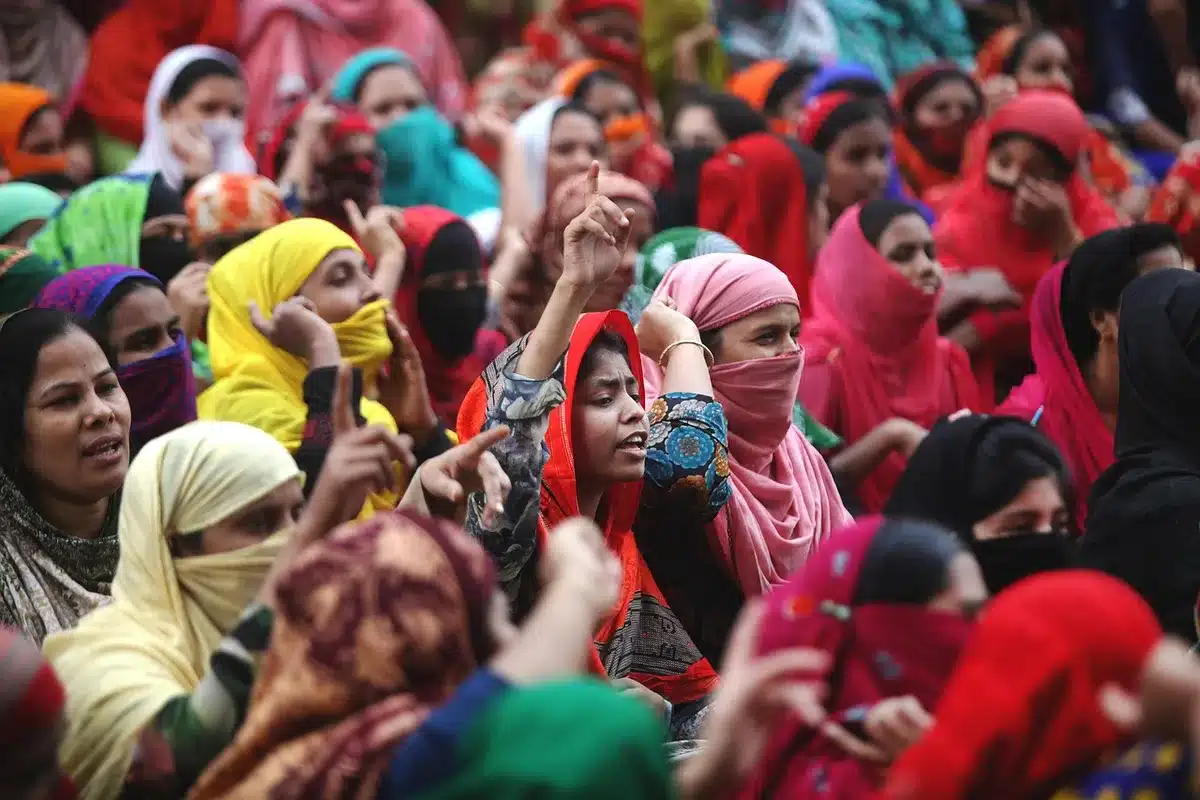
“Stop sending template emails with no substance,” protesters told the administration, according to people at the gate, and they have demanded a direct dialogue with campus leadership rather than further circulars.
| Issue | What the memo says | Student demands / status |
|---|---|---|
| Questions about admission details | Avoid asking about admission category, ranks or scores that could reveal personal background. | Students say this is insufficient unless faculty and staff are also explicitly bound by new rules. |
| Hateful or abusive content | Prohibits forwards, messages or jokes that are casteist, sexist, homophobic or otherwise hateful. | Protesters want clearer enforcement steps and independent oversight. |
| Context of release | Issued after the death of a second-year B.Tech student; family has filed an FIR alleging harassment. | Campus protest continues; alumni groups and outside observers have called for a fair investigation. |
Why this matters now
The memo arrives at a sensitive moment: protests have stretched on for weeks and the police have been notified about alleged harassment related to the student’s death. For many on campus, the issue is not only the language of a single circular but whether IIT Bombay will change how it prevents and responds to discrimination.
Beyond the immediate campus, the situation raises broader questions about how elite institutions handle caste-related disclosures and the social pressures tied to high-stakes entrance exams. If casual queries about rank or category create stigma, administrators and faculty may need clearer, enforceable policies to protect student wellbeing.
- Immediate implications: Potential disciplinary action for students who violate the guidelines; continued protests until demands for dialogue are met.
- Institutional stakes: Calls for transparent investigation, possible reputational impact, and pressure from alumni and civil society groups.
- Student wellbeing: Families and peers want stronger safeguards around harassment and mental-health support.
Students said it remains unclear whether faculty and staff will receive parallel instructions or face similar oversight. The institute has not publicly released a timetable for further engagement with the protesting cohort or details of enforcement procedures beyond the memo.
For now, the circular has sharpened attention on campus culture and on how questions that may seem innocuous can have real consequences for inclusion and safety. With protests ongoing, many are watching whether IIT Bombay will move from issuing reminders to adopting binding, transparent steps that address both behaviour and institutional accountability.