Show summary Hide summary
Russian President Vladimir Putin told state media he has grown increasingly intrigued by India’s deep historical roots and its vast mosaic of languages, casting those features as a key part of the relationship between Moscow and New Delhi. His comments, made in a recent interview with Sputnik, underline a cultural angle to bilateral ties at a moment when geopolitical partnerships are under close international scrutiny.
Speaking about a recent exchange with Prime Minister Narendra Modi, Putin said he had asked how many Indians spoke the country’s official language and was given figures that surprised him. He relayed that Mr. Modi had told him roughly 600 million people use the official language, while the country’s total population was described as “about a billion,” leaving a sizable share who use other tongues.
What Putin highlighted
Govardhan Puja 2026: Annakut draws pilgrims as parikrama and special darshans kick off
Diwali: crucial updates on travel, markets and celebrations
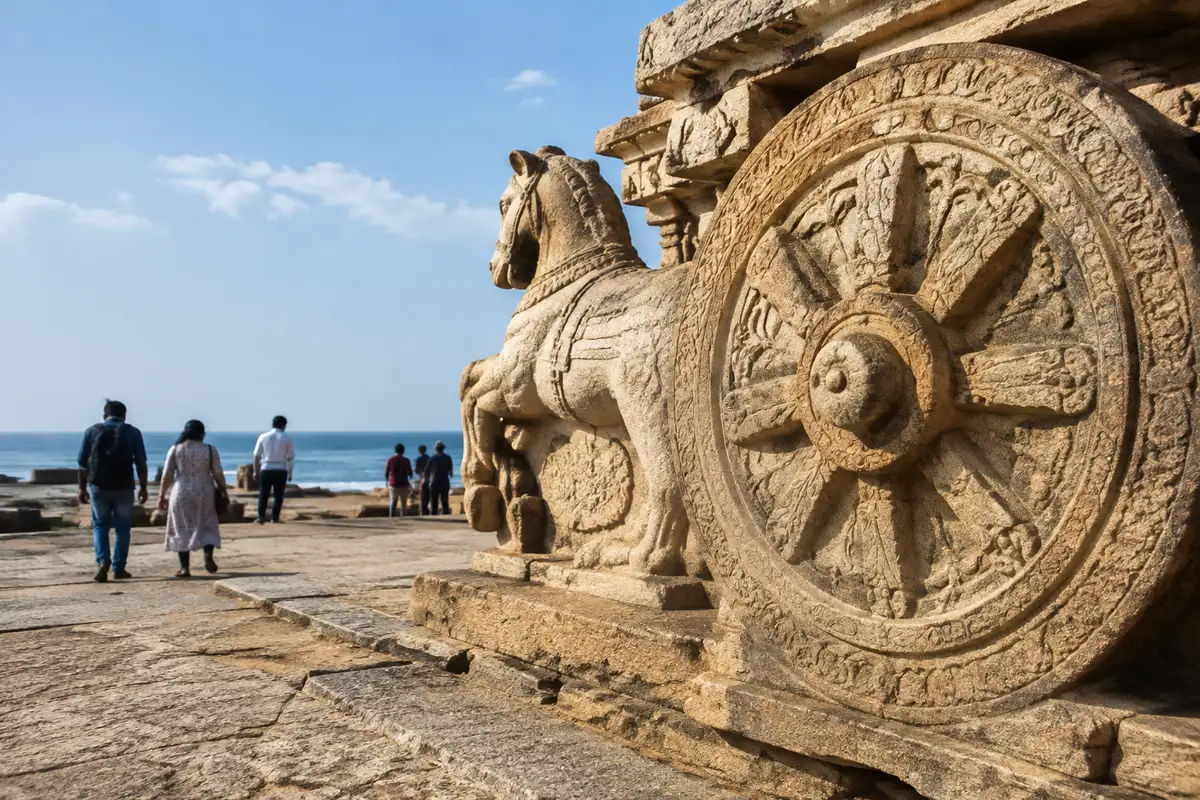
- He expressed admiration for what he called India’s status as one of the world’s oldest cultures and civilisations.
- He noted the sheer scale of the country’s many languages and called that diversity striking.
- He repeated figures mentioned during his conversation with Prime Minister Modi — approximately 600 million speakers of the official language vs. a broadly stated national population.
- The remarks were made in an interview with Russian state agency Sputnik and framed as part of his growing interest in Indian history and culture.
Putin described India’s past as especially compelling, saying his curiosity has deepened as he learns more about the subcontinent’s long cultural record. That emphasis on shared history and admiration for cultural complexity can be read as part of a broader diplomatic narrative: cultural ties often accompany strategic and economic discussions between nations.
Beyond the diplomatic tone, the comments touch on a practical reality: India’s linguistic diversity shapes governance, media, and public life. The Indian Constitution recognises 22 scheduled languages, and hundreds of additional languages and dialects are used across states and communities.
Why it matters now
The exchange matters because public affirmations of cultural respect can strengthen diplomatic rapport at moments when countries negotiate trade, defense cooperation or multilateral alignment. By emphasising heritage and language, leaders create a softer, more human dimension to state relations that complements formal agreements.
At the same time, citing large population and language figures — even conversationally — may prompt scrutiny from journalists and analysts who track how such numbers are used in public diplomacy. Accurate demographic context matters when leaders reference statistics to illustrate cultural points.
The Sputnik interview adds a cultural subplot to the ongoing Russia–India relationship, showing how history and language are being invoked alongside more familiar strategic conversations.