Show summary Hide summary
Traditional Hindu texts prescribe a demanding daily routine for Brahmins that many modern professionals find difficult to follow. With more people working regular jobs, the question now is practical: which rites are essential, and how can the obligations be adapted without losing their intended social and spiritual effects?
A day prescribed by the sastras
The classical schedule begins well before dawn. Texts instruct a devotee to rise in the period known as Brahma muhurta—roughly two hours before sunrise—then proceed through a sequence of personal and public rites designed to serve the gods, the ancestors and society.

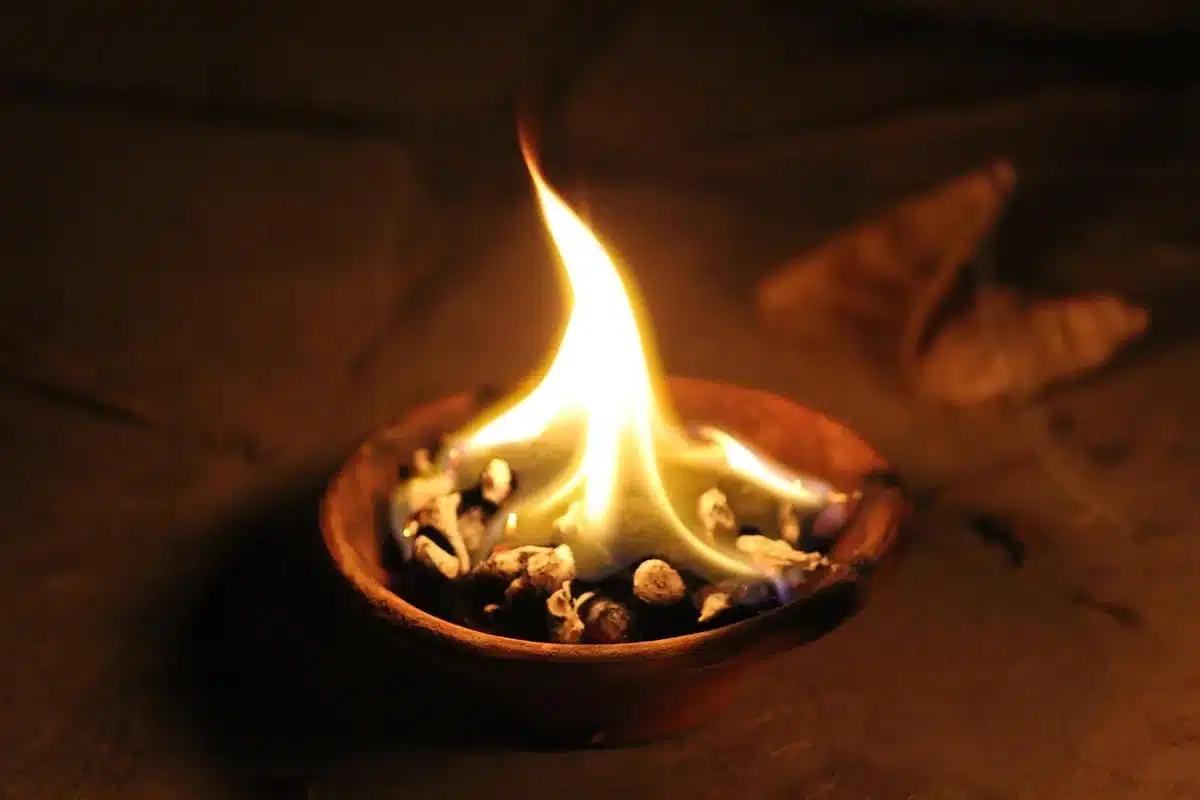
Early-morning acts typically include personal purification, recitation and meditation, followed by household fire rituals. These are grouped under terms like sandhyavandana, aupāsana and agnihotra. The day’s study and recitation of sacred texts—often called Brahmayajna—comes next and may involve libations and specific offerings.
Govardhan Puja 2026: Annakut draws pilgrims as parikrama and special darshans kick off
Diwali: crucial updates on travel, markets and celebrations
Teaching disciples or students is an important daytime duty, and the texts expect the practitioner to secure flowers, food and other materials—often by accepted begging—solely for ritual needs and subsistence. A portion of received gifts traditionally supports other priests and the performance of rites; at the same time the Brahmin is enjoined to distribute alms and make donations as part of his duties, not merely to accept gifts.
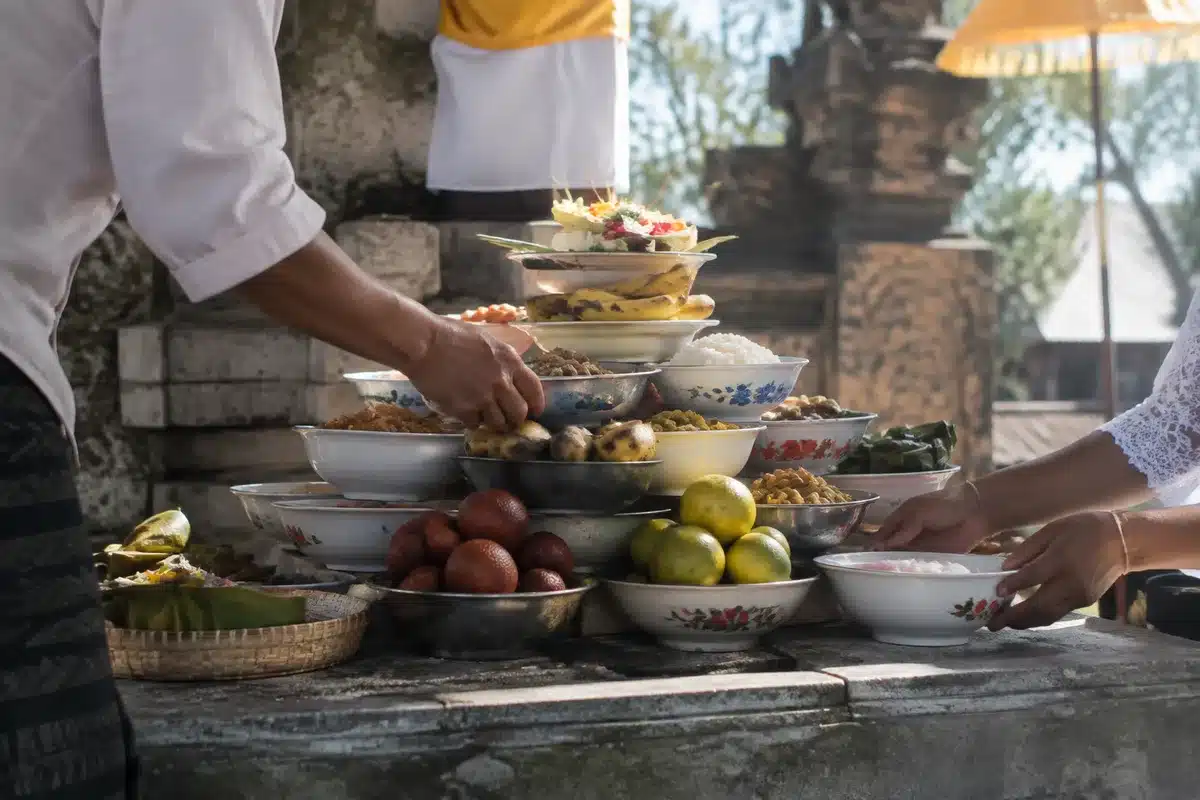
Midday rituals include offerings to ancestors (pitr-tarpana), additional fire ceremonies and public worship. By the rites’ logic, certain communal duties—feeding guests and making offerings to all creatures—must occur before the householder’s meal.
- Panca-mahayajnas: Five great obligations frame daily life; two highlighted here are manusya-yajna (hospitality to guests) and bhutayajna (bali and feeding creatures and the poor).
- Meals are traditionally taken only after guests and sacrificial obligations are attended to; special rites such as sraddha (ceremonies for the dead) have specified time windows.
How daytime is measured
The scriptures describe the day in several ways. One system splits daylight into eight parts; another divides it into five segments, each made up of discrete time units (nadikas). In practical terms, rites like the midday offering may be scheduled in a window that accommodates modern constraints while remaining faithful to scriptural timing.

There are also calendar observances: for example, fasting is prescribed on days such as Ekadashi, and some sacrificial acts recur in the evening or at night. The overarching pattern is continuous work—study, worship, hospitality, and charity—rather than leisure.
Practical adjustments for contemporary life
For Brahmins employed in offices or on shift schedules, full observance of every classical rite is often impractical. The traditional texts also indicate flexibility: ritual timing can be adjusted to fit legitimate constraints, provided the spirit of the obligations—study, worship and public service—is preserved.
Common, pragmatic adaptations include:
- Performing the essential morning rites as early as possible and compensating with extended recitation or japa in the evening.
- Shifting midday rituals into nearby permissible windows (for example, treating the sangava period as an acceptable time for some madhyahnika rites).
- Using holidays and retirement years to complete more time-consuming ceremonies missed during working life.
- Prioritizing public-facing obligations—feeding guests and the poor—when time or resources are limited, since these duties have explicit social benefit.
Practical flexibility does not mean the texts’ demands are meaningless. Rather, they organize a life of discipline intended to balance personal austerity with ongoing service to the wider community.
Many authorities urge those who could not observe every rite while employed to treat retirement years as an opportunity for fuller practice. The scriptures record rare cases where people learned or resumed Vedic practice later in life, suggesting that recovery and recommitment are possible.
The stakes are communal as much as individual: the rites—beyond personal piety—are framed as contributing to social welfare, public hospitality and charity. Preserving them, even in adapted forms, is presented in the tradition as a contribution to the broader good.