Show summary Hide summary
The Vedic tradition, one of South Asia’s oldest continuous cultural streams, is attracting renewed attention—from scholars digitizing manuscripts to young people exploring yoga and ancestral rituals. Understanding its basic elements matters now because debates over cultural heritage, language preservation and spiritual practice are shaping public life across South Asia and the global diaspora.
What people commonly call “Vedic” covers a wide range: ancient hymns recited on ritual altars, philosophical reflections that formed later schools, and everyday ethics that influenced social norms for millennia. The ecosystem of texts, practices and transmission methods is complex but can be described in a few accessible parts.
Core sources and what they mean
Shah Rukh Khan used the name Abinav to ease in-law worries: Gauri adopted Ayesha during nikaah
Javed Akhtar hails Hindu festivals as cultural glue: throwback of atheist celebrating resurfaces
The foundation of the tradition is the corpus known broadly as the Vedas. These are collections of verses and ritual formulas originally passed down orally. Over time, commentaries and later works—especially the Upanishads—shifted emphasis from public ritual to inward reflection, shaping the philosophical vocabulary central to Indian thought.
Alongside these texts, a living practice of ritual performance and priestly learning preserved techniques of pronunciation, meter and musical recitation. That oral discipline is one reason much of the material survived intact for centuries.
Key components at a glance
- Scripture: Collections of hymns and ritual instructions (the Vedas) and subsequent philosophical treatises (Upanishads, Brahmanas).
- Rituals: Sacrifices, chants and rites that structured communal and household life.
- Language: Classical Sanskrit served as the conservator of form and meaning across generations.
- Ethics and law: Concepts of dharma guided duties and social order, though their application varied by time and place.
- Transmission: Oral pedagogy and memorization techniques ensured fidelity before written transmission widened.
Why the Vedic tradition matters to readers today
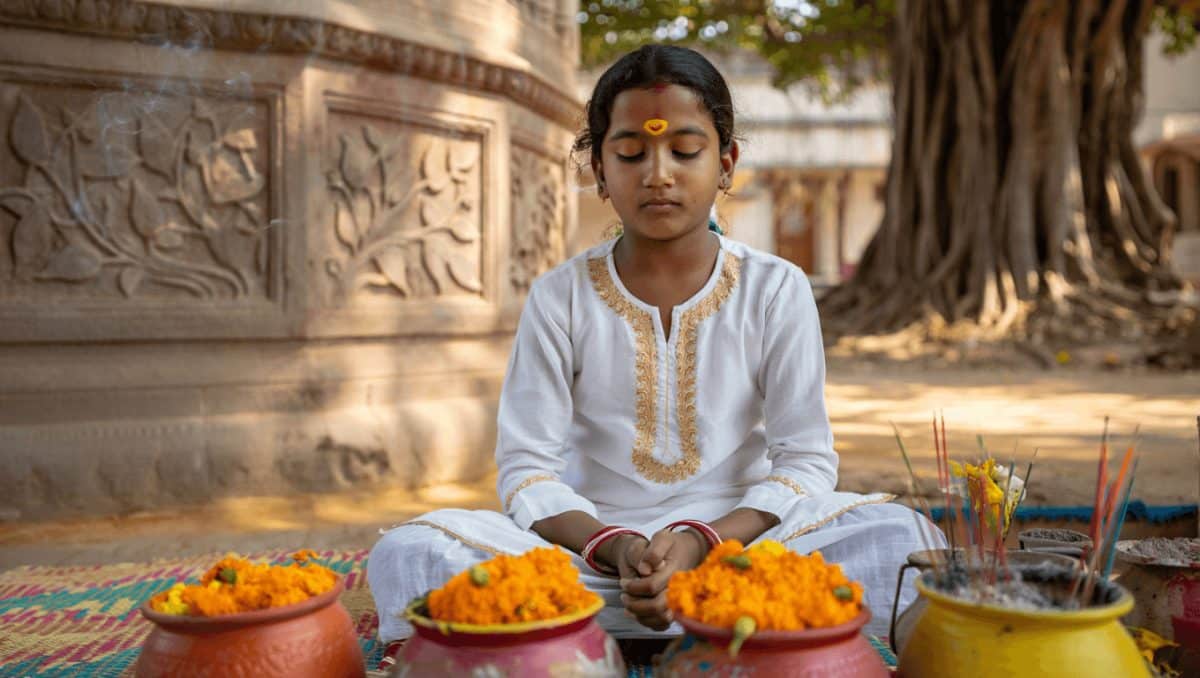
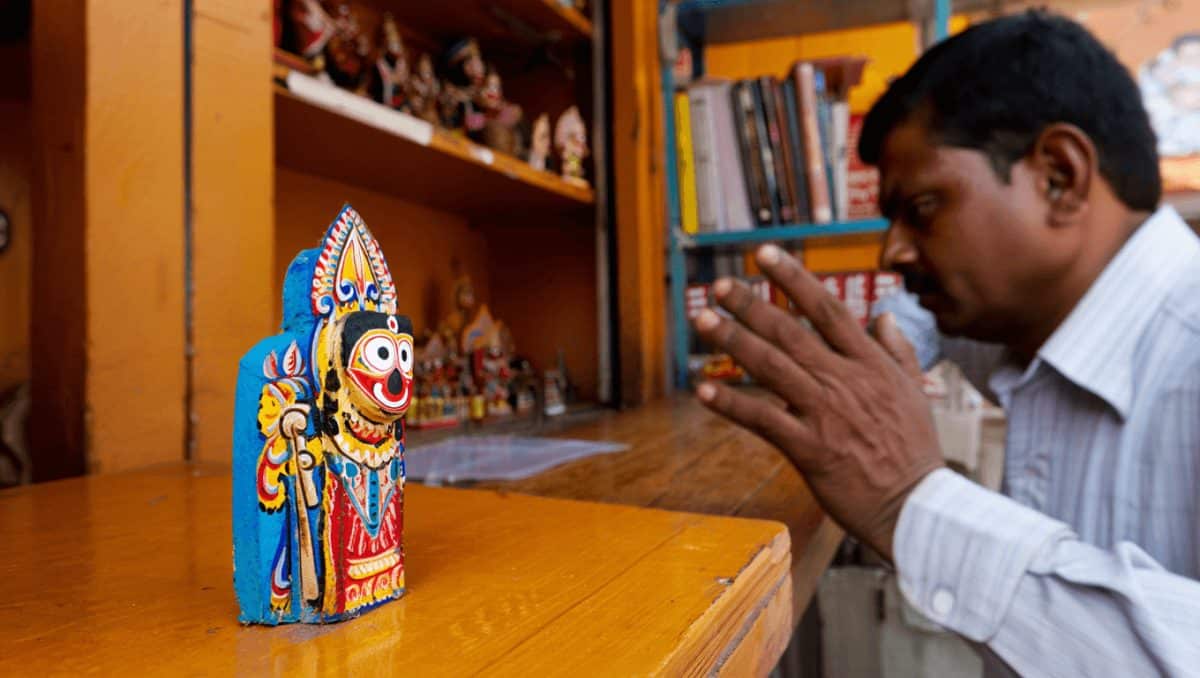
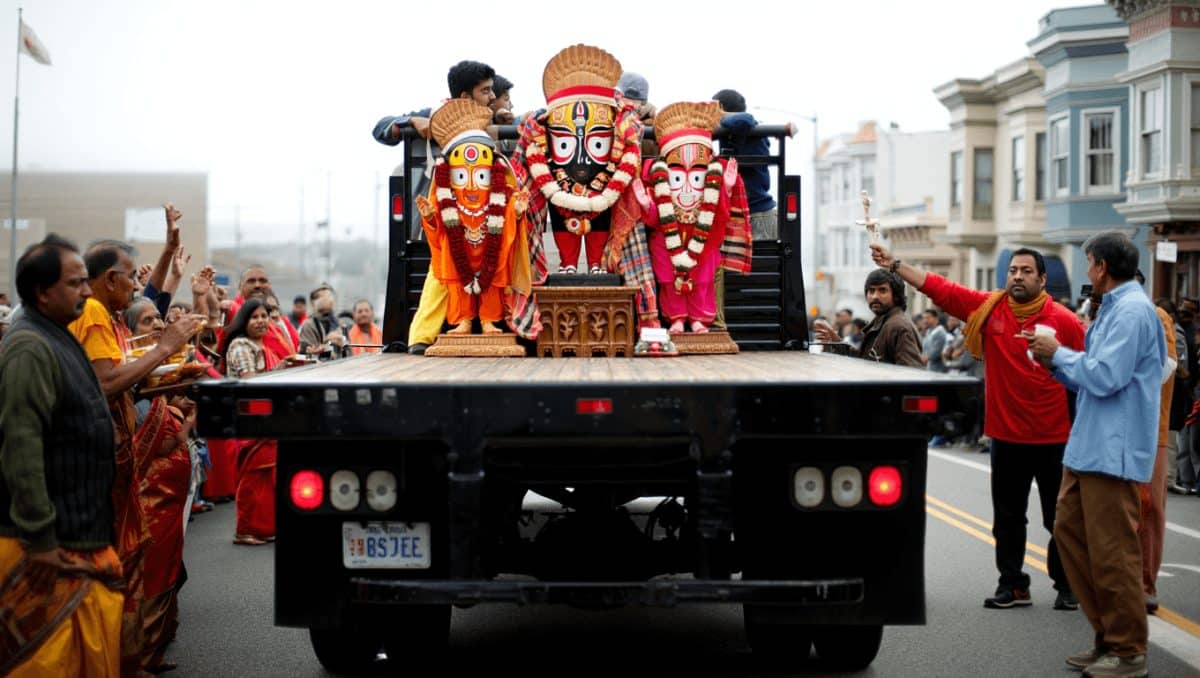
First, it is a living heritage. Rituals and recitations continue in many communities, and institutes around the world teach Vedic chanting and Sanskrit grammar. This continuity raises questions about how ancient practices adapt under modern educational systems and legal frameworks.
Second, the tradition informs contemporary debates about identity and culture. Governments, academic institutions and civil society groups increasingly reference Vedic elements when discussing curriculum, heritage protection and cultural diplomacy. Those conversations affect policy and funding for museums, archives and language programs.
Third, several ideas from Vedic-era texts have been reinterpreted in modern contexts—ethical frameworks, ecological metaphors and approaches to mind and body that intersect with medicine, conservation and wellbeing industries. That reinterpretation can be constructive, but it also invites scrutiny over historical accuracy and appropriation.
Transmission and preservation challenges
Preserving the tradition faces practical hurdles. Manuscripts are fragile; the oral method depends on teacher-student chains that require time and resources. At the same time, digital initiatives aim to scan, transcribe and make texts searchable—creating both opportunities and debates about access, control and context.
For example, converting oral intonation into searchable text can strip performance features essential to meaning. Likewise, digitization projects raise questions about who decides which versions represent the “authentic” record.
What experts watch next
Scholars and practitioners are focused on three overlapping areas: improved critical editions that combine manuscript evidence and oral tradition, community-driven archives that respect custodial rights, and pedagogies that make classical learning accessible without eroding rigorous transmission standards. Progress in any of these domains will shape how the Vedic tradition is understood and practiced globally.
For readers curious to explore further, the Vedic tradition rewards both short-form encounters—such as listening to chants or reading translated excerpts—and deeper study involving historical context, language and ritual practice. How it is taught, preserved and discussed today will determine which aspects endure into the next century.