When a student in the traditional Hindu ashrama system completed his studies and rites of passage, a visible shift in dress and status signalled his move toward household life — a transformation that still shapes how many communities mark marriage today. While the formal gurukulavasa and ritual return, samavartana, are rare now, their legacy survives in dress codes, ceremonial gestures and debates about who pays for a wedding.
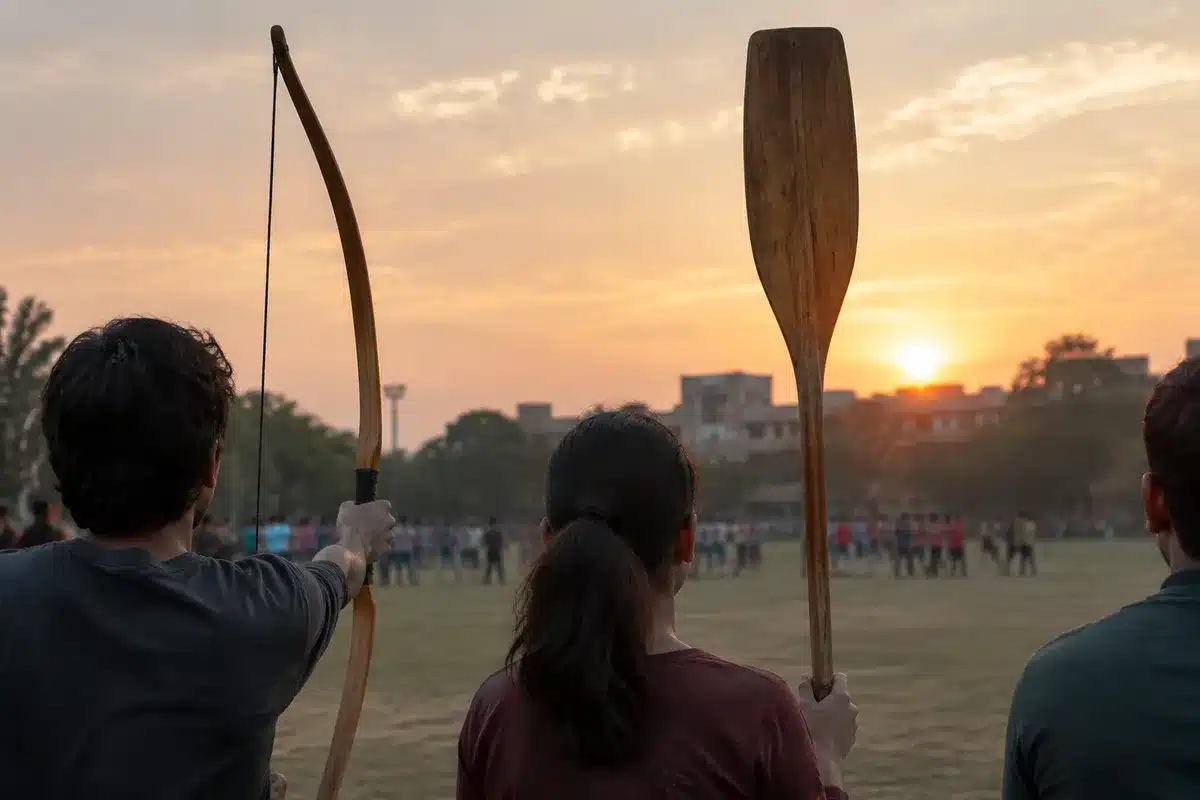
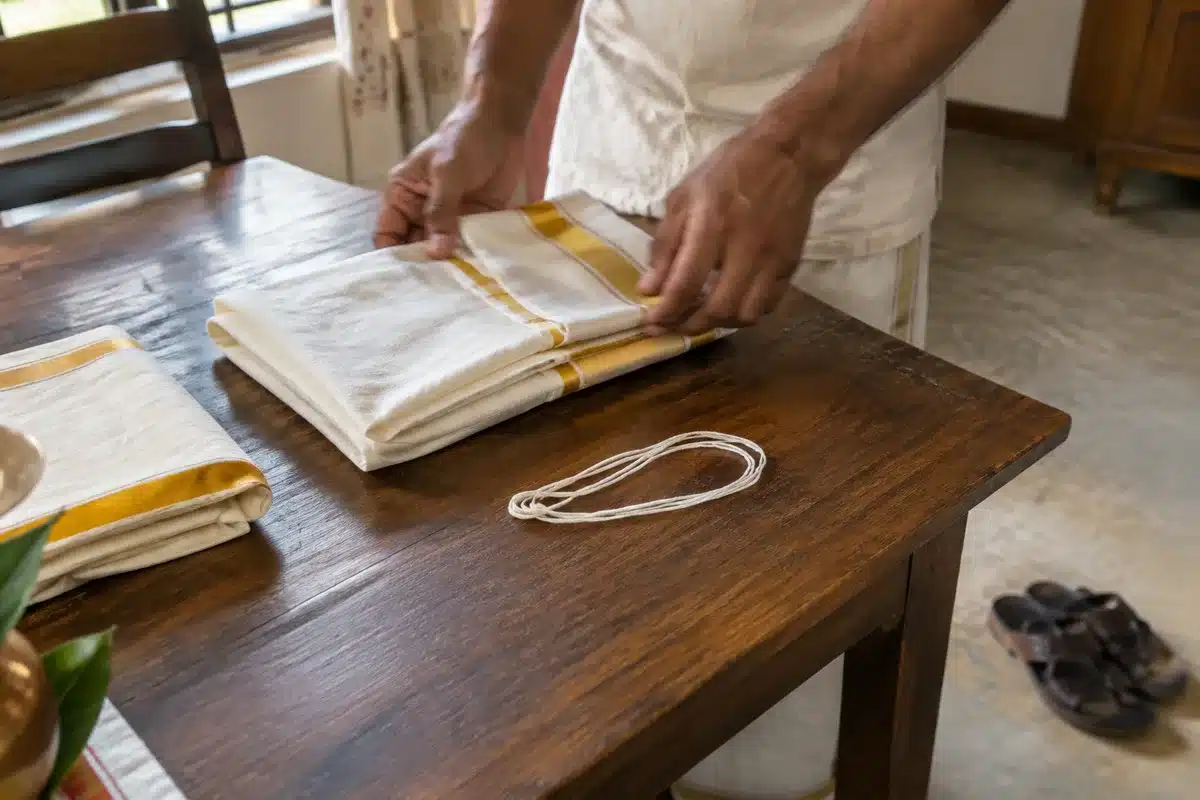
Classical sources describe a clear sequence: after finishing his student-bachelorhood, a young man discarded the accoutrements of celibacy — the staff, antelope skin and girdle — and adopted a more settled appearance. He put on the pancakaccha (a style of tucked cloth) and an upper garment, and took to wearing the double sacred thread that identified him as eligible for householder duties.
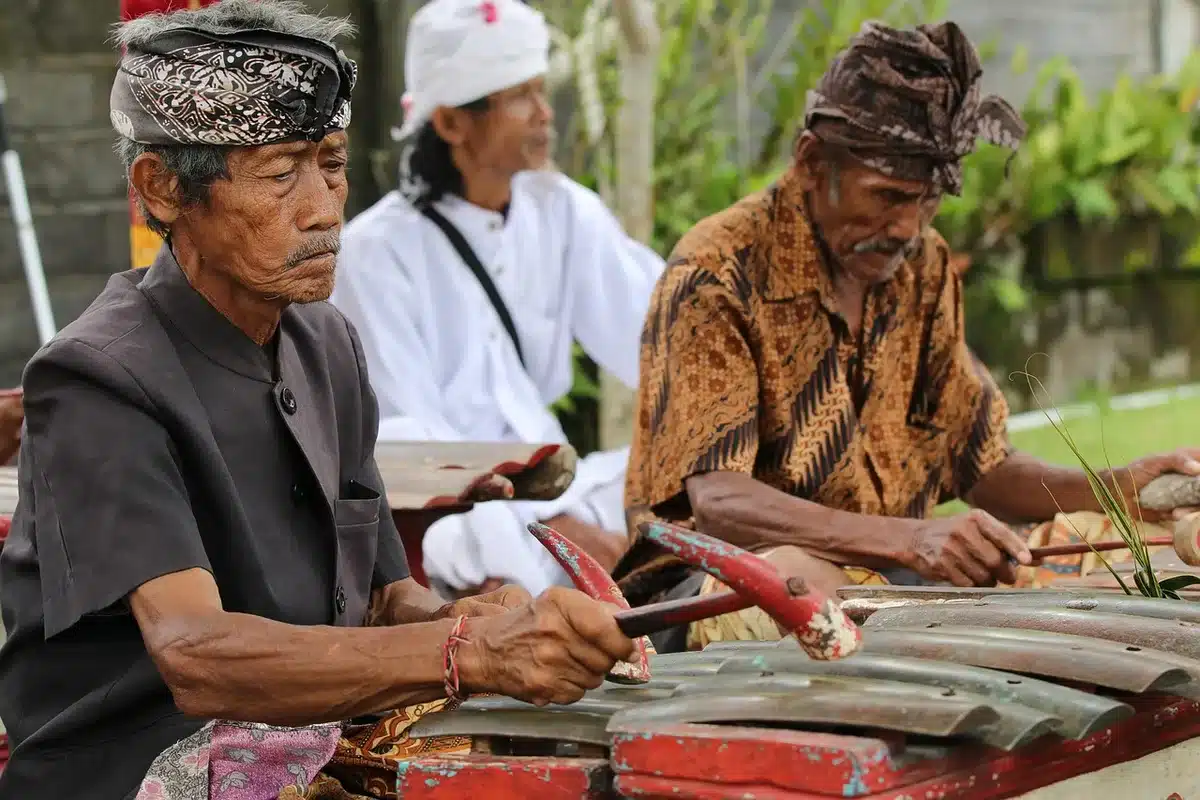
Restrictions that governed a brahmacharya’s appearance were lifted at this point. Where a celibate student once avoided footwear, jewellery and fragrant pastes, the newly returned man could wear sandals, use lampblack to darken his eyes and present himself with an umbrella — outward signs meant to convey readiness for family life and social responsibility.
Somvati amavasya 2026: when it falls and quick rituals to mark it
Kashmir 30 years on: displaced communities recall the homes they left
- Marks of transition: changing garments (double sacred thread, pancakaccha), removal of student regalia, permission to wear accessories.
- Social recognition: the groom traditionally petitioned a ruler or representative for gifts; texts imply the groom’s side bears major wedding costs.
- Core marriage rites: panigrahana (taking the bride’s hand), mangalyadharana (tying the mangalasutra), and saptapadi (seven steps around the fire).
- Religious obligations: marriage enabled the performance of sacrifices and the birth of sons, linked classically to repaying three debts — to sages, to the gods, and to one’s ancestors.
Those classical obligations still inform how ritual scholars and many families view marriage. The three “debts” are described in traditional literature as: repayment to teachers through learning, to the gods through household rites and sacrifices, and to ancestors by ensuring progeny and performing funerary offerings. Without entering household life, the texts argue, two of those obligations remain unfulfilled — which explains the importance placed on marriage and offspring in that framework.
There are exceptions. Individuals who remain lifelong celibates — the naisthika brahmacharin — or who renounce the world as sannyasins, are treated differently in the texts; their spiritual standing is said to allow different means of ancestral atonement. In practice, however, such life-paths have always been relatively rare compared with the expectation that most men pass from studenthood into family life.
Modern weddings show both continuity and change. Many communities no longer observe rites such as gurukulavasa, and pilgrimages like the historic trip to the Ganga are infrequent. At the same time, new elements have been added to ceremonies — sometimes as cultural embellishment, sometimes as a source of social pressure. Practices like the staged “kasiyatra” (a ceremonial journey to Kasi), or public displays intended to solicit gifts from the bride’s family, illustrate how ritual can be repurposed in different social climates.
Language and gender roles within the household reveal another layer of continuity. In South Indian languages, the vocabulary still preserves the idea that a household is managed and owned by the wife. Tamil terms such as grhini (householder-wife) and illaratan (the man who performs the householder’s duties) reflect a longstanding cultural emphasis on the wife’s domestic authority, even as public and legal power historically rested with men.
- Tamil terms and meanings:
- Illaram / Grhastha — the household or householder’s stage of life
- Grhini — the woman who manages the household
- Illaratan — the husband who carries out ritual duties in the house
- Manaivi / Illattarasi — honorifics for the wife emphasizing her role within the home
For readers today, these traditions matter because they shape expectations around marriage, gender roles and family responsibility — and because they continue to evolve under modern pressures: urbanisation, changing dress codes (jeans and trousers are now common where dhotis once dominated), commercialisation of ceremonies, and legal shifts affecting inheritance and familial duties.
Understanding the historical framework — the rituals, the social obligations, and the language that framed household life — helps explain why certain wedding practices persist, why some are contested, and how communities negotiate continuity with change. These rituals are not static relics; they are active cultural scripts that adapt as societies do.