Show summary Hide summary
A new book by veteran journalist PT Bopanna brings fresh scientific evidence into the long-running debate over the origins of the Kodava people of Kodagu, Karnataka. Drawing on the first broad genetic survey of the community, the work reframes questions of ancestry and identity that have circulated in academic and local discussions for decades.
Published by Bengaluru-based Prism Books, the volume combines original reporting with contributions from specialists to explain what DNA data now reveal about the Kodavas. The author also uses the book to situate these findings in a wider narrative of Coorg’s history, culture and notable figures, offering readers a compact reference to the region’s past and present.
Genomics at the center of the conversation
At the forefront of the scientific component is Professor Buttiyanda Kuttapa Thelma (BK Thelma), a Coorg-born geneticist whose laboratory work has been central to mapping population relationships across India. Her team, collaborating with scholars at the University of Delhi South Campus and the Centre for Cellular and Molecular Biology (CCMB), Hyderabad, analysed genomic patterns from Kodava participants to chart genetic distances and affinities with surrounding groups.
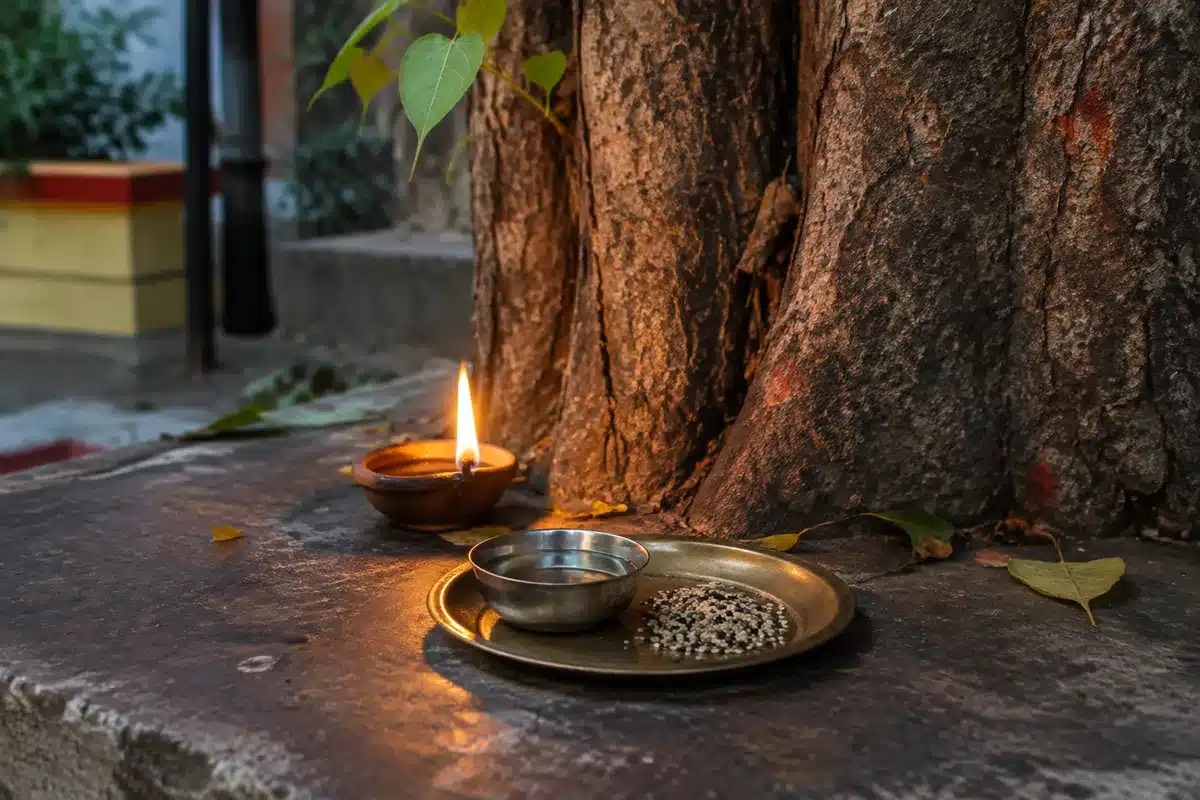
Somvati amavasya 2026: when it falls and quick rituals to mark it
Kashmir 30 years on: displaced communities recall the homes they left
The genetic analysis did not produce a single, simple origin story. Instead, researchers identify multiple, genetically distinguishable clusters within the Kodava population—groups that bear the marks of historical isolation, random genetic drift and episodes of mixing with neighboring populations. Those patterns make the community an informative case for reconstructing demographic events in southern India.
Culture and history beyond the genome
Not every chapter focuses on DNA. Sociologist Neravanda Veena Poonacha argues that Kodava identity cannot be reduced to genetic markers or colonial-era racial models. Her essay traces how trade, military encounters, migrations and cultural exchange have repeatedly reshaped the group’s language, rituals and social institutions, producing an identity that is distinct yet deeply entangled with wider South Indian currents.
That juxtaposition—scientific data beside social history—anchors the book’s central claim: genetics can illuminate parts of the past, but it does not replace the interpretive work of historians, anthropologists and the community itself.
- What the study adds: Evidence for three main genetic subgroups within the Kodava population, reflecting varied historical experiences.
- Lead researchers: BK Thelma and collaborators from University of Delhi South Campus and CCMB, Hyderabad.
- Social context: A chapter by Neravanda Veena Poonacha emphasizes cultural processes—trade, war, migration—in shaping identity.
- Author and publisher: PT Bopanna; Prism Books (Bengaluru).
- Availability: Paperback edition listed on online retail platforms.
The book’s release matters now because debates about regional histories and community identities are increasingly shaped by new scientific data. For scholars, the Kodava study provides a more granular picture of recent population history in the Western Ghats; for community members and local historians, it offers evidence that complements oral memories and archival sources.
Beyond its immediate findings, the work points to further research needs: larger sample sizes, comparative studies across neighbouring groups, and deeper integration of genetic results with linguistic, archaeological and documentary records. Approached responsibly, such multidisciplinary work can sharpen understanding without reducing people to their genomes.
For readers seeking a concise synthesis of contemporary scholarship and local narrative on Coorg, the book positions itself as a timely reference—one that foregrounds both scientific discovery and the continuing importance of social interpretation.