Show summary Hide summary
More than 30 years after a wave of violence emptied much of the Kashmir Valley of its indigenous Hindu community, thousands of Kashmiri Pandits remain displaced, living in overcrowded transit camps and scattered cities. Recent moves to reopen pilgrimage routes across the Line of Control have stirred cautious optimism, but the practical and political barriers to safe return — and to restoring a shattered cultural heritage — are still substantial.
A childhood between gardens and temples
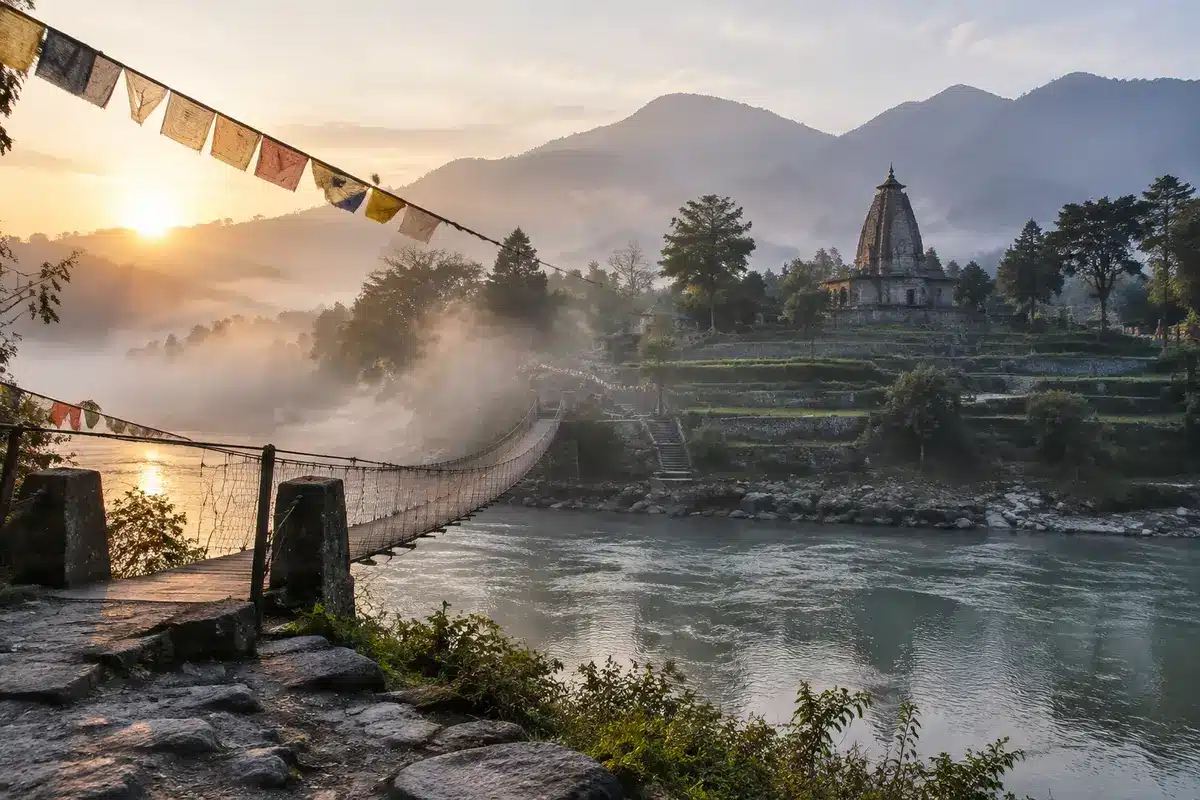
Shivani Raina remembers growing up in Srinagar as a series of seasons framed by mountains and rivers — summers of clear skies, springs of blossom, autumns of color and winters with snow. Her family belonged to the Kashmiri Pandit community, and religion infused everyday life: visits to ancient shrines, ritual baths in holy springs and the summer sight of pilgrims on their way to Amarnath.
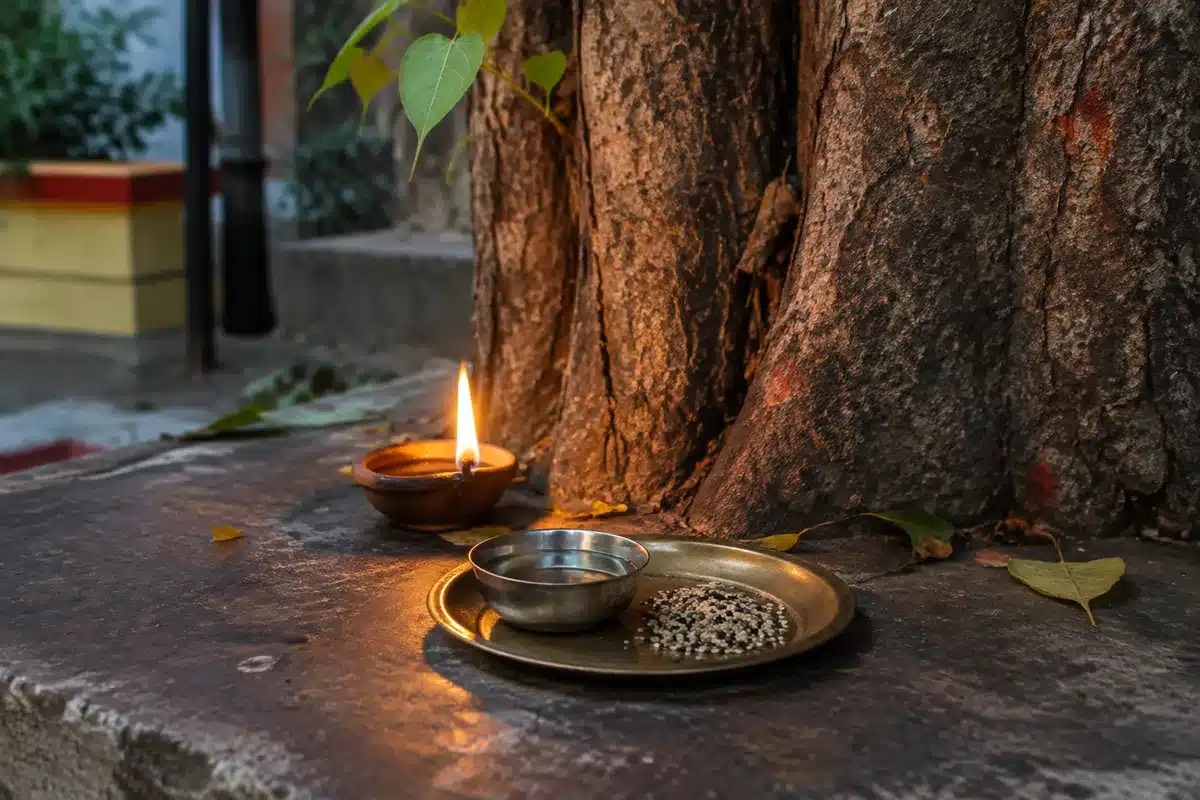
Somvati amavasya 2026: when it falls and quick rituals to mark it
Kashmir 30 years on: displaced communities recall the homes they left
Religious and social life in the Valley included Sufi shrines and shared spaces, and Raina recalls feeling safe despite being a member of a religious minority. That sense of security ended when violence and targeted intimidation escalated in the late 1980s.
Threats, flight and a broken promise of return
From 1989, an armed insurgency and its backers mounted an organized campaign that targeted minority communities. Families received threats demanding conversion or expulsion; killings, sexual violence and attacks on places of worship followed. Within a short period many Pandit households felt they had no realistic choice but to leave.
- Late 1989–1991: Waves of violence and intimidation culminated in mass departures from the Valley.
- Jan. 19, 1990: A watershed moment for the community, the day many remember as the start of the mass exodus.
- Scale of displacement: Estimates put the number of displaced Pandits in the hundreds of thousands, with most leaving for Jammu, Delhi and other parts of India.
Raina’s family fled to Jammu when she was 14. Like many others, they arrived with few possessions and were forced into cramped transit camps. Over decades, successive administrations have promised rehabilitation and resettlement, but many displaced families still live in temporary quarters or far from their ancestral homes.
Kashmir’s long intellectual and religious legacy
Long before the recent decades of strife, the Valley was an important center of Sanskrit scholarship, philosophy and religious learning. Figures associated with Kashmir have had outsized influence on Indian language, logic and spiritual thought.
Scholars from the region — from early grammarians to commentators on yoga and Advaita philosophers — helped shape texts and traditions that traveled far beyond the Valley’s borders. For the Pandit community, temples, sacred springs and caves were not only places of worship but repositories of a continuous cultural memory.
Today, many of those sites are neglected, damaged or lie across political boundaries that make access difficult. Even when steps are taken toward reopening routes, conservation and security remain unresolved problems.
Recent gestures, lingering obstacles
In the last year, officials across the Line of Control have signaled a willingness to permit pilgrim access to some historic sites, including proposals to establish a corridor to Sharda Peeth. For displaced Pandits and their descendants this has symbolic and emotional value: the chance to see ancestral temples and to perform rites that have been interrupted for decades.
But practical challenges persist. Return depends on secure conditions in the Valley, verified guarantees for minority safety, and long-term investment in housing, livelihoods and damaged cultural sites. Partial corridors or short-term pilgrim visits do not substitute for a comprehensive plan that addresses restitution, local reconciliation and heritage preservation.
- Human impact: Years of displacement have eroded livelihoods, education and social networks for many families.
- Cultural stakes: Ritual knowledge, festivals and sacred places risk being lost if access and conservation are not restored.
- Policy needs: Durable solutions require security guarantees, transparent negotiations, and resources for resettlement and heritage repair.
Why this matters now
The question of return is not only personal for displaced families; it is political and cultural. Allowing Pandits safe access to the Valley and to key pilgrimage sites would address long-standing grievances, help preserve a distinctive regional tradition, and test whether cross-border initiatives can build confidence rather than only symbolic optics.
For descendants born outside Kashmir, visiting ancestral shrines is more than nostalgia — it is part of reclaiming identity. For the broader region, integrating historical justice with forward-looking security and development can reduce tensions and open space for plural civic life.
Progress will be incremental and uneven. But without a clear, sustained commitment from all stakeholders — local authorities, national governments and international heritage bodies — the next generation may inherit displacement as a permanent condition rather than a chapter that was closed and repaired.