
Show summary Hide summary
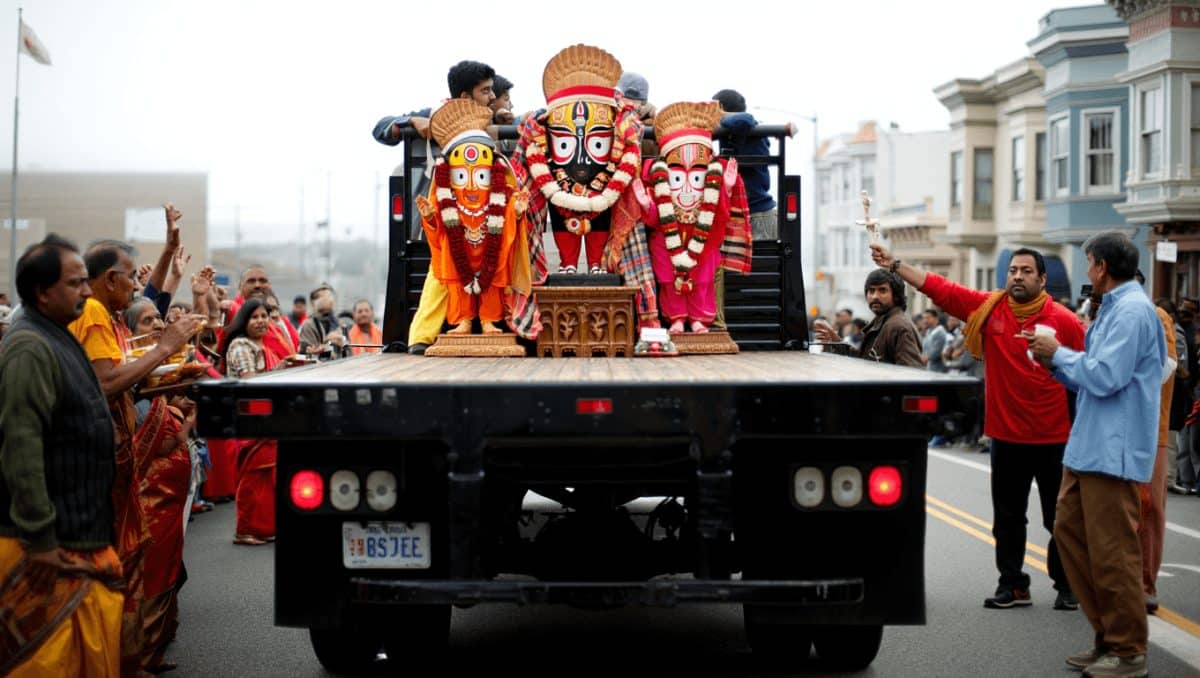
Navaratri and Dussehra are more than seasonal pageantry for many Hindus in the United States — they are opportunities to keep traditions alive, negotiate identity in a new country, and press for official recognition of minority holidays. For Kashmiri Pandit immigrant Shivani Raina, the festivals have shifted from distant memories to intentional acts of cultural transmission, with community groups playing a growing role in securing visibility and protections.
What the autumn festivals mean now
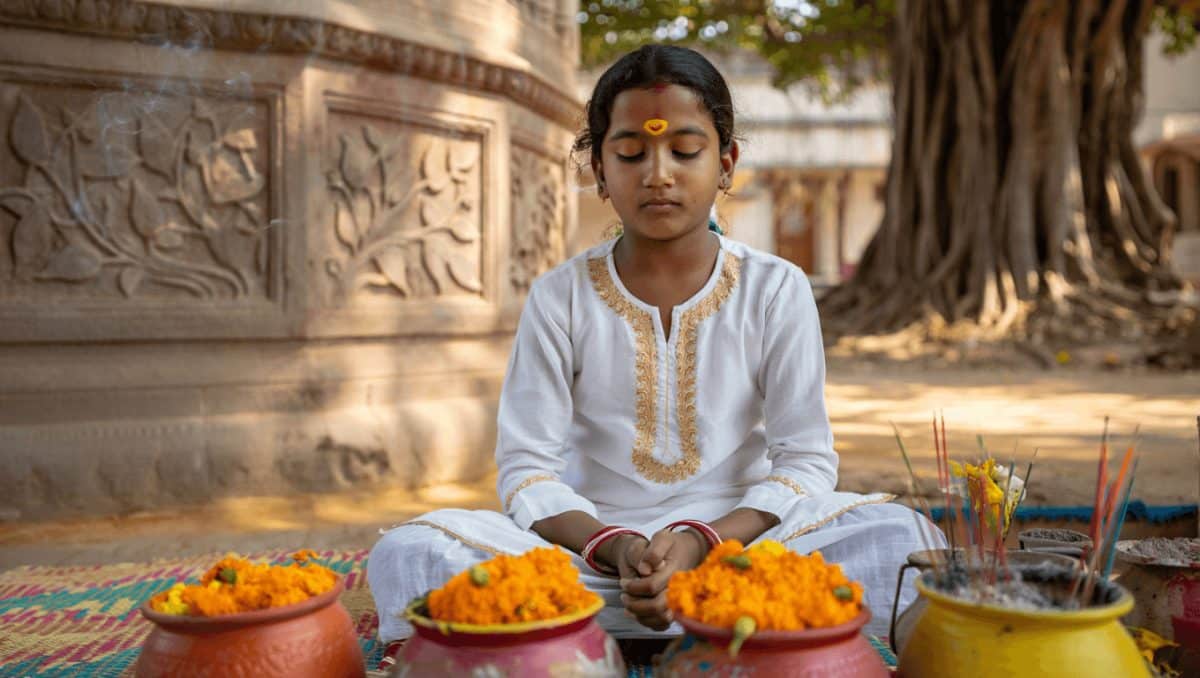
In Hindu thought, the creative, sustaining force of the universe often appears in both masculine and feminine forms. That energy — known to devotees as Shakti — is celebrated in a variety of goddess figures and is central to the nine-night observance of Navaratri. The cycle traditionally culminates in a tenth-day celebration, Dussehra or Vijayadashami, marking the triumph of virtue over wrongdoing.
Shah Rukh Khan used the name Abinav to ease in-law worries: Gauri adopted Ayesha during nikaah
Javed Akhtar hails Hindu festivals as cultural glue: throwback of atheist celebrating resurfaces
Communities emphasize different episodes: some focus on Goddess Durga’s victory over Mahishasura, others on Rama’s rescue of Sita from Ravana — the latter seen as a story in which Sita’s devotion helps drive the saving act. Across regions and diasporas, the core message remains the same: the persistence of light against moral darkness.
An immigrant’s lived memories
Shivani Raina, who grew up in Srinagar and moved to the United States in 2002, says the climate of celebration in Kashmir differs from that in other Indian states. She recalls Dussehra more vividly than Navaratri; the image that stuck with her was the long-running construction and eventual burning of Ravana effigies outside an exhibition hall — a communal symbol of good overcoming evil.
That early impression has evolved. After studying in Gujarat and now living within a diverse Hindu diaspora in America, she takes part in events such as garba, the energetic folk dance associated with Navaratri, and describes herself as increasingly “pan-Indian” in her observance.
“Festivals mean culture,” she says. “As parents in a foreign country, we tend to celebrate more deliberately so our children learn what we value.”
Practical strains of celebration in the U.S.
Celebrating abroad brings logistical and social challenges. Raina points to school schedules and peer pressure: when festivals fall on weekdays, children can feel singled out if they miss assignments or request excused absences. She remembers asking teachers to excuse her son’s homework during Diwali, only to face his discomfort at appearing different from classmates.
For many families, that reluctance to diverge underscores a broader problem — lack of institutional awareness about Hindu holidays and practices.
- Recognition gaps: Not all school districts or workplaces account for Hindu observances, making participation harder for families.
- Cultural transmission: Parents often feel they must amplify celebrations to ensure their children retain religious and cultural knowledge.
- Practical resources: Accessible guides for rituals can help newcomers observe festivals with confidence.
Community advocacy and changing norms
Raina credits organizations that advocate for Hindu Americans with helping to raise awareness and secure practical accommodations. She singles out the role of the Hindu American Foundation (HAF) in educating officials and the public, pointing to recent wins such as broader recognition of Diwali — noted in school calendars, local proclamations, and even White House events — and what she describes as successful efforts around California’s recently vetoed bill, SB403, which she says could have had negative implications for Hindu communities had it passed.
She also praises accessible online resources that demystify rituals. When she wanted to mark Ganesh Chaturthi in a way true to her evolving practice, she found concise puja outlines and community guidance that made the observance approachable and shareable among friends.
“It matters that these groups exist,” she says. “They help correct misconceptions and give minority communities a louder, more organized voice.”
Key takeaways
- Festivals like Navaratri and Dussehra carry both spiritual meaning and practical weight for immigrants trying to preserve culture.
- Local recognition — from schools to state governments — directly affects families’ ability to observe holidays without penalty or stigma.
- Community organizations and clear online resources reduce barriers for observance and help counter misinformation.
For Raina and many others, the seasonal rituals are not static relics but living practices that adapt as communities disperse. The enduring image is one of balance: the feminine force of Shakti as a cultural and spiritual light, renewed each autumn through community gatherings, dance, and the conscious passing of tradition to the next generation.