Show summary Hide summary
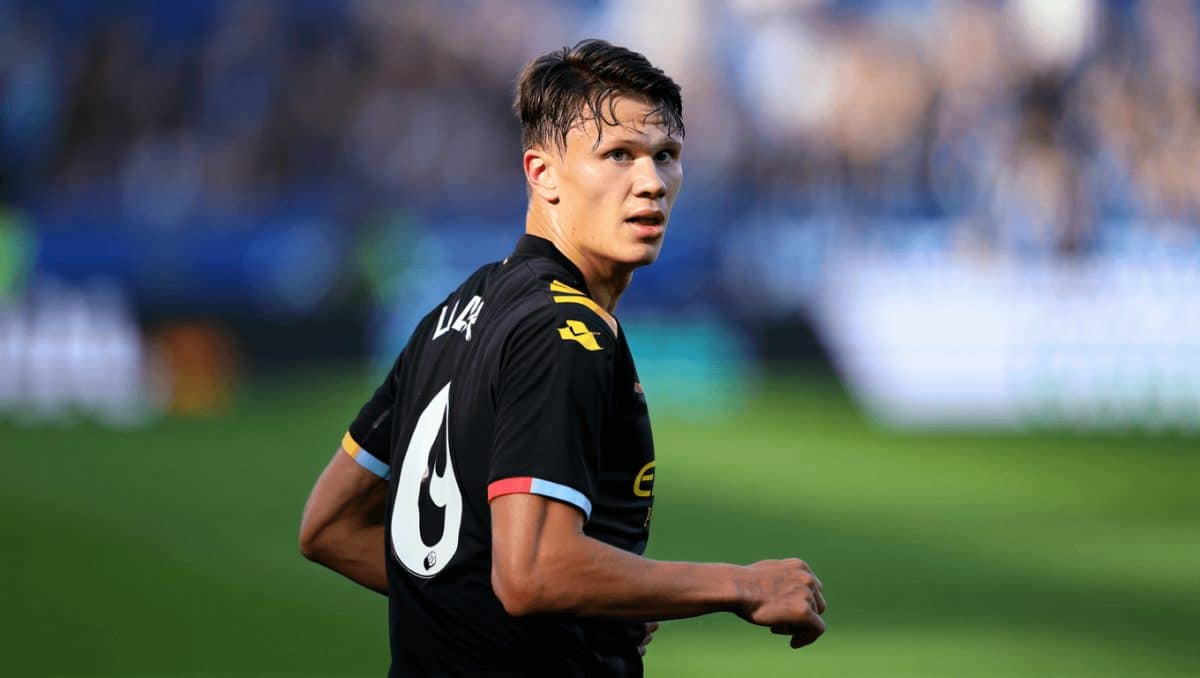
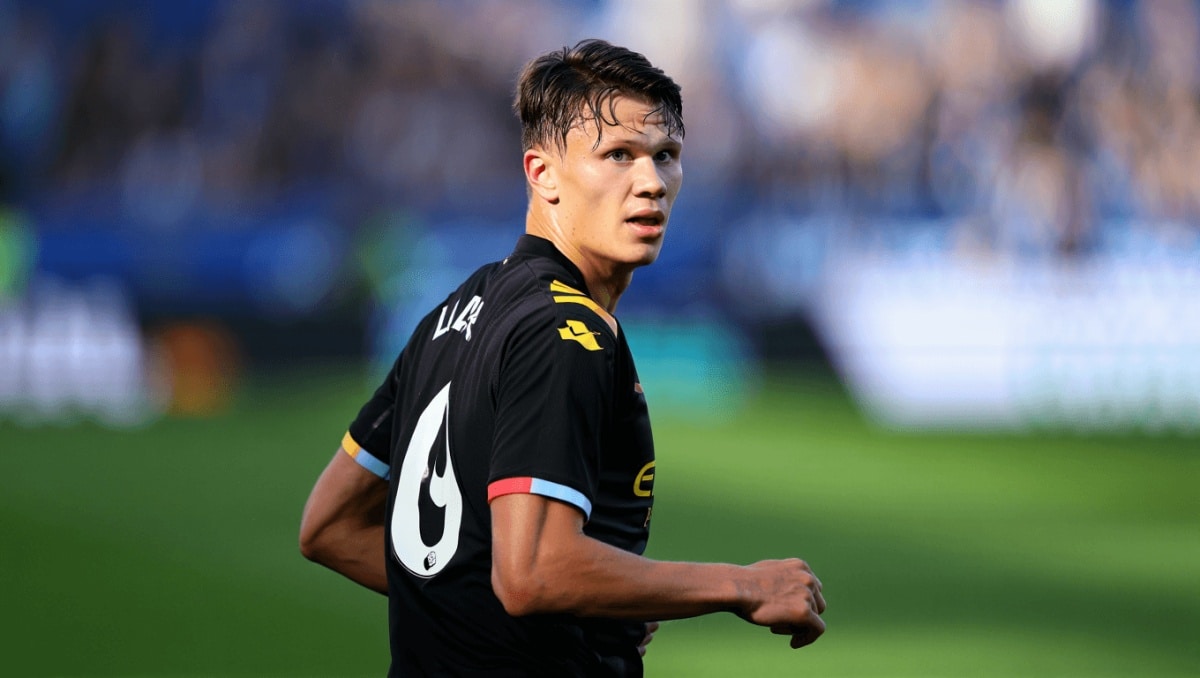
Erling Haaland’s scoring streak has made him one of football’s most talked-about figures — and that attention extends beyond goals to the story behind the striker. As Norway prepare for their next international campaign, questions about his origins, nationality and private beliefs have resurfaced, because those details shape how fans and nations claim their stars.
Where he came from
Erling Haaland was born in Leeds on 21 July 2000 while his father, Alf-Inge Haaland, was playing in the English top flight. The family returned to Bryne in southwestern Norway when Erling was small, and it was there that he grew up, learned Norwegian and developed as a youth player.
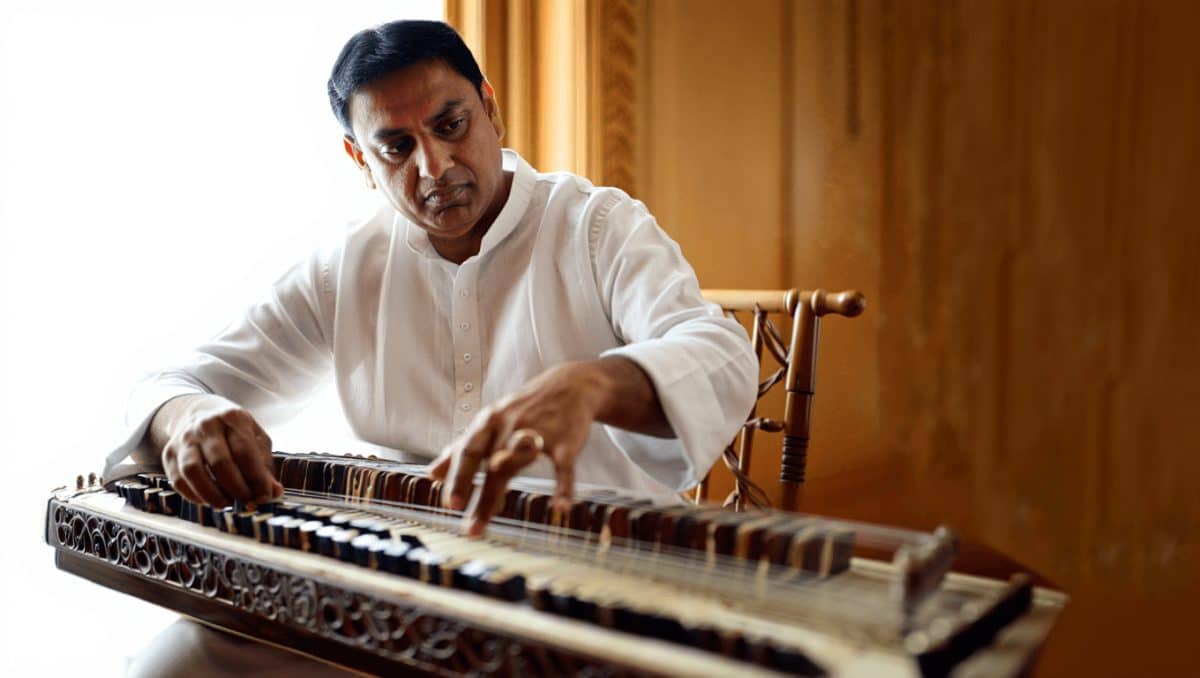
Tarun Bhattacharya: santoor maestro calls music India’s chief cultural envoy
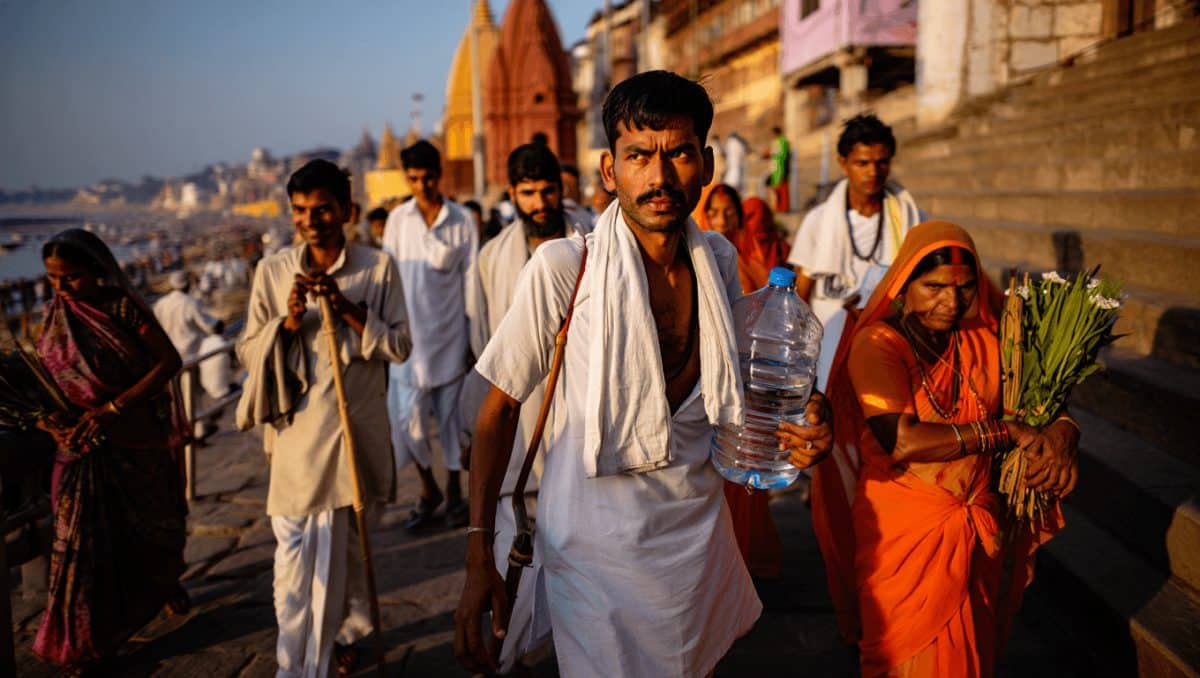
Kashi to Kedarnath costs revealed: how much a Sawan pilgrimage will set you back
That mix — born in England, raised in Norway — helps explain the interest. His upbringing in Bryne laid the groundwork for a career that now unfolds at the highest club level and on the international stage.
Nationality and international choice
Because he was born in England, Haaland is eligible for a British passport, but he holds Norwegian citizenship and has represented Norway at every senior level. He could have explored playing for England, yet he committed to the Norwegian national team and has since become the country’s leading goalscorer, cementing his place in its football history.
Fans sometimes spot traces of his early English connection in small ways — a comment on social media once prompted Haaland to explain his accent as reflecting that British link — but his football identity has consistently been tied to Norway.
What is known about his faith
Haaland keeps his personal life, including religious beliefs, private. There is no formal statement from him or his representatives confirming a religious affiliation.
Public assumptions have varied. Growing up in Norway, a largely Protestant country, led some to assume a Christian background. Occasional social posts — including festive Christmas images — have reinforced that impression for some followers.
At the same time, Haaland has used Arabic expressions such as “Inshallah” and “Alhamdulillah” on social platforms and once shared a photo of the Sheikh Zayed Grand Mosque, which sparked online speculation in 2022 about a conversion to Islam. No authoritative evidence has emerged to substantiate those claims; using phrases from another language or posting travel photos does not, on its own, confirm a religious change.
- Full name: Erling Haaland
- Date of birth: 21 July 2000
- Birthplace: Leeds, England
- Raised: Bryne, Norway
- National team: Norway (senior level)
- Passport/eligibility: Eligible for a British passport by birth; Norwegian citizen
- Religion: Not publicly confirmed; Haaland has kept beliefs private
- Notable moment: Scored against Leeds United in 2022 and refrained from celebrating out of respect for the club
The ongoing interest in Haaland’s background illustrates how modern football stars occupy a space that blends sport, national identity and personal privacy. For supporters and journalists, his case is a reminder that birthplace, family roots and public signals do not always map neatly onto a player’s public persona or private convictions.
For now, the spotlight remains where most expect it: on his performances for Manchester City and Norway, not on definitive statements about his private life. As international fixtures approach, attention will naturally return to his goals and leadership on the pitch, even as curiosity about his origins persists off it.