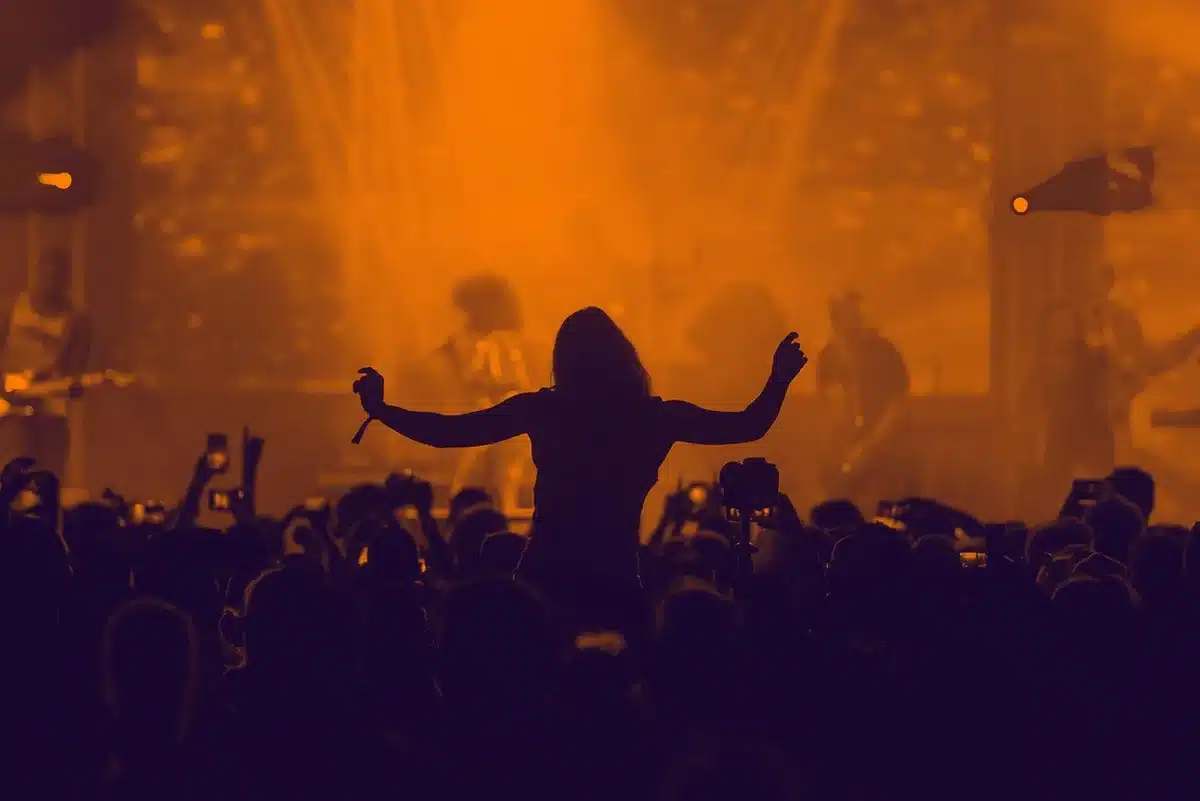
Nita Ambani will appear in a special dance segment of The Great Indian Musical: Civilization to Nation, a high-profile production that opens fresh questions about how public figures shape cultural memory. The performance, scheduled for later this month, is a personal tribute: Ambani has dedicated her piece to her father, framing the appearance as both artistic contribution and family homage.
The staged presentation is part of a larger cultural showcase that revisits India’s historical arc through music, movement and theatrical tableaux. Ambani’s involvement — notable because of her public profile as a patron of the arts — brings renewed attention to the production and to conversations about private support for large-scale cultural events.
A few immediate takeaways:
Nita Ambani unveils tribute dance at the Great Indian Musical: honors her father
Govardhan Puja 2026: Annakut draws pilgrims as parikrama and special darshans kick off
| Item | Details |
|---|---|
| Performer | Nita Ambani |
| Event | The Great Indian Musical: Civilization to Nation |
| Nature of appearance | Special dance performance, dedicated to her father |
| Date | Scheduled for late November 2026 |
Organisers say the segment will be a short, curated choreography rather than a leading role; sources close to the production describe it as a symbolic interlude designed to connect personal memory with broader national themes. That framing — a private dedication staged inside a public pageant — is significant in three ways.
First, it highlights the growing role of high-profile patrons in shaping how history and heritage are presented to mass audiences. When prominent donors or cultural figures take the stage, their personal narratives can steer programming choices and public attention.
Second, the appearance underlines the event’s mix of spectacle and storytelling. Productions that promise a sweep from ancient civilisation to modern nationhood rely on emblematic moments to tie disparate acts together; a tribute can act as one such emotional anchor.
Third, the presence of a well-known public figure inevitably magnifies media scrutiny. Coverage will likely focus not only on the artistic merits of the performance but also on the optics: who is being highlighted, why, and what values are being showcased as part of a national story.
Context matters. In recent years, large-scale cultural productions in India have increasingly featured collaborations between government bodies, private foundations and celebrity figures. That model can expand resources and audience reach, but it also shifts curatorial control toward those with the means to sponsor visibility.
Audiences attending the show — or following it through media coverage and social channels — can expect a brief, polished sequence designed to resonate emotionally rather than to advance the narrative arc on its own. For observers of cultural policy and arts funding, the event will be worth watching as a case study in contemporary cultural presentation: how personal acts of remembrance are woven into public ceremonies, and how those choices influence what a nation chooses to remember.
Tickets and broadcast arrangements for the production are being handled by the event organisers. Further details about the choreography and creative team are expected in the coming days as the show approaches.