Show summary Hide summary
This autumn festival lights up neighborhoods, markets and social calendars across South Asia and beyond—bringing together religious ritual, family reunions and seasonal commerce. As preparations begin, here’s a concise, contemporary primer on what Diwali commemorates, how communities observe it over several days, and the practical effects it has on everyday life.
Why Diwali still matters
Beyond its visual spectacle, Diwali shapes public rhythms: shops see peak sales, transit networks adjust timetables, and local authorities plan for safety and air-quality concerns. For millions, the holiday is both a spiritual marker and a civic event that influences work schedules, schooling and community activities.
Govardhan Puja 2026: Annakut draws pilgrims as parikrama and special darshans kick off
Diwali: crucial updates on travel, markets and celebrations
The narratives behind the lights
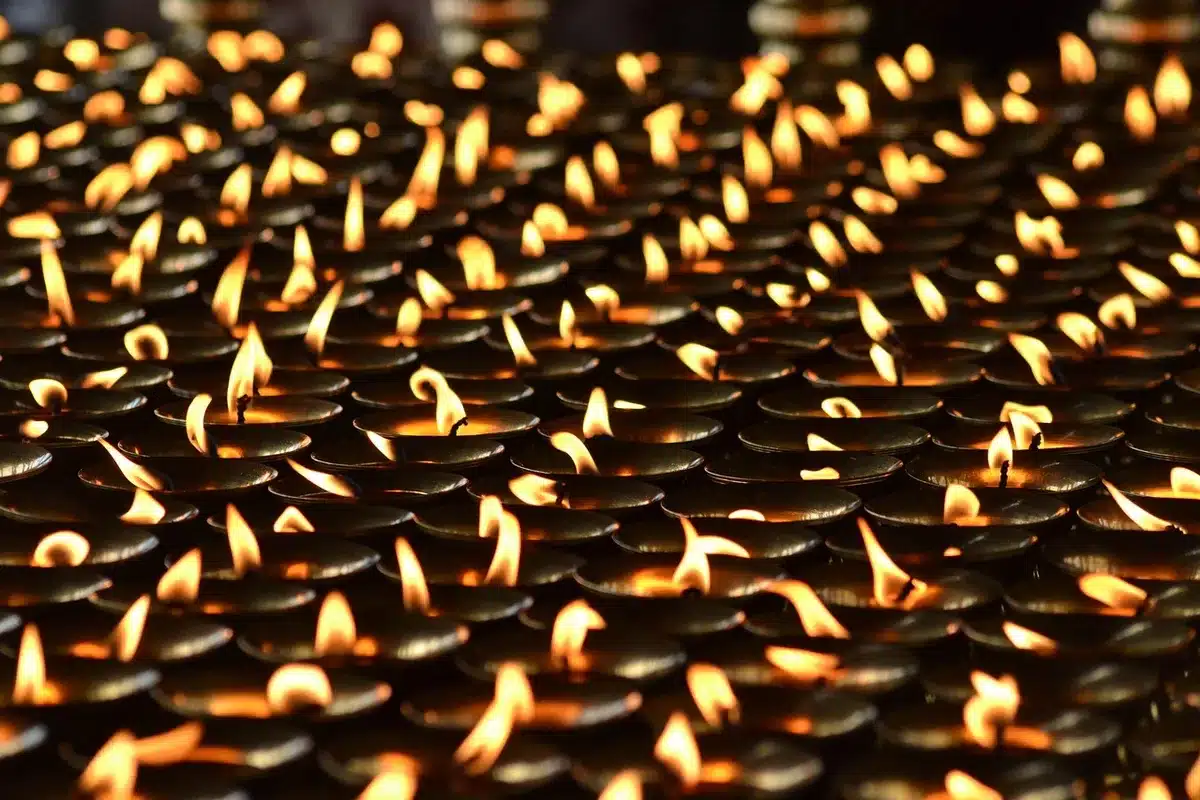
Two principal stories explain the festival’s symbolic meaning. One traces back to the epic Ramayana: the return of Prince Rama to Ayodhya after a 14‑year exile—an event celebrated as the triumph of duty and moral order. Homes were said to have been lit with lamps to welcome him, giving rise to the enduring imagery of rows of lights.
The other story comes from texts centered on Krishna, who is said to have defeated the tyrant Narakasura, liberating captives and restoring peace. Like the Rama legend, this account frames Diwali as a festival of renewal, where the victory of justice and knowledge over oppression and ignorance is remembered.
These narratives coexist and vary by region and community; both, however, emphasize light as a metaphor for hope and moral clarity.
How Diwali unfolds: a five-day cycle
The public rhythms of Diwali are often organized into five distinct days, each with its own focus and rituals. Below is a compact guide to what typically happens on each day:
- Dhanteras — Homes are cleaned and often decorated; many families make symbolic purchases and give to charity to invite prosperity associated with the goddess Lakshmi.
- Chhoti Diwali / Naraka Chaturdashi — Known as “small Diwali” in some regions; lamps are displayed and some communities recall the defeat of Narakasura.
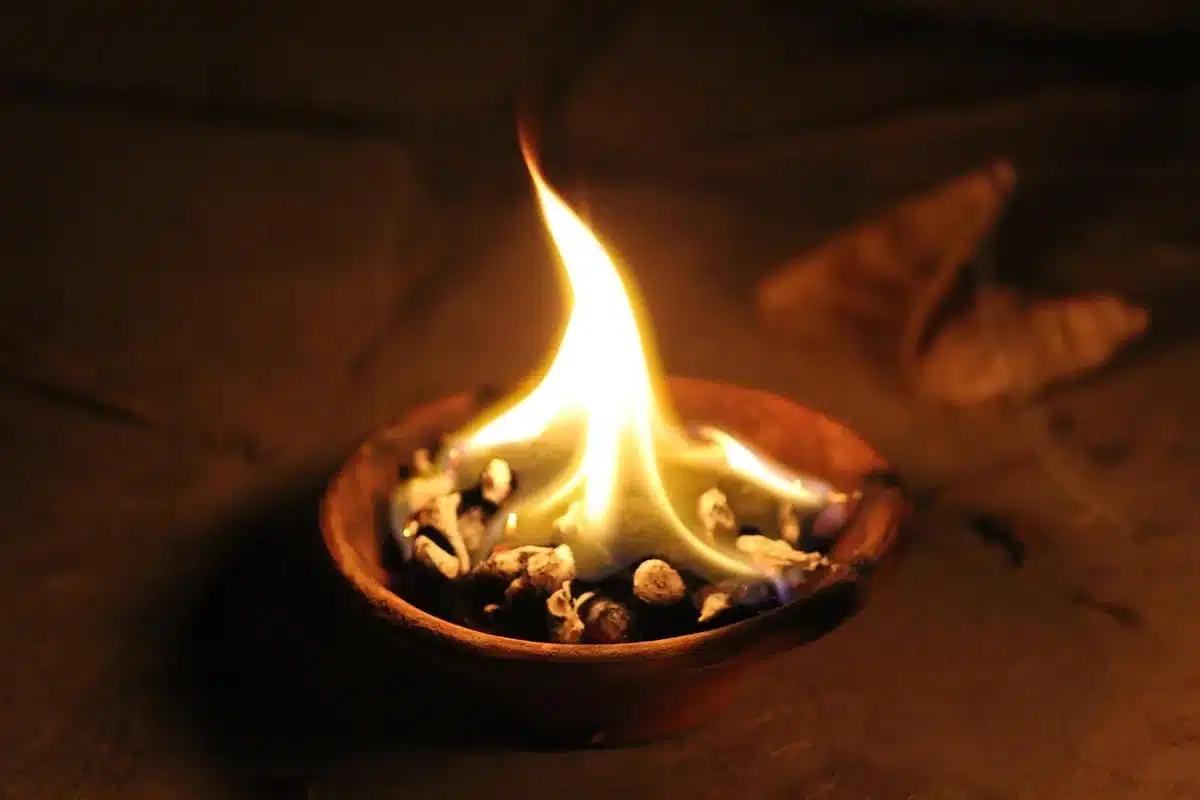
- Main Diwali — The core day of worship: families perform puja for Lakshmi and Ganesha, light oil lamps (diyas), share festive meals and often watch fireworks.
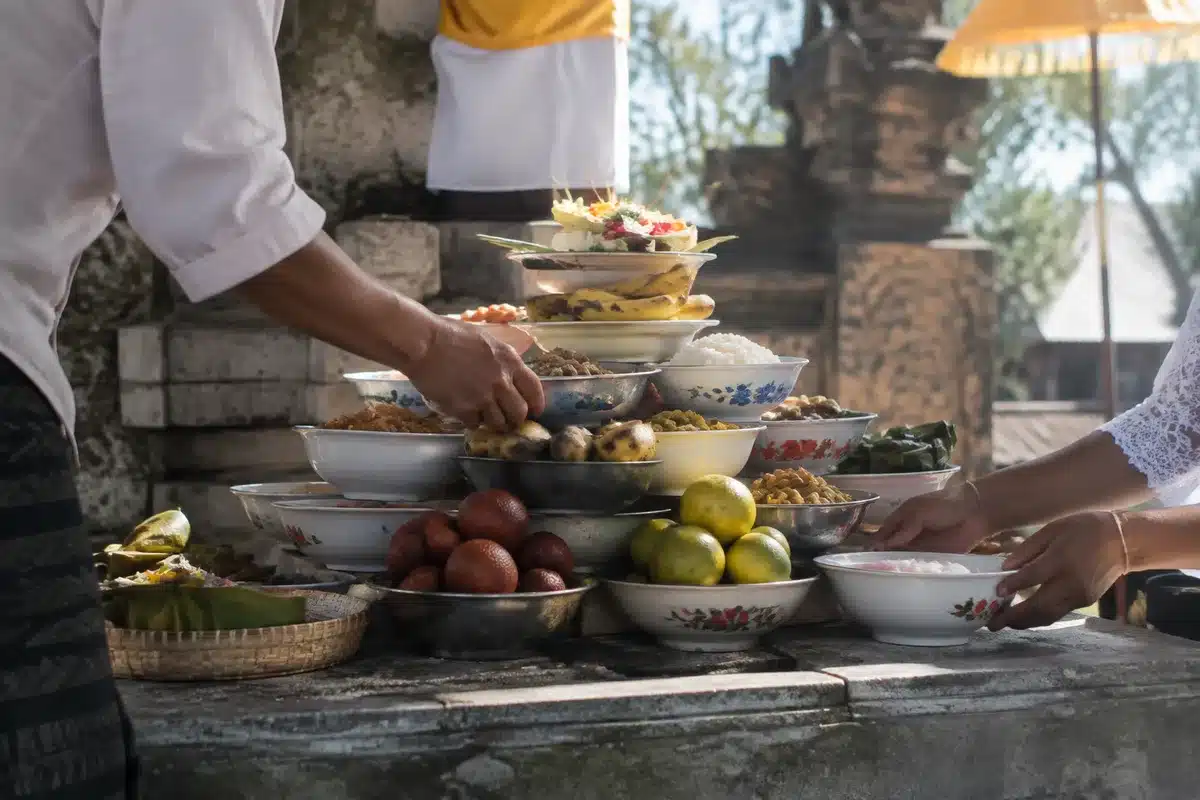
- Govardhan Puja / Annakut — Observances vary; in parts of India this day recalls Krishna’s protection of devotees and is marked by offerings of food and gratitude.
- Bhai Duj — A day emphasizing sibling bonds, when brothers and sisters exchange blessings and meals.
Who observes Diwali?
While rooted in Hindu traditions, Diwali is observed by multiple faiths for different historical reasons. Jains mark the day as the liberation of Mahavira; many Sikhs remember the release of Guru Hargobind; some Buddhists associate the festival with Emperor Ashoka’s conversion. The result is a mosaic of rituals and meanings across communities.
Local custom also shapes practice: in one town the focus might be temple puja and processions, in another it’s neighborhood lighting displays and communal feasts.
Contemporary implications
Modern Diwali has practical consequences that extend beyond devotion. Retail sales spike across categories from clothing to electronics. Urban services prepare for extra waste, noise and transient congestion. Environmental and health concerns—air pollution from fireworks and respiratory impacts—have prompted some cities to regulate displays and promote quieter, cleaner alternatives.
Families and organizers increasingly balance tradition with these civic considerations, promoting safer lighting, responsible waste management and inclusive public events.
Understanding Diwali today means seeing it as both a timeless cultural expression and a living civic phenomenon that shapes calendars, marketplaces and public policy each year.