Show summary Hide summary
Kali arrives at the edge of many modern conversations about power, mortality and renewal — not as a relic of myth but as a living symbol during annual observances and public debates about gender and spiritual practice. Understanding how she is depicted in classical sources and how communities honor her today helps explain why Kali remains a potent figure across South Asia and in diasporic cultures.
Origins as described in the scriptures
Classical Hindu texts portray Kali as a fierce manifestation of the Divine Feminine called into being when the gods could not contain destructive forces. In the Markandeya Purana’s Devi Mahatmya, multiple episodes show the goddess arising from the combined energy of the principal deities to overcome demons who threatened cosmic order.
Diwali rangoli essentials: quick beginner designs and the symbolism behind them
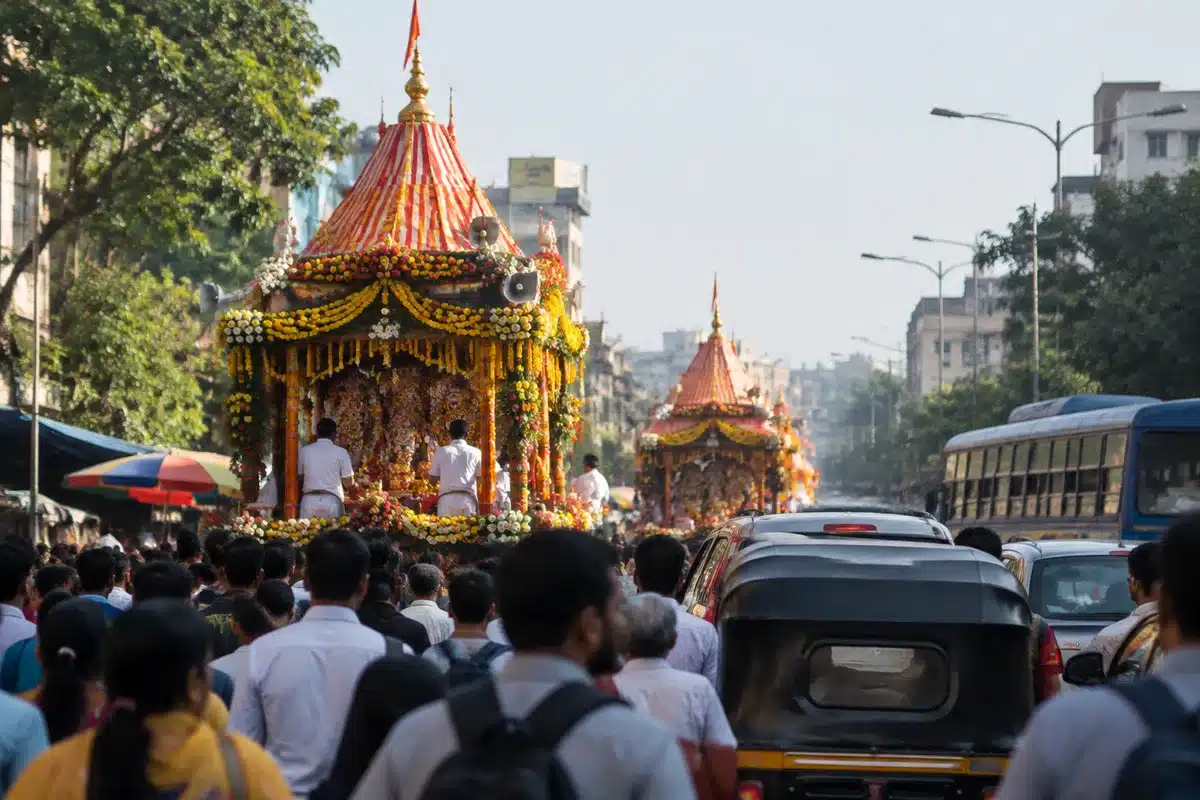
Kali festival procession snarls city traffic: commuters face major delays
The narratives differ in detail but share a pattern: a crisis prompts a surge of divine power that quickly crystallizes into a single, formidable form. That form is then clothed with weapons and attributes supplied by the gods, enabling her to confront and neutralize chaotic or violent forces.
Those origin stories are less about literal biography and more about function: Kali appears when transformation or decisive action is required. The texts present her as both destructive and restorative — an agent that dissolves corruption so life can renew itself.
What Kali represents
Kali embodies several overlapping ideas central to Hindu thought. She is associated with time and the inevitability of change, and she is invoked as a force that severs attachment and ego — a necessary step toward moksha, or liberation from repeated rebirth.
Her traditional iconography — dark complexion, a necklace of skulls, associations with cremation grounds — is intended to confront the viewer with the reality of decay and the limits of the self. Rather than celebrating violence for its own sake, many commentators interpret these images as symbolic tools for spiritual detachment.
For certain modern and historical devotional voices, including Bengali mystics such as Sri Ramakrishna, Kali’s ferocity is inseparable from tenderness: up close she becomes the compassionate mother who liberates rather than annihilates.
Arms, weapons and meaning
In the hymns, various gods contribute specific implements that become part of her martial armament. These gifts are symbolic extensions of divine powers rather than mere accoutrements.
- Trident and spear — instruments of decisive separation and protection.
- Discus and mace — symbols of sovereign authority and the power to subdue disorder.
- Conch and bell — markers of ritual presence and cosmic sound.
- Garlands and jewels — reminders that destruction and beauty coexist within the same divine process.
Festivals, regional practices and public life
Two seasonal celebrations bring Kali’s presence into public life: the nine-night autumn observance widely known as Navaratri and the multi-day Durga Puja, especially prominent in eastern India. Both draw communities into collective ritual, music, theatrical retellings and shared meals.
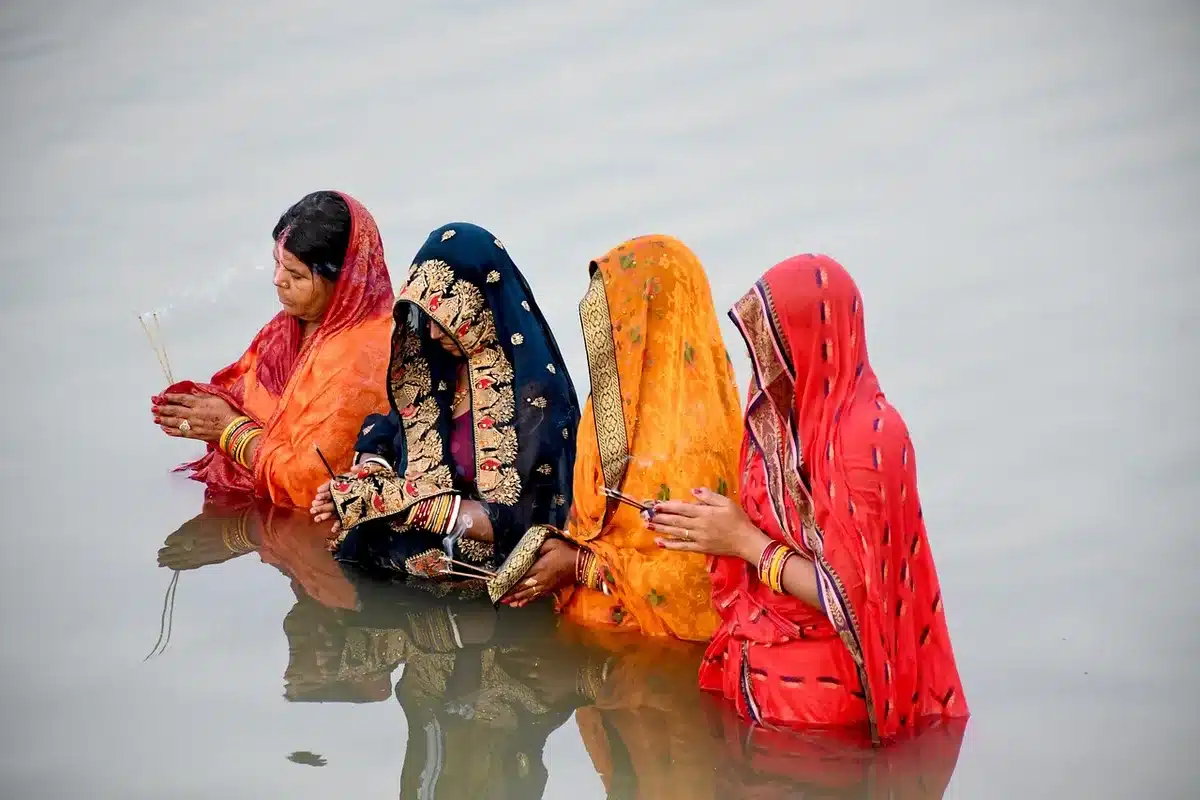
Practices differ markedly by region. In southern homes, stepped displays of dolls and household gatherings emphasize family and devotion; in western India, Navaratri often centers on dance circles; in the east, Durga Puja combines large-scale artistry, communal performance and elaborate temporary temples.
These events are both religious and cultural: they reinforce social bonds, provide a venue for artistic expression, and renew narratives about feminine power at a time of seasonal transition.
Places of pilgrimage
Across the subcontinent and beyond, a network of sacred sites is linked to the Mother Goddess tradition. The belief in multiple Shakti seats — where fragments of the goddess’s presence are said to have fallen — continues to shape pilgrimage routes and temple patronage.
For many devotees, visiting these shrines is an act of personal reckoning as well as collective memory. Pilgrimage remains an important way that ancient stories are transmitted and reinterpreted in contemporary contexts.
How the hymns are commonly understood today
Verses in the Devi Mahatmya that describe Kali’s battles are often read not only as martial episodes but as spiritual allegories. One common reading recasts her destructive gestures as corrective: the goddess destroys the harmful tendencies of beings so that they might be purified and attain a better destiny.
Paraphrased meaning often offered by modern translators: “The Mother uses force to end cruelty and sin so that even her enemies may be freed from suffering and move toward the light.” That interpretation highlights an ethic of transformative justice rather than vindictive power.
Scholars and practitioners alike caution against reading these passages in purely literal or modern political terms; instead, the emphasis is on inner transformation, ethical accountability and the paradox of mercy expressed through fierce action.
Kali’s figure continues to be relevant because she speaks to universal tensions — fear and courage, loss and renewal, the social role of women as power-bearers — while remaining rooted in a specific ritual and textual tradition.